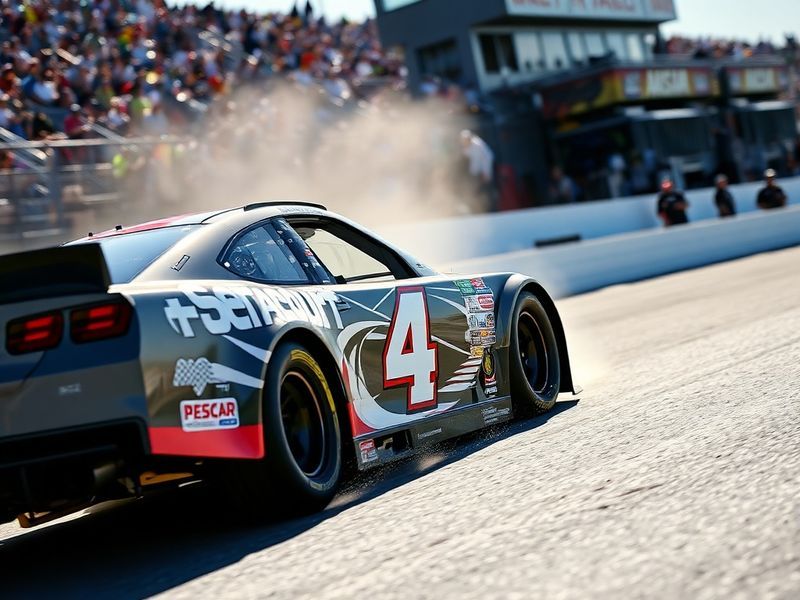
Kevin Harvick remains one of the most recognizable names in NASCAR, a driver whose career has spanned over two decades while consistently delivering top-tier performance. Now in his 40s, Harvick continues to defy expectations, proving that raw talent and adaptability can sustain excellence in a sport where physical demands are relentless.
His longevity isn’t just a testament to his skill behind the wheel but also to his ability to evolve with the sport. From his fiery rookie years to his current role as a seasoned veteran, Harvick’s journey offers a masterclass in resilience and reinvention. Beyond the track, his influence extends into team ownership and media, cementing his legacy as more than just a driver.
From Rookie Sensation to Seasoned Veteran
Harvick burst onto the NASCAR scene in 2001, replacing the legendary Dale Earnhardt after his tragic passing at the Daytona 500. The transition was seamless in some ways—Harvick won his first race just weeks later—but the pressure was immense. He didn’t just fill Earnhardt’s shoes; he carved out his own identity, blending intensity with calculated precision.
His early years were marked by a mix of aggression and innovation. Harvick wasn’t afraid to challenge competitors, earning a reputation for his relentless pursuit of victory. Yet, as the years passed, his approach matured. He became known for his consistency, a trait that set him apart in an era where longevity was increasingly rare.
By the mid-2010s, Harvick had transformed from a hotheaded contender into a strategic powerhouse. His ability to read races, adapt to changing conditions, and maximize his team’s resources became his signature. This evolution wasn’t just about surviving in NASCAR—it was about dominating it.
The 2020s: Defying Expectations
Entering his 50s, Harvick could have easily retired to a life of commentary and occasional track appearances. Instead, he doubled down, delivering some of the most competitive seasons of his career. In 2020, he won seven races and nearly claimed another championship, a feat that shocked skeptics who assumed his best days were behind him.
His success in the modern era speaks to the evolving nature of NASCAR. Harvick’s adaptability—whether adjusting to new car designs, race formats, or even technological advancements like simulation tools—has kept him relevant. It’s a reminder that talent alone isn’t enough; understanding the sport’s shifting dynamics is equally crucial.
Harvick’s 2023 season further underscored his enduring relevance. Despite facing younger, hungrier competitors, he remained a constant threat, proving that experience can outweigh raw speed. His ability to manage races, conserve tires, and execute flawless pit stops often made the difference between a top-10 finish and a victory.
Key Factors Behind Harvick’s Longevity
- Adaptability: Harvick has adjusted his driving style and racecraft to match the demands of each era, from the Gen-4 cars to the current Next-Gen models.
- Team Synergy: His partnership with Stewart-Haas Racing provided the stability and resources needed to compete at the highest level for over a decade.
- Mental Toughness: Harvick’s ability to stay focused under pressure, whether in championship battles or tight races, sets him apart from many peers.
- Work Ethic: Known for his meticulous preparation, Harvick spends countless hours studying data, refining setups, and honing his craft.
Beyond the Track: Harvick’s Expanding Influence
Harvick’s impact extends far beyond his on-track accomplishments. In 2021, he took a significant step into team ownership, forming KHI Management with his wife, DeLana. The venture signals a long-term commitment to the sport, offering young drivers a pathway to NASCAR while providing Harvick with a new challenge.
His presence in the media has also grown. As a commentator for Fox Sports, Harvick brings a driver’s perspective to broadcasts, blending insider knowledge with candid insights. His commentary isn’t just informative—it’s entertaining, adding a layer of authenticity to NASCAR’s coverage.
Harvick’s off-track ventures reflect a broader trend in NASCAR: the blurring lines between driver, team owner, and media personality. Drivers today are expected to be more than just athletes; they’re brand ambassadors, analysts, and entrepreneurs. Harvick’s ability to navigate these roles underscores his business acumen and versatility.
The Broader Implications of Harvick’s Career
Harvick’s career offers several lessons for the next generation of NASCAR drivers. His longevity proves that success in the sport isn’t solely about speed or youth—it’s about adaptability, preparation, and mental resilience. In an era where drivers often burn out or retire early, Harvick’s career is a blueprint for sustainable excellence.
His story also highlights the importance of team dynamics. Stewart-Haas Racing’s success with Harvick wasn’t accidental; it was the result of a symbiotic relationship where both driver and team pushed each other to excel. This partnership model could serve as a template for future NASCAR teams looking to build sustainable contenders.
For fans, Harvick represents a bridge between NASCAR’s past and present. His connection to Dale Earnhardt’s legacy gives him a unique place in the sport’s history, while his modern achievements keep him relevant to younger audiences. This dual role makes him a compelling figure, one who can appeal to multiple generations of racing fans.
What’s Next for Kevin Harvick?
As Harvick approaches the twilight of his driving career, the question of his future looms large. Will he retire after one more championship push, or will he continue racing in a reduced capacity, much like Jimmie Johnson did post-retirement? His involvement in KHI Management suggests he’s in no rush to leave the sport entirely.
One possibility is a gradual transition into a mentor role, guiding younger drivers through the complexities of NASCAR while leveraging his ownership stake to shape the sport’s future. His media presence will likely expand, offering fans deeper insights into the sport’s inner workings.
Regardless of the path he chooses, Harvick’s legacy is secure. He’s not just a driver who won races; he’s a symbol of perseverance, adaptability, and the enduring appeal of NASCAR. His career challenges the notion that success has an expiration date, proving that with the right mindset, greatness can be sustained for decades.
For now, Kevin Harvick remains a fixture on the track, a reminder that in NASCAR, experience isn’t just valued—it’s celebrated.
Explore more about NASCAR’s legends and rising stars on Dave’s Locker Sports or dive into in-depth analyses of racing strategies on Dave’s Locker Analysis.