Episode 5 of The Boys Season 5 delivers more than just spectacle—it sharpens the show’s razor-edge critique of power and heroism. The episode balances explosive action with quieter, character-driven moments that deepen the narrative’s complexity. As Homelander’s unraveling reaches a new pitch, the episode forces both the audience and the characters to confront uncomfortable truths about what it means to be a hero—or a villain.
The episode opens with a chilling flashback to Homelander’s childhood, revealing the origins of his trauma in stark, unflinching detail. This isn’t just backstory; it’s a deliberate undermining of the myth of the infallible superhero. The show has always excelled at peeling back the layers of its characters, but this episode strips Homelander down to his most vulnerable state. His breakdown in the present day isn’t just a personal crisis—it’s a systemic one, exposing the rot at the heart of Vought and the superhero industrial complex.
The Unraveling of Homelander: A Hero No More
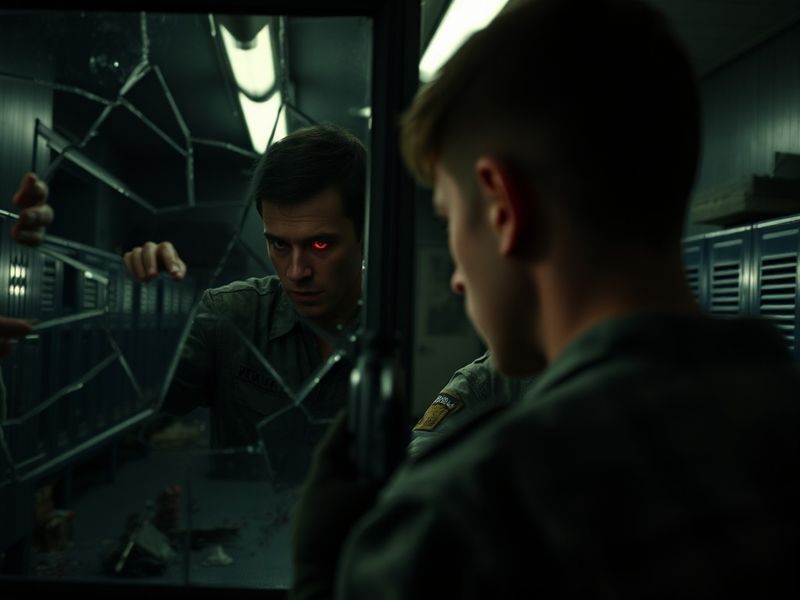
Homelander’s descent continues apace, and this episode marks a critical juncture. His erratic behavior isn’t just a plot device; it’s a commentary on the dangers of unchecked power. The episode contrasts his public image—still polished, still performative—with the raw, desperate figure he becomes in private. His breakdown in the mirror scene is one of the most unsettling moments of the season, a moment where the mask slips entirely.
What makes this compelling is how the show doesn’t glorify his suffering. There’s no catharsis here, no redemption arc in sight. Instead, Homelander’s pain is presented as a direct consequence of the system that created him. His violence isn’t cathartic; it’s symptomatic. The episode forces the audience to reckon with the fact that Homelander was never a hero to begin with—he was a product, and products don’t get happy endings.
Madelyn Stillwell’s Shadow: The Ghost Haunting Vought
The episode also lingers on the legacy of Madelyn Stillwell, whose influence looms large over Vought’s operations. Her absence is felt in every boardroom decision, every calculated move to maintain control. The show uses her memory as a narrative tool, highlighting how the past isn’t just prologue—it’s a weapon. The characters who orbit Stillwell, whether out of loyalty or fear, are all extensions of her will, even in death.
This isn’t just a plot convenience; it’s a thematic anchor. Stillwell’s ghost represents the show’s core argument: power corrupts, and those who wield it are never truly in control. The episode underscores this by showing how even Homelander, for all his strength, is a puppet dancing to a tune only Stillwell knew how to play.
The Seven’s Fracturing Morale: A Team on the Brink
The cracks in The Seven widen in this episode, revealing the rot beneath the glamour. Soldier Boy’s return has only accelerated their disintegration, but the episode makes it clear that the team was already doomed. The dynamic between the members—particularly between Starlight and the others—highlights the performative nature of their camaraderie. Their unity is a facade, one that crumbles the moment the cameras stop rolling.
This isn’t just character drama; it’s a reflection of the broader cultural obsession with manufactured unity. The Seven, like so many modern institutions, is a brand first and a team second. The episode’s focus on their fracturing morale serves as a critique of performative solidarity, where loyalty is conditional and betrayal is inevitable.
Key Moments That Define the Episode
- Homelander’s Mirror Breakdown: A raw, unfiltered look at his psychological unraveling, stripped of the superhero persona.
- Stillwell’s Lingering Influence: Her ghost looms over every decision, proving that the past is never truly buried.
- The Seven’s Cracks Show: The facade of unity crumbles, revealing the rot beneath.
- Soldier Boy’s Return: His presence accelerates the team’s collapse, but the seeds of destruction were planted long ago.
The Broader Implications: Power, Corruption, and the Illusion of Control
The episode’s events resonate beyond the confines of The Boys’ fictional universe. It’s a commentary on the systems that govern our world—corporate power, media manipulation, and the cult of celebrity. Homelander isn’t just a superhero gone rogue; he’s a metaphor for the dangers of unchecked authority. The episode forces the audience to ask: Who are the real villains in this story? The answer, as always, is the system itself.
The show’s critique is particularly timely in an era where public figures and institutions face unprecedented scrutiny. The Boys doesn’t just entertain—it holds up a mirror to the audience, forcing us to confront the uncomfortable truths about the systems we uphold. The episode’s climax, where Homelander’s violence spirals out of control, isn’t just a shocking moment—it’s a warning.
Looking Ahead: What’s Next for The Boys?
With the stage set for an explosive finale, the question isn’t just what Homelander will do next—it’s what will be left of Vought and The Seven when the dust settles. The episode ends on a note of uncertainty, a rarity for a show that usually delivers catharsis, if not justice. The characters are hurtling toward a reckoning, and the audience is left to wonder: Will anyone survive it?
The Boys has always been a show about consequences, and this season is no exception. The episode’s events set the stage for a conclusion that will likely be as messy as it is inevitable. The question isn’t whether the heroes will win—it’s whether the idea of heroism can survive the fallout.
As the season hurtles toward its climax, one thing is clear: The Boys isn’t just a critique of superheroes. It’s a critique of power itself, and the illusions we cling to in order to justify it.
For more on the themes explored in this episode, check out our analysis of Entertainment and our deeper dive into Culture.