The Global History and Future of Drinks Explained
“`html
The Global Evolution of Drinks: From Ancient Rituals to Modern Trends
Drinks have always been more than just liquids to quench thirst. They carry history, tradition, and cultural identity across continents. From the fermented rice wines of East Asia to the coffee ceremonies of the Middle East, every sip tells a story. The world of beverages has evolved dramatically over centuries, shaped by trade, innovation, and social customs. Today, drinks continue to redefine themselves, blending ancient techniques with cutting-edge technology.
The Ancient Roots of Modern Beverages
Long before refrigeration or pasteurization, ancient civilizations mastered the art of drink-making. In Mesopotamia, the earliest known beer recipes date back to 4000 BCE, brewed in temple complexes as offerings to the gods. The Egyptians perfected wine production, using it in religious rituals and as a form of currency. Meanwhile, in China, tea leaves were first steeped around 2700 BCE, becoming a staple in medicinal and social practices.
These early drinks served multiple purposes. Fermented beverages were safer to consume than water in many regions. Spices and herbs added during brewing or infusion often carried health benefits. Coffee, originating in Ethiopia, became a social catalyst in the Arab world by the 15th century, fostering intellectual exchange in bustling coffeehouses. Each of these traditions laid the groundwork for today’s diverse drink culture.
Rituals and Social Significance
Drinks often mark pivotal moments in human life. In Japan, the tea ceremony, or chanoyu, is a meditative practice that emphasizes harmony, respect, and purity. The ritual of serving matcha tea is a centuries-old tradition that reflects Zen Buddhist principles. Similarly, in Argentina, mate tea is shared among friends and family, symbolizing community and connection.
Alcohol has long played a role in celebrations and ceremonies. In Mexico, Day of the Dead celebrations feature pulque, an ancient fermented drink made from agave. In Scotland, whisky is poured at weddings and funerals alike, embodying both joy and solemnity. These customs highlight how drinks transcend mere refreshment to become vessels of tradition.
The Rise of Global Trade and Innovation
The Age of Exploration transformed the drink landscape forever. European colonists brought coffee, tea, and spirits to new continents, while returning ships carried cocoa, vanilla, and spices back home. The Dutch East India Company played a pivotal role in popularizing tea in Europe during the 17th century, turning it into a daily necessity for the elite. Sugar, harvested from plantations in the Caribbean, sweetened these exotic imports, creating entirely new drink categories.
By the 19th century, industrialization revolutionized beverage production. Carbonated water, invented in the late 1700s, led to the creation of sodas like Coca-Cola in 1886. Pasteurization allowed milk to be safely transported, paving the way for modern dairy products. Meanwhile, advancements in distillation improved the quality of spirits, making whisky and gin household names.
Colonialism and Cultural Exchange
The spread of drinks was not always a peaceful process. Colonizers often imposed their beverages on indigenous populations, disrupting local traditions. For example, British tea culture replaced traditional herbal infusions in India, while French wine-making techniques became dominant in Algeria. Yet, these exchanges also led to fascinating hybrid drinks, such as the Cuban mojito, which blends indigenous rum with imported mint and lime.
Today, global trade continues to shape drink trends. The rise of craft beer in the United States, for instance, draws inspiration from European styles but incorporates local ingredients like pumpkin and maple syrup. Similarly, Japanese whisky has gained international acclaim, blending Scottish techniques with unique Japanese aesthetics.
Contemporary Trends: Health, Sustainability, and Fusion
Modern consumers are increasingly conscious of what they drink. The global health movement has led to a surge in alternatives to sugary sodas and alcoholic beverages. Plant-based milks, kombucha, and cold-brew coffee are now staples in many diets. The rise of functional drinks, infused with adaptogens or probiotics, reflects a growing demand for beverages that do more than hydrate.
Sustainability has also become a priority. Single-use plastics are being phased out in favor of reusable or biodegradable packaging. Brands like Oatly emphasize ethical sourcing and low carbon footprints. Even traditional drinks are adapting, with wineries adopting organic farming practices and breweries using locally sourced grains to reduce their environmental impact.
The Fusion Revolution
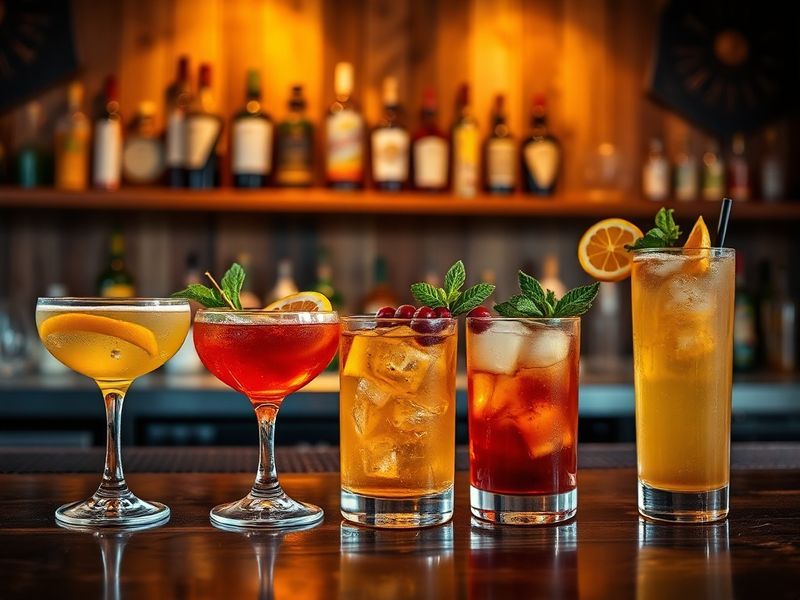
Globalization has blurred the lines between drink cultures. Fusion cocktails now dominate bars, combining ingredients from different traditions. A margarita might include Japanese yuzu, or a margarita might be served with a mezcal twist. In the non-alcoholic realm, drinks like horchata lattes blend Mexican rice milk with espresso, creating a uniquely modern experience.
Food and drink pairings have also evolved. The sommelier profession, once reserved for wine, now extends to tea, coffee, and even water. Sommeliers guide consumers through flavor profiles, acidity, and aroma, elevating the drinking experience to an art form. This trend reflects a broader cultural shift toward appreciating the nuances of what we consume.
Looking Ahead: The Future of Drinks
The next decade promises even more innovation. Lab-grown coffee and synthetic wine are already in development, aiming to replicate the flavors of traditional drinks without the environmental cost. Augmented reality is being used to enhance tasting experiences, allowing consumers to learn about a drink’s origins through interactive labels.
Yet, amidst all this progress, the essence of drinks remains tied to human connection. Whether it’s a shared cup of chai in Mumbai, a pint of craft beer in Berlin, or a ceremonial bowl of sake in Kyoto, the act of drinking together fosters bonds that transcend language and culture. As technology advances, the challenge will be to preserve the soul of these traditions while embracing the future.
One thing is certain: the world of drinks will continue to evolve, reflecting the ever-changing tapestry of human experience. From ancient rituals to futuristic innovations, every sip tells a story—one that connects us to the past while propelling us into the future.