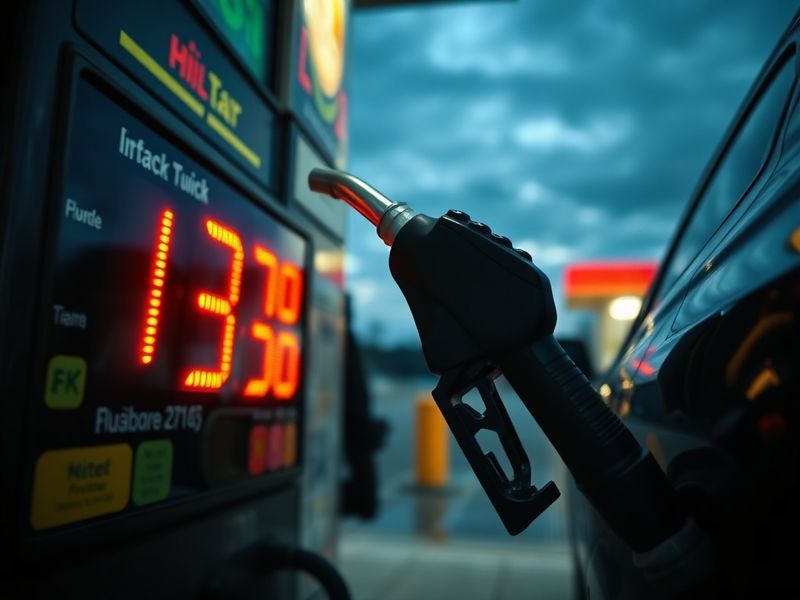
Why Gas Prices Fluctuate and How to Save Money
“`html
Understanding Gas Prices: What’s Driving the Fluctuations
The price of gas at the pump is more than just a number on a sign—it’s a reflection of global economics, geopolitical tensions, and local market dynamics. Over the past year, drivers have witnessed significant swings in fuel costs, leaving many to wonder what exactly is behind these changes. From crude oil markets to regional supply chain issues, the factors influencing gas prices are complex and interconnected.
Understanding these elements is crucial for consumers and businesses alike. Whether you’re planning a road trip or managing a fleet of vehicles, knowing what drives gas prices can help you anticipate costs and make informed decisions. Let’s break down the key factors behind these fluctuations and explore how they impact everyday Americans.
Crude Oil Prices: The Global Price Tag
The most significant driver of gas prices is the cost of crude oil, which accounts for roughly half of what you pay at the pump. Crude oil is a globally traded commodity, and its price is influenced by a range of factors, including supply and demand, production decisions by oil-exporting countries, and speculation in financial markets.
OPEC+ (the Organization of the Petroleum Exporting Countries and its allies) plays a pivotal role in setting production levels. When OPEC+ decides to cut production, global oil supplies tighten, and prices tend to rise. Conversely, when production increases, prices often fall. For example, in late 2022, OPEC+ announced production cuts, contributing to a surge in oil prices that trickled down to higher gas prices in early 2023.
Geopolitical tensions also drive crude oil prices. Conflicts in oil-rich regions, such as the war in Ukraine, can disrupt supply chains and create uncertainty in the market. When tensions rise, traders often buy oil futures as a hedge against potential shortages, pushing prices higher. This volatility can be seen in the sharp increases in gas prices following major geopolitical events.
Refining and Distribution: The Hidden Costs
While crude oil prices set the baseline for gas costs, refining and distribution add significant layers to the final price. Refining crude oil into gasoline is a complex process that requires specialized facilities and infrastructure. Refineries must adapt to seasonal demand shifts, such as increased gasoline production in the summer for higher driving season consumption.
Regional differences in refining capacity also play a role. Areas with limited refining infrastructure, such as the Midwest, often rely on pipelines or rail transport to receive gasoline from other regions. This can lead to higher prices in areas far from major refining hubs. For example, the Colonial Pipeline, which supplies gasoline to the East Coast, has faced disruptions in the past, leading to temporary price spikes in affected regions.
Additionally, federal and state taxes contribute to the total cost of gas. These taxes vary widely by location, with some states imposing higher taxes than others. For instance, in 2023, California had the highest gas taxes in the country, adding nearly $0.80 per gallon to the price at the pump. Understanding these regional variations can help drivers plan their fuel expenses more effectively.
Seasonal Demand: Why Prices Swing Throughout the Year
Gas prices aren’t static—they fluctuate seasonally due to changes in demand. The summer driving season, typically from Memorial Day to Labor Day, sees a surge in gasoline consumption as families hit the road for vacations. This increased demand often leads to higher prices, especially in popular travel destinations.
Winter also brings its own set of challenges. Cold weather can reduce the efficiency of refineries, leading to temporary supply constraints. Additionally, the switch to winter-blend gasoline, which has different chemical properties to reduce emissions in cold weather, can be more expensive to produce. This transition often results in a slight uptick in gas prices during the colder months.
Natural disasters also disrupt seasonal patterns. Hurricanes, for example, can damage refineries and pipelines along the Gulf Coast, which produces about half of the nation’s gasoline. When refineries go offline, supplies tighten, and prices rise. The 2022 hurricane season saw several storms that caused temporary price spikes in affected areas.
Consumer and Business Strategies for Managing Costs
With gas prices remaining volatile, both consumers and businesses are seeking ways to mitigate the impact on their budgets. For individual drivers, one of the most effective strategies is to monitor prices and fuel up during periods of lower costs. GasBuddy and other price-tracking apps can help drivers find the cheapest gas in their area.
For businesses, particularly those with large fleets, fuel costs can be a significant expense. Many companies are turning to fuel cards and loyalty programs to save money. Some businesses are also investing in fuel-efficient vehicles or alternative fuels to reduce their overall consumption. Electric vehicles (EVs), for example, are becoming an increasingly viable option as charging infrastructure expands.
Governments also play a role in managing gas prices. In response to high fuel costs, some states have temporarily suspended gas taxes to provide relief to drivers. The federal government has also tapped into the Strategic Petroleum Reserve in the past to stabilize prices during supply disruptions. While these measures can offer short-term relief, they don’t address the underlying issues driving price volatility.
Quick Tips for Saving on Gas
- Use fuel rewards programs offered by gas stations or credit cards.
- Plan your routes to avoid traffic and unnecessary idling, which wastes fuel.
- Keep your tires properly inflated to improve your vehicle’s fuel efficiency.
- Consider carpooling or using public transportation to reduce fuel consumption.
- Monitor gas price trends and fill up when prices are lower.
The interplay of global oil markets, refining challenges, seasonal demand, and regional factors creates a dynamic environment for gas prices. While drivers may feel powerless against these forces, understanding the drivers behind price fluctuations can empower them to make smarter decisions. Whether it’s adjusting travel plans, exploring fuel-saving technologies, or advocating for policy changes, there are steps individuals and communities can take to navigate the ups and downs of gas prices.
As we look to the future, the transition to renewable energy sources and electric vehicles may reduce our dependence on gasoline. However, for now, gas remains a critical resource, and its price will continue to be a major consideration for millions of Americans. By staying informed and proactive, drivers can better manage the impact of fuel costs on their lives and livelihoods.
For more insights into energy trends and their broader implications, visit our Business and Automotive sections for in-depth coverage and analysis.