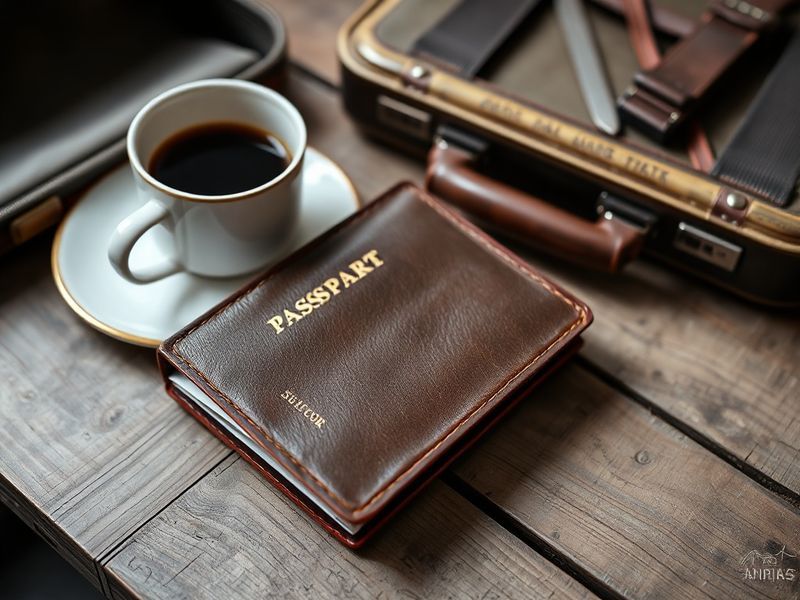
The passport is one of the most powerful documents in the world, yet it often sits unnoticed in pockets and purses. More than just a travel permit, it reflects geopolitical realities, economic disparities, and cultural connections. Every year, millions of people cross borders carrying this small booklet, unaware of the stories it silently carries.
Its design, security features, and visa policies reveal much about the countries that issue them. Some passports open doors effortlessly, while others impose strict limitations. The passport’s power lies not in its size, but in what it represents: identity, freedom, and the ever-shifting landscape of global mobility.
The Evolution of the Passport: From Royal Decree to Digital Age
The concept of a travel document dates back centuries. Ancient empires issued safe-conduct passes to merchants and diplomats, allowing them to move through territories without fear of arrest. By the 19th century, as nationalism grew, governments formalized these documents to control borders and track citizens.
The League of Nations standardized passport formats in 1920, introducing machine-readable zones and security features that evolved with technology. Today, biometric chips and digital passports are becoming standard, blending physical and virtual identity. Yet, the core purpose remains unchanged: to verify who you are beyond borders.
Some nations have embraced innovation. Estonia, for instance, offers a digital “e-residency” passport, allowing entrepreneurs to run businesses remotely. Meanwhile, traditional passports still dominate global travel, proving that even in a digital world, physical documents hold enduring value.
A Symbol of Mobility: The Power of Visa-Free Travel
Not all passports are created equal. The Henley Passport Index ranks them annually based on visa-free access. In 2024, Japanese and Singaporean passports topped the list, granting holders access to over 190 destinations. At the opposite end, Afghan and Syrian passports offer fewer than 40 visa-free options.
This disparity highlights deep global inequalities. Citizens of wealthy nations enjoy effortless movement, while those from conflict zones face bureaucratic hurdles and suspicion. The passport, in this sense, becomes a tool of privilege—one that can shape careers, education, and personal freedom.
Some countries have responded by easing visa policies. The Schengen Zone in Europe and the East African Community in Africa promote regional integration through joint travel agreements. These initiatives foster economic ties and cultural exchange, proving that openness benefits everyone.
Cultural Identity and the Passport’s Hidden Messages
Beyond its legal function, the passport carries cultural weight. The cover color, national symbols, and even the font used for text send subtle messages about national identity. The blue cover of the European Union passport symbolizes unity, while the red of the Chinese passport reflects communist heritage.
Immigrants often view their passports with mixed emotions. Some cherish them as symbols of opportunity, while others resent them for the restrictions they impose. The passport can become a point of tension during international crises, when governments revoke access or impose sudden bans.
What Your Passport Says About You
Your passport doesn’t just grant entry—it shapes first impressions. Border agents may unconsciously associate certain nationalities with risk or prestige. Airlines and hotels adjust policies based on passport rankings, sometimes offering priority services to holders of “stronger” passports.
In some cases, the passport becomes a conversation starter. A traveler with a passport from a small island nation might spark curiosity, while one from a major power might face assumptions about wealth or influence. These interactions reveal how deeply identity is tied to nationality.
Passport Diplomacy: How Travel Documents Shape International Relations
Passports are not just administrative tools—they are instruments of soft power. Countries use visa policies to reward allies and punish rivals. The United States, for example, maintains strict entry rules for citizens of certain nations while offering expedited visas to others as part of diplomatic agreements.
Reciprocity is key. If one country imposes strict entry rules on another’s citizens, the second nation often responds in kind. This creates a delicate balance where travel freedom becomes a bargaining chip in broader geopolitical negotiations.
Crisis moments reveal the passport’s role in global politics. During the 2022 Russian invasion of Ukraine, thousands of Russians fled, only to find many countries closing borders to them. The passport, once a symbol of protection, became a marker of suspicion overnight.
The Future of Passports: Biometrics, Blockchain, and Beyond
Technology is transforming how we travel. Biometric passports, embedded with facial recognition data, are now common in the European Union and the United States. These passports speed up border crossings but raise concerns about data privacy and surveillance.
Blockchain-based digital passports are being tested in pilot programs. These would store identity data on decentralized networks, reducing fraud and making documents tamper-proof. Yet, adoption faces hurdles, from technical glitches to public skepticism about digital identity.
In the meantime, traditional passports remain essential. Even as virtual alternatives emerge, the physical booklet endures as a tangible link to national identity. Its pages tell stories of journeys taken, visas stamped, and borders crossed—each entry a testament to human movement.
Conclusion: More Than Just a Travel Document
The passport is a paradox: a fragile booklet with immense power. It can open doors or slam them shut, unite cultures or enforce divisions. Its design reflects national pride, its policies reveal global power structures, and its pages hold personal histories.
As the world becomes more interconnected, the passport will continue to evolve. Yet its core function remains unchanged—to carry us forward, one stamp at a time. Whether you hold a powerful blue passport or a more restricted one, remember: this small document carries a world of meaning.