Exploring Target’s Dress Code: Cultural Insights and Impacts
Understanding Target’s Dress Code: A Global Perspective
The dress code at Target is more than a simple guideline for employees. It reflects the company’s values, promotes a cohesive work environment, and enhances the shopping experience for customers. As a major retail player, Target’s approach to employee attire can be analyzed through various cultural lenses, showcasing how attire can influence workplace dynamics and customer perceptions.
The Basics of Target’s Dress Code
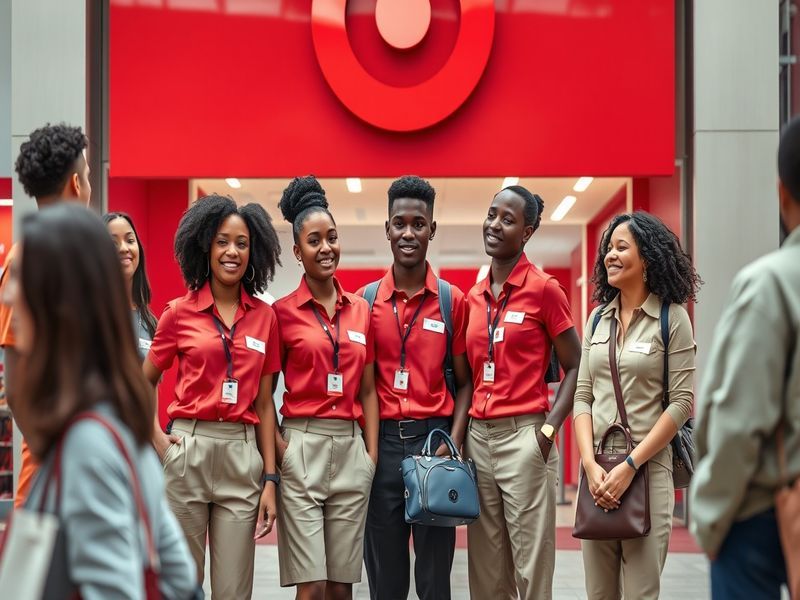
At Target, the dress code is designed to maintain a professional yet approachable image. Employees are usually required to wear red or khaki clothing, which has become synonymous with the brand. This color scheme not only helps in easy identification of staff members but also fosters a sense of unity among employees.
Specific guidelines include:
- Red or khaki tops and bottoms
- Comfortable shoes suitable for a retail environment
- Minimal jewelry and accessories
- Prohibited items include ripped jeans, offensive graphics, and overly casual attire
These rules may vary slightly depending on the store location, regional culture, and specific roles within the company. For instance, employees in different departments may have additional requirements tailored to their responsibilities.
Cultural Context of Dress Codes
Dress codes are influenced by cultural norms and expectations, which can vary significantly from country to country. In the United States, a business casual dress code like Target’s is widely accepted in retail and service industries. However, in other cultures, such as those in parts of Europe or Asia, dress codes might lean towards more formal attire.
This cultural variation can affect how employees perceive their roles and responsibilities. In some regions, a relaxed dress code may encourage creativity and individuality, while in others, a strict dress code might reinforce professionalism and hierarchy. For example, in Japan, employees often adhere to more formal attire to convey respect and diligence in their work.
Impact on Employee Morale and Customer Experience
A well-defined dress code can significantly influence employee morale. When employees feel comfortable and confident in their attire, they are more likely to provide better customer service. Moreover, a consistent dress code can enhance the shopping experience by creating a friendly atmosphere where customers feel welcomed.
Here are some benefits of a thoughtful dress code:
- Brand Identity: A cohesive appearance reinforces brand recognition.
- Team Cohesion: Similar attire fosters a sense of belonging among employees.
- Professionalism: A polished look can enhance customer trust in the brand.
- Comfort and Practicality: Allowing for comfortable clothing can improve employee satisfaction.
Conversely, a poorly implemented dress code may lead to dissatisfaction among employees and negative customer experiences. If employees feel restricted or uncomfortable in their attire, this can reflect in their interactions with customers.
Conclusion: The Future of Dress Codes
As the retail landscape continues to evolve, so too will the dress codes that govern employee attire. Companies like Target will need to adapt to changing cultural expectations and employee preferences. The balance between maintaining a professional appearance and allowing for personal expression is crucial in creating a positive work environment.
Ultimately, Target’s dress code serves as a case study in how attire can shape workplace culture and customer interactions. As dress codes evolve, they will undoubtedly reflect broader societal changes, influencing how companies present themselves to the public.
For more insights into workplace culture and retail strategies, check out our articles on business trends and cultural shifts.