West Virginia Baseball: Tradition and Growth in the Mountaineers Program
“`html
West Virginia Baseball: Tradition Meets Modern Competition
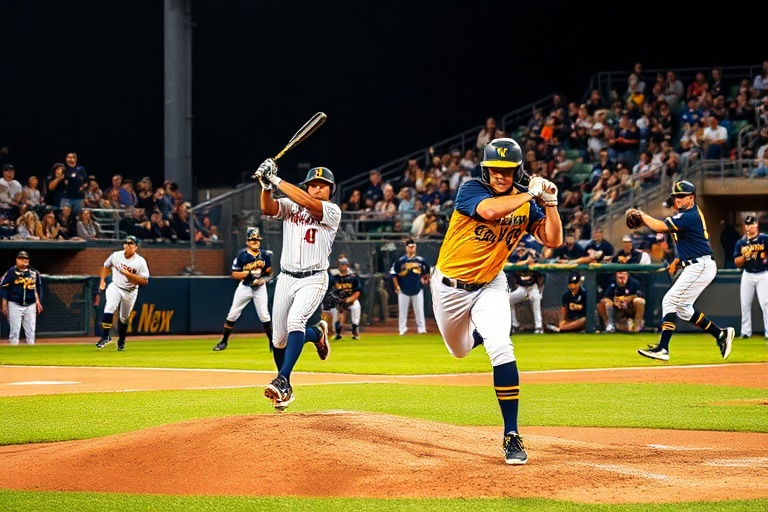
Baseball in West Virginia carries a legacy that stretches beyond the diamond. The sport here is woven into the state’s cultural fabric, reflecting its industrial roots, Appalachian heritage, and the resilience of its communities. While not traditionally a baseball powerhouse, West Virginia University’s baseball program has carved out a distinct identity over the decades, blending small-town values with the demands of modern collegiate sports.
The Mountaineers have experienced cycles of growth, challenge, and reinvention. Their journey mirrors the broader evolution of college baseball—where tradition meets innovation, and where the love for the game often outweighs the spotlight. Beyond wins and losses, the program’s impact can be seen in the lives of players who leave Morgantown with more than just athletic experience.
From Humble Beginnings to Competitive Presence
West Virginia University fielded its first baseball team in 1893, making it one of the oldest programs in the region. In those early years, baseball was played in a landscape dominated by football and basketball, particularly given West Virginia’s coal mining culture and the popularity of college football. Yet, the sport endured, rooted in the communities where sandlots and factory leagues kept the game alive.
By the mid-20th century, the Mountaineers began to gain regional recognition. The program joined the Southern Conference in 1951, then transitioned through various conferences as college baseball reorganized. Finally, in 2014, West Virginia joined the Big 12 Conference, a move that signaled a new era of ambition and investment in the program.
This shift brought increased competition, better facilities, and greater exposure. Dickson Field, the home of Mountaineer baseball, received upgrades including new dugouts, a video board, and expanded seating. The renovations reflected a commitment to elevate the program’s profile while preserving its connection to the community.
A Homegrown Identity
Unlike programs in warmer climates that attract top recruits with year-round opportunities, West Virginia’s baseball identity is shaped by its environment. The cold, unpredictable spring weather demands adaptability. Players from the region often develop a toughness that mirrors the state’s rugged landscape—where persistence is not just a virtue, but a necessity.
The program has also become a pathway for local talent. West Virginia high school stars, many from small towns like Morgantown, Keyser, or Hurricane, have the chance to develop under NCAA Division I coaching while staying close to home. This regional loyalty strengthens the bond between the team and its fan base.
The Mountaineers’ style of play reflects this identity: disciplined, fundamentally sound, and resilient. While they may not always dominate offensively, their pitching staffs and defensive execution often keep them competitive, even against higher-ranked opponents.
Cultural Significance in Appalachia
Baseball in West Virginia carries a cultural weight that transcends statistics. In many Appalachian communities, baseball was—and in some places still is—a communal activity. Towns would gather at local fields for games, often played in the shadow of coal tipples or company towns. The sport became a form of social cohesion, a break from the hard labor of mining or farming.
Even today, baseball remains a unifying force. During the season, Morgantown transforms into a baseball-centric town. Fans gather at Dickson Field, not only to watch the Mountaineers but to celebrate the game itself. The atmosphere is family-friendly, with tailgating, live music, and youth clinics woven into game days.
This cultural continuity is rare in modern sports, where many programs struggle to connect with local traditions. West Virginia baseball, however, has maintained a sense of place. It’s not just about wins and losses; it’s about identity, pride, and intergenerational participation.
Grassroots Support and Fan Culture
The fan base is passionate but modest in scale, reflecting the state’s population. Home games often draw loyal supporters who know the players by name and follow their journeys from freshmen to seniors. The student section, though smaller than football crowds, is energetic, especially during weekend series.
Community engagement extends beyond the stadium. The program hosts youth clinics, partnering with local schools and Little League organizations. These initiatives introduce baseball to children who might not otherwise have access to the sport, particularly in rural areas where facilities are limited.
Such efforts reinforce baseball’s role as a public good—not just entertainment, but a tool for youth development and community building.
Challenges and the Path Forward
Despite progress, West Virginia baseball faces ongoing challenges. Recruiting is difficult in a state with a smaller talent pool compared to warmer regions. The short outdoor season and unpredictable weather limit practice time, forcing coaches to be creative with indoor training and skill development.
Financial constraints also play a role. While the Big 12 move brought increased revenue sharing, smaller-market programs like West Virginia must be resourceful. Fundraising, alumni support, and strategic scheduling help offset these challenges.
Yet, the program has shown steady improvement under head coach Randy Mazey, who took over in 2013. Mazey, a former Mountaineer player himself, has instilled a culture of accountability and development. Under his leadership, the team has reached the NCAA Tournament multiple times, including a regional appearance in 2021.
These achievements are not about national rankings alone. They represent the realization of potential—proof that a program rooted in tradition can compete at a high level with the right vision.
Looking to the Future
The future of West Virginia baseball lies in balancing growth with identity. Expanding facilities, enhancing recruiting networks, and deepening community ties will be key. There is also an opportunity to leverage the sport’s cultural significance to attract interest from non-traditional baseball markets.
Internationally, baseball’s global footprint continues to grow, with MLB expanding its presence in Europe and Asia. West Virginia could explore partnerships or exchange programs to broaden its perspective and attract diverse talent.
Yet, the core of the program’s strength remains its connection to West Virginia itself. The loyalty of its fan base, the pride of its alumni, and the resilience of its players form the foundation for long-term success.
Why West Virginia Baseball Matters
West Virginia baseball is more than a college sport. It’s a cultural institution, a developmental pipeline, and a source of pride for a state that often flies under the radar. In an era where sports are increasingly commodified, the Mountaineers’ program stands out for its authenticity and community focus.
It reminds us that sports matter not just for their entertainment value, but for what they represent: tradition, resilience, and the power of collective identity. As the program continues to evolve, it carries forward the spirit of West Virginia—hardworking, genuine, and enduring.
For fans, players, and alumni, the love of the game is the common thread. And in Morgantown, on a spring evening with the scent of freshly cut grass in the air, that love is palpable.
Whether you’re a lifelong Mountaineer fan or a first-time visitor, there’s something special about baseball in West Virginia. It’s a game played with heart—and that’s a tradition worth preserving.
To explore more about college baseball programs across the region, visit our Sports section.
For analysis on the broader impact of college athletics in Appalachia, check out our Culture category.