Mexico’s Día del Niño, or Children’s Day, is a vibrant celebration that takes place annually on April 30th. In 2026, this special day will once again highlight the importance of children’s rights, education, and well-being across the country. Unlike commercialized holidays, Día del Niño carries deep cultural and social significance, emphasizing the protection and empowerment of young people.
This year’s observance comes at a pivotal moment. With ongoing discussions about education reform and child welfare policies, the holiday serves as both a celebration and a reminder of the work still needed to ensure every child in Mexico has access to opportunities. Schools, communities, and families nationwide prepare months in advance, blending tradition with forward-looking initiatives.
The History and Meaning Behind Día del Niño
Día del Niño was first established in Mexico in 1924, following the World Conference for the Well-being of Children held in Geneva. The Mexican government, led by President Álvaro Obregón, officially declared April 30th as Children’s Day to promote children’s rights and social welfare. This decision reflected a growing global movement to prioritize child protection and development.
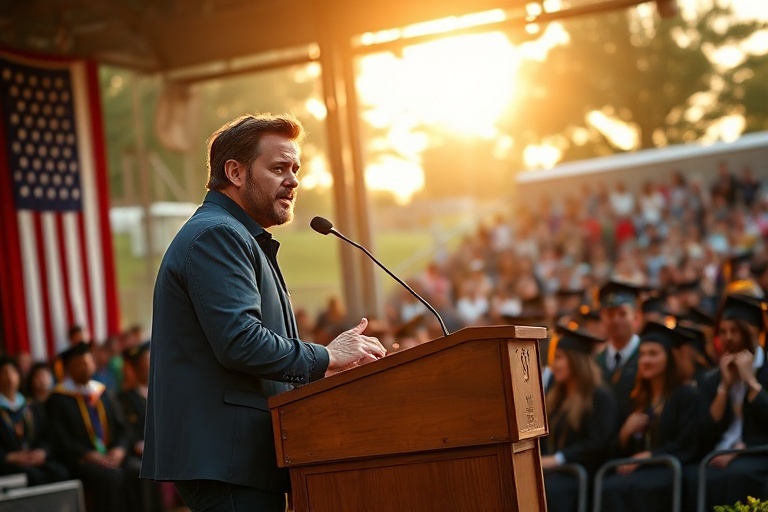
Over the decades, the holiday has evolved from a government-led observance into a deeply rooted cultural tradition. It’s not just about gifts or parties—it’s a day when society pauses to recognize children as active participants in shaping the future. Schools often organize special assemblies, art exhibitions, and sports events, while government agencies release reports on child welfare progress.
In 2026, educators and activists are using the occasion to advocate for stronger mental health programs in schools. Recent studies show rising concerns about anxiety and depression among Mexican youth, making this year’s Día del Niño an opportunity to push for systemic change.
How Communities Celebrate in 2026
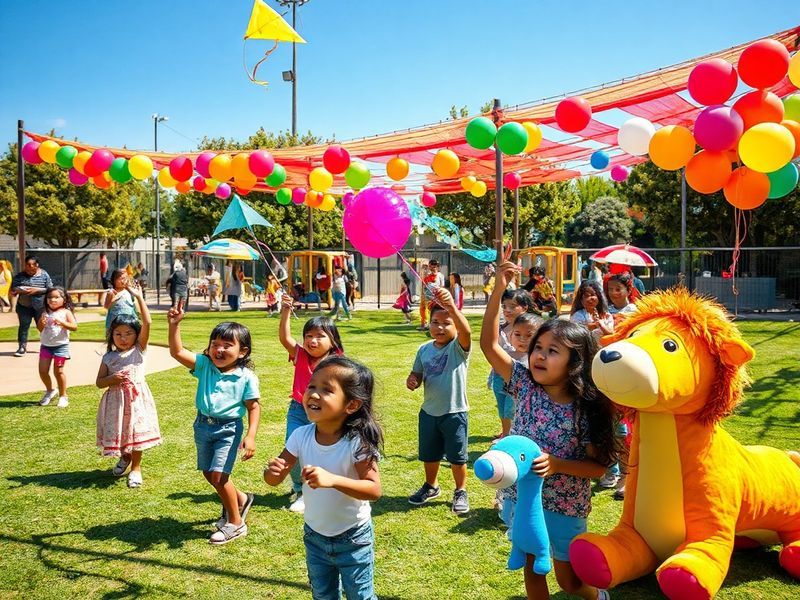
Celebrations in 2026 will reflect both tradition and innovation. In Mexico City, the Zócalo will host a massive festival with live music, puppet shows, and interactive exhibits designed to educate children about their rights. Meanwhile, smaller towns are incorporating eco-friendly activities, such as tree-planting ceremonies and recycling workshops, to teach sustainability from a young age.
Families often mark the day with outings to parks, museums, and cultural centers that offer free or discounted admission. Many businesses also participate by donating a portion of their profits to children’s charities. This collective effort ensures that even families with limited resources can join in the festivities.
Technology is playing a bigger role this year. Several cities are launching digital storytelling contests where children can share their experiences through short videos or podcasts. These platforms give young voices a chance to be heard beyond their immediate communities, fostering a sense of national connection.
School Activities That Go Beyond the Classroom
Schools across Mexico are preparing unique programs for 2026. Some are organizing “Rights and Responsibilities” fairs, where students set up booths explaining topics like access to education, protection from violence, and freedom of expression. These interactive events help children understand their rights in a tangible way.
Other schools are partnering with local artists to create murals depicting children’s dreams for the future. These artworks, often displayed in public spaces, serve as visual reminders of the potential within every child. The murals also spark conversations about inequality and the barriers some children face in pursuing their goals.
For a deeper look at how schools are integrating social themes into celebrations, visit our Education category for insights and resources.
Challenges and Opportunities in 2026
While Día del Niño is a joyful occasion, it also highlights persistent challenges. According to UNICEF, nearly 5 million children in Mexico live in poverty, and access to quality education remains uneven. The holiday serves as a stark reminder of these disparities, prompting calls for policy reforms and community support.
On a positive note, 2026 has seen a surge in grassroots initiatives aimed at addressing these issues. Nonprofits are leveraging the holiday’s momentum to launch fundraising campaigns for scholarships, school supplies, and mental health resources. Social media campaigns are also gaining traction, with hashtags like #NiñosDelFuturo trending as users share stories of resilience and hope.
Another focus this year is on inclusive celebrations. Organizers are ensuring that children with disabilities, indigenous children, and those from rural areas have equal access to events. This includes providing sign language interpreters, wheelchair-accessible venues, and culturally relevant programming.
Looking Ahead: The Legacy of Día del Niño
As Mexico prepares to celebrate Día del Niño 2026, the holiday’s legacy continues to grow. It’s a day that balances celebration with advocacy, reminding society that children are not just the future—they are the present. The events, discussions, and initiatives sparked by this holiday have far-reaching impacts, influencing policies and shaping community values for years to come.
For families looking to make the most of the day, consider exploring cultural sites or participating in local volunteer efforts. These small actions contribute to a larger movement of support and empowerment for children nationwide. Whether through art, education, or activism, every contribution matters.
To explore more about cultural celebrations in Mexico, check out our Culture category for related stories and guides.
As we reflect on Día del Niño 2026, one thing is clear: the spirit of this holiday extends far beyond a single day. It’s a call to action, a celebration of potential, and a testament to the power of community. Here’s to the children who inspire us all—today and every day.