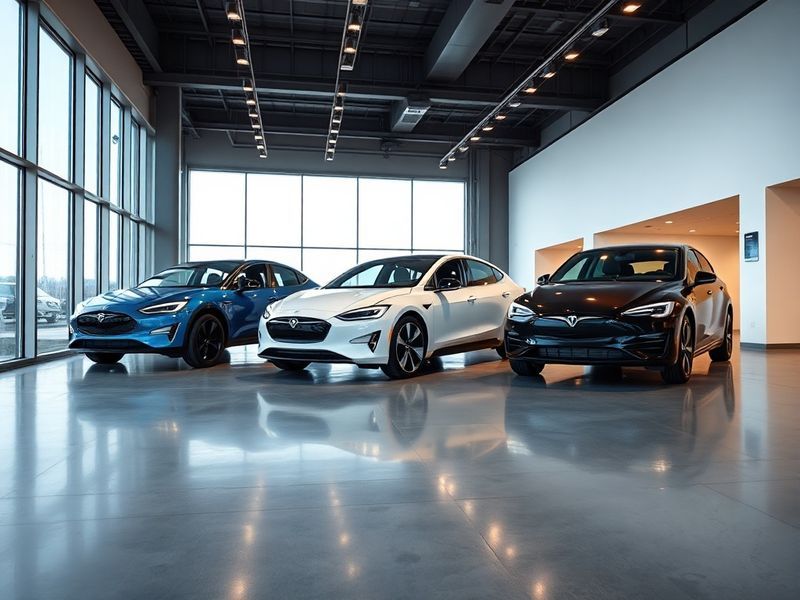
Electric vehicles (EVs) are reshaping the automotive landscape, and dealerships are evolving to meet this shift. Traditional car dealerships are now integrating EV sales models, service centers, and charging infrastructure to cater to a growing market of environmentally conscious buyers. The transition from internal combustion engines to electric powertrains presents unique challenges and opportunities for both dealers and consumers.
The demand for EVs has surged in recent years, driven by advancements in battery technology, government incentives, and increased environmental awareness. As a result, dealerships are adapting their business models to stay relevant. Some are investing in dedicated EV showrooms, while others are training staff to handle the nuances of electric vehicle sales and maintenance. This transformation is not just about selling cars—it’s about redefining the entire customer experience.
How EV Dealerships Differ from Traditional Ones
EV dealerships operate with several key distinctions compared to their traditional counterparts. One of the most notable differences is the reduced need for mechanical repairs. Unlike gasoline-powered vehicles, EVs have fewer moving parts, which means less wear and tear. This shift reduces the reliance on traditional service bays and increases the importance of software updates, battery diagnostics, and charging system maintenance.
- Charging Infrastructure: EV dealerships often include charging stations for customers to use while they shop or wait. Some even offer home charger installation services as part of the purchase package.
- Digital-First Sales: Many EV dealerships emphasize online configurators, virtual test drives, and at-home consultations to accommodate buyers who prefer a contactless experience.
- Battery Health Services: Dealers are investing in diagnostic tools to assess battery health, ensuring customers understand the longevity and warranty coverage of their EV batteries.
- Community Engagement: Some EV dealerships host events like charging station tours, sustainability workshops, and test-drive caravans to build brand loyalty.
Another critical difference is the role of dealerships in educating consumers. Many buyers are still unfamiliar with EV technology, charging logistics, and available incentives. A well-informed sales team can bridge this knowledge gap, making the purchasing process smoother. Dealerships that prioritize transparency about range, charging times, and total cost of ownership tend to earn customer trust more effectively.
The Challenges of Transitioning to an EV Dealership Model
Despite the opportunities, dealerships face significant hurdles when transitioning to an EV-focused model. One of the biggest challenges is the upfront investment required. Installing charging stations, training technicians, and redesigning showrooms can be costly. Smaller dealerships may struggle to compete with larger chains that have deeper pockets for such transformations.
Another issue is the inconsistency in EV inventory. Supply chain disruptions, semiconductor shortages, and fluctuating demand can leave dealerships with limited stock. This unpredictability makes it difficult to maintain a steady flow of sales, unlike traditional vehicles where inventory is more predictable.
Regulatory changes also pose a challenge. Some states have implemented laws requiring dealerships to sell EVs, while others still favor traditional franchise models. Navigating these legal landscapes can be complex, particularly for dealers operating across multiple regions.
Finally, there’s the matter of profit margins. EVs often come with higher price tags, but dealerships typically earn less commission compared to gasoline vehicles. This is partly due to the direct-to-consumer sales models adopted by some EV manufacturers, such as Tesla, which bypass traditional dealerships entirely. Dealers must find alternative revenue streams, such as service contracts, accessories, and charging solutions, to offset these losses.
What the Future Holds for EV Dealerships
The future of EV dealerships will likely be shaped by technological advancements and shifting consumer preferences. One emerging trend is the rise of “mobility hubs,” where dealerships integrate EV rentals, car-sharing programs, and subscription services alongside traditional sales. This approach caters to buyers who may not want to commit to ownership but still want access to electric vehicles.
Another development is the growing importance of data in dealership operations. AI-driven analytics can help dealers predict demand, optimize inventory, and personalize customer interactions. For example, some dealerships use predictive maintenance tools to alert customers when their EV’s battery health is declining, fostering long-term relationships.
Sustainability will also play a larger role. Dealerships are increasingly adopting green practices, such as solar-powered charging stations, energy-efficient buildings, and recycling programs for old EV batteries. These efforts not only reduce environmental impact but also appeal to eco-conscious buyers.
Looking ahead, partnerships between dealerships and EV manufacturers will be crucial. Collaborations can streamline the supply chain, improve customer service, and ensure that dealerships have access to the latest vehicle models. For instance, traditional automotive dealerships are partnering with companies like Ford and GM to expand their EV offerings.
Tips for Buyers Visiting an EV Dealership
For consumers considering an EV purchase, visiting a dealership can be an eye-opening experience—if they know what to look for. Here are some key tips to ensure a smooth process:
- Research Before You Go: Familiarize yourself with different EV models, their range, charging capabilities, and pricing. This preparation will help you ask informed questions and avoid being swayed by pushy sales tactics.
- Test Drive Multiple Models: Range anxiety is a common concern among EV buyers. Test-driving different vehicles will give you a sense of their real-world performance and comfort levels.
- Ask About Charging Solutions: Inquire about home charger installation options, public charging networks, and any incentives or rebates available in your area. Some dealerships offer package deals that include charging equipment.
- Compare Financing and Incentives: EV incentives vary by state and manufacturer. Dealerships should be able to guide you through available tax credits, rebates, and financing options. Don’t hesitate to negotiate on price or ask about lease-to-own programs.
- Evaluate Post-Purchase Support: Look for dealerships that offer robust customer service, including battery health checks, software updates, and maintenance plans. A dealership’s after-sales support can significantly impact your long-term satisfaction.
Buyers should also be wary of dealerships that downplay the importance of charging logistics. A reputable EV dealership will provide transparent information about charging times, network compatibility, and any limitations of the vehicle’s battery. If a salesperson seems evasive about these details, it may be a red flag.
Finally, consider the dealership’s commitment to sustainability. Supporting businesses that prioritize eco-friendly practices aligns with the values of many EV buyers. Some dealerships even offer carbon offset programs or donate a portion of profits to environmental causes.
Conclusion: The Road Ahead for EV Dealerships
The transition to EV dealerships represents more than just a shift in automotive sales—it’s a fundamental change in how we think about transportation. As technology advances and consumer demand grows, dealerships must continue adapting to stay competitive. Those that embrace innovation, prioritize customer education, and invest in sustainable practices will thrive in this new era.
For buyers, the shift to EV dealerships offers an opportunity to engage with a more transparent and customer-centric sales process. By doing their homework and choosing dealerships that align with their values, consumers can make informed decisions that benefit both their wallets and the planet. The road ahead is electric, and dealerships are steering us in the right direction.