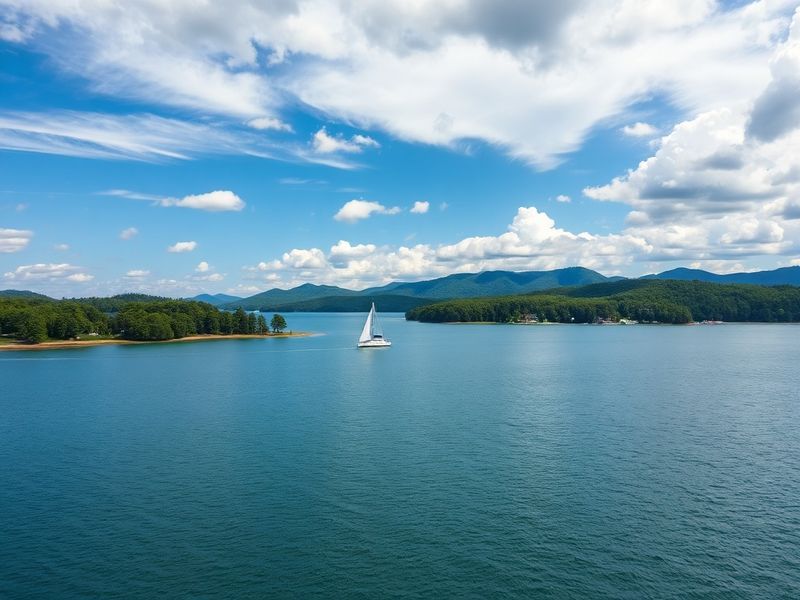
Nestled in the foothills of the Blue Ridge Mountains, Lake Lanier stretches across 38,000 acres in northern Georgia, forming a sprawling freshwater reservoir that has become more than just a regional landmark. Since its creation in 1956 through the construction of Buford Dam on the Chattahoochee River, the lake has evolved into a vital resource, a recreational playground, and a cultural touchstone for millions across the Southeast. But beyond its role as a water supply and flood controller, Lake Lanier has woven itself into the fabric of Southern identity, hosting everything from high-profile sports events to serene sunset gatherings.
Its significance extends beyond borders. In a region where water scarcity and environmental concerns loom large, Lake Lanier stands as a symbol of balance—between development and preservation, between recreation and conservation. As climate patterns shift and populations grow, the lake’s story reflects broader global challenges: How do we manage finite natural resources? How do communities sustain themselves when their lifelines are both economic engines and fragile ecosystems? To understand Lake Lanier is to peer into these questions, not as abstractions, but as lived realities.
The Birth of a Reservoir: Engineering a Lifeline
The idea of Lake Lanier was born out of necessity. In the early 20th century, rapid urbanization in Atlanta led to chronic water shortages and flooding. The U.S. Army Corps of Engineers proposed a solution: a massive dam that would tame the Chattahoochee River, generate hydroelectric power, and create a stable water supply. When Buford Dam was completed in 1956, it flooded 5,600 acres of land, submerging farms, forests, and even entire communities. The creation of the lake displaced hundreds of families, a displacement often overshadowed by the project’s benefits.
The reservoir was named after Sidney Lanier, a 19th-century poet and musician from Georgia, whose lyrical works celebrated the natural beauty of the South. Ironically, the lake’s construction erased some of the very landscapes Lanier had immortalized. Yet, in time, the water itself became a new kind of poetry—a shimmering expanse that reflected both the sky and the changing values of the region.
Today, the lake is managed by the U.S. Army Corps of Engineers, which operates it primarily for flood control, water supply, and hydropower. But its secondary role as a recreational hub has reshaped its identity. Over 7 million visitors flock to its shores annually, making it one of the most visited Corps lakes in the country.
A Hub of Recreation and Sport: More Than Just Water
Lake Lanier’s reputation as a recreational paradise is well-earned. Its 692 miles of shoreline offer endless opportunities for boating, fishing, swimming, and picnicking. But it’s the lake’s role in competitive water sports that has elevated its profile beyond the Southeast. Since 2010, Lake Lanier has hosted the annual Gatorade Triathlon of the Southeast, drawing elite athletes from around the world. The event, part of the Escape Tri series, has turned the lake into a training ground for Olympic hopefuls and a proving ground for amateur triathletes.
The lake is also a hotspot for sailing, wakeboarding, and paddleboarding. Its consistent winds and calm waters make it ideal for regattas, while its coves and inlets provide sheltered spots for families to gather. Fishing is another major draw, with the lake home to bass, crappie, catfish, and striped bass. Local fishing tournaments draw anglers from across the region, reinforcing the lake’s economic impact on nearby towns like Gainesville and Cumming.
In winter, the lake transforms again. The annual Lake Lanier WinterFest celebrates the season with ice skating, holiday lights, and outdoor concerts. The contrast between the frozen lake and the surrounding green hills creates a scene that feels both festive and surreal—a reminder that this body of water adapts to the rhythms of human life.
The Cultural Heartbeat: Music, Myth, and Community
Lake Lanier isn’t just a place; it’s a feeling. For decades, it has been a muse for musicians, writers, and artists. The lake’s presence looms large in Southern country and folk music, often featured in lyrics as a symbol of freedom, nostalgia, or escape. Artists like the Drive-By Truckers and John Prine have referenced its waters in songs, weaving the lake into the broader tapestry of American storytelling.
Local legends and folklore also surround the lake. Some say the waters hold secrets from the era before the dam, when the land was home to Cherokee villages and early settlers. Others whisper about ghostly figures seen near the old bridges that were submerged when the lake formed. These stories add layers of mystery to the lake’s identity, making it more than just a geographical feature—it becomes a repository of collective memory.
The lake is also a gathering place for communities. From Fourth of July fireworks displays to religious retreats and corporate team-building events, Lake Lanier serves as a neutral ground where people come together. Its shores have witnessed weddings, memorials, and even political rallies. In a region marked by cultural and political divides, the lake offers a rare space for shared experience.
Environmental Challenges: A Fragile Balance
Despite its idyllic reputation, Lake Lanier faces significant environmental challenges. Water levels fluctuate dramatically due to droughts, overuse, and competing demands from municipalities, agriculture, and industry. In 2007, a severe drought caused the lake’s water level to drop nearly 20 feet, exposing shorelines and forcing restrictions on boat traffic. The crisis sparked a legal battle between Georgia, Alabama, and Florida over water rights—a conflict that continues to simmer in courtrooms and statehouses.
Pollution is another concern. Runoff from urban areas and farms carries nutrients like nitrogen and phosphorus into the lake, fueling harmful algal blooms. These blooms can deplete oxygen levels in the water, threatening fish populations and creating unsafe conditions for swimming and drinking. Local conservation groups, including the Chattahoochee Riverkeeper, have pushed for stricter regulations on development and agricultural practices to protect the lake’s health.
Yet, there’s hope. Efforts to restore wetlands, improve wastewater treatment, and promote sustainable boating practices are underway. The lake’s role as a drinking water source for 3.5 million people in metro Atlanta underscores the urgency of these efforts. Without careful management, Lake Lanier could become a cautionary tale—a body of water that once united a region but now risks dividing it.
Key Environmental Concerns at Lake Lanier
- Water Level Fluctuations: Droughts and overuse threaten the lake’s stability, affecting recreation and water supply.
- Algal Blooms: Pollution from runoff causes harmful algae growth, risking public health and aquatic life.
- Habitat Loss: Shoreline development and invasive species disrupt native ecosystems.
- Legal Battles: Disputes over water rights between states highlight the lake’s regional importance.
The Future of Lake Lanier: A Model for Sustainable Recreation
As the world grapples with climate change and resource scarcity, Lake Lanier offers lessons in resilience and adaptation. Its story is one of transformation—from a flooded landscape to a thriving hub of recreation and culture. But its future depends on how well it can balance these roles with the need for conservation.
Local leaders and environmental advocates are calling for a comprehensive management plan that prioritizes sustainability without stifling the lake’s economic benefits. Ideas include expanding water recycling programs, investing in green infrastructure, and creating buffer zones along the shoreline to reduce runoff. These measures could serve as a blueprint for other regions facing similar challenges.
For the millions who visit Lake Lanier each year, the lake remains a place of escape and connection. Whether it’s a family launching kayaks at sunrise, a couple scattering ashes in a quiet cove, or a triathlete pushing through the final stretch of a race, the lake’s waters hold something for everyone. In an era where natural wonders are increasingly under threat, Lake Lanier stands as a reminder of what can be achieved when communities come together to steward their shared resources.
It’s a legacy worth protecting—not just for Georgia, but for the world.
For more on how water management shapes communities, explore our Environment section. To learn about the intersection of sports and nature, visit our Sports category.