Leah Williamson: England Captain Redefining Women’s Football Leadership
“`html
Leah Williamson: England’s Captain Leading the Lionesses’ Charge
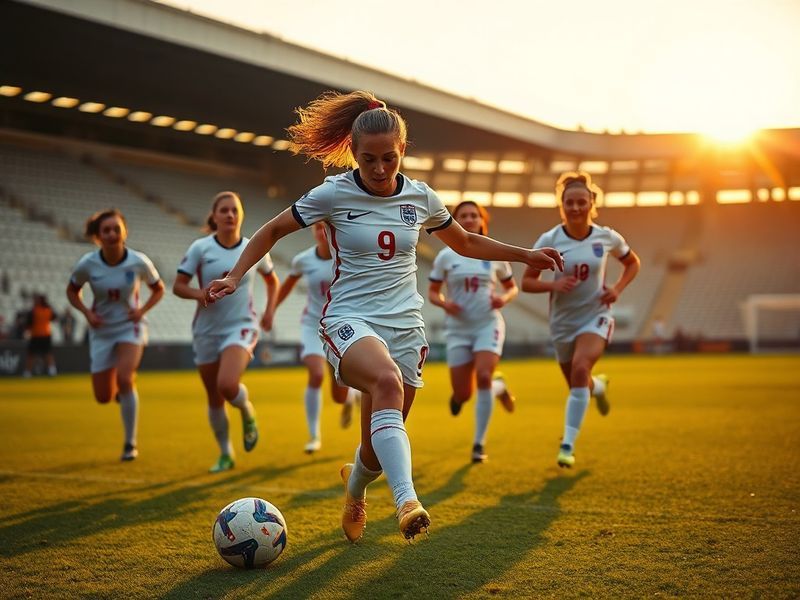
Leah Williamson stands as one of England’s most influential footballers of the past decade, a player whose leadership and technical ability have reshaped the women’s national team. As captain of the Lionesses since 2021, she has steered her country to unprecedented heights, culminating in the historic Euro 2022 victory on home soil. Her journey from a young Arsenal academy prospect to becoming a world-class midfielder and inspirational leader reflects both individual brilliance and the broader evolution of women’s football.
Williamson’s style is defined by her intelligence on the pitch, her ability to read the game, and her uncompromising physical presence. These qualities have made her a cornerstone of both club and country. Beyond her technical attributes, her composure under pressure and her role in fostering team unity have cemented her legacy as more than just a player—she is a symbol of progress in the sport.
The Rise of a Leader: From Arsenal Roots to England Captain
Born in Milton Keynes in 1997, Williamson joined Arsenal’s youth academy at the age of nine. Her development through the ranks mirrored Arsenal’s own journey, from a dominant domestic force to a club rebuilding under new ownership. By 2014, at just 17, she made her senior debut for Arsenal in the Women’s Super League (WSL), quickly establishing herself as a composed presence in midfield.
Her breakthrough came during the 2016–17 season when she became a regular starter. By 2018, she was named Arsenal captain, leading the team in the absence of senior players. That same year, she made her senior England debut, and within three years, she was handed the armband for the national team—a testament to her maturity and tactical awareness.
Williamson’s leadership style blends quiet authority with a fierce competitive spirit. She doesn’t rely on vocal outbursts or flashy gestures. Instead, she leads by example, controlling the tempo of play, breaking up opposition attacks, and dictating transitions with surgical precision. Her passing range, from short exchanges to raking 50-yard diagonals, allows her to transition defense into attack seamlessly.
This blend of skill and leadership has made her a rare breed in modern football—a player who can single-handedly influence a game while elevating those around her.
Euro 2022: Williamson and the Lionesses Rewriting History
The 2022 UEFA Women’s European Championship was a defining moment in Williamson’s career and for English women’s football. Hosted across nine cities in England, the tournament became a platform for the Lionesses to showcase their talent on the biggest stage. Williamson, at the helm, delivered performances of immense significance.
In the group stage, she marshaled a midfield that included Beth Mead, Fran Kirby, and Lauren Bronze, orchestrating a dominant display against Austria. Her defensive work rate and ability to recycle possession under pressure set the tone for England’s campaign. The quarter-final against Spain saw her marshal a tense 2–1 victory, with her positional discipline crucial in stifling a technically gifted opponent.
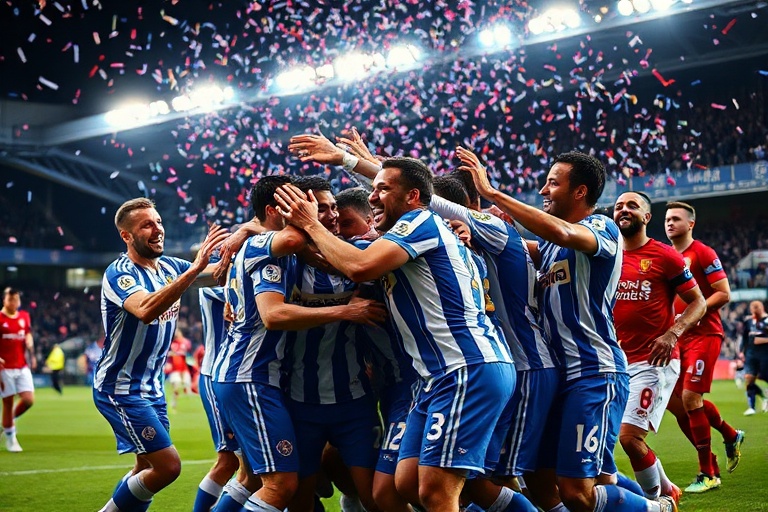
But it was the final against Germany—played before a sold-out crowd at Wembley—that cemented her legacy. England defeated Germany 2–1 after extra time, a result that ended a 56-year wait for a major trophy in women’s football. Williamson lifted the trophy, tears in her eyes, a moment that transcended sport and resonated across the nation.
Her post-match interview, where she spoke of the team’s journey and the importance of representation, highlighted her role not just as a captain, but as a voice for change. The victory sparked celebrations across the UK, with calls for greater investment in girls’ football and better visibility for women’s sport. Williamson, often described as the “glue” of the team, had delivered far more than points on the board—she had delivered a cultural shift.
Key Contributions During Euro 2022
- Tactical Anchor: Played every minute, completing over 90% of her passes in most games, and acting as the defensive shield in front of the back four.
- Leadership Under Pressure: Remained composed during penalty shootouts and tight encounters, embodying the team’s resilience.
- Inspirational Presence: Her demeanor on the pitch—calm, focused, and relentless—set the emotional tone for the entire squad.
- Media and Cultural Influence: Used her platform to advocate for equal pay, better facilities, and youth development programs in women’s football.
Beyond the Pitch: Williamson’s Impact on Women’s Football
Williamson’s influence extends beyond her performances. She has become a vocal advocate for gender equality in sport, using her platform to challenge systemic barriers. In interviews and public appearances, she has consistently highlighted the need for equal investment, better coaching standards, and improved pathways for young girls from underrepresented communities.
Her leadership style has also influenced how captaincy is perceived in women’s football. Unlike some traditional models of leadership—often characterized by aggression or overt authority—Williamson’s approach is rooted in collaboration, empathy, and mutual respect. This has redefined expectations for what a football captain can be: not just a warrior on the pitch, but a thoughtful architect of team culture.
Off the field, Williamson has partnered with organizations like the FA’s England DNA program, which focuses on developing young talent. She has also spoken openly about mental health, encouraging athletes to prioritize well-being alongside performance. In a sport often defined by physicality, her emphasis on holistic development has been refreshing and necessary.
Looking Ahead: The Future Under Williamson’s Leadership
As the Lionesses prepare for the 2023 FIFA Women’s World Cup in Australia and New Zealand, all eyes are on Williamson. The expectations are immense—not just to perform, but to inspire a new generation of players and fans. With a squad brimming with talent—including Lauren James, Alessia Russo, and Mary Earps—the stage is set for another historic campaign.
Williamson’s ability to elevate those around her will be critical. Her passing, vision, and positional sense make her the perfect metronome in a team capable of playing high-tempo, attacking football. But her greatest asset may be her presence in the dressing room, where her calm demeanor underpins the team’s collective ambition.
There are also broader implications. A strong World Cup showing could accelerate commercial growth for the women’s game, attract more sponsorship, and push governing bodies to invest further. Williamson, as the face of the team, will be at the center of this transformation.
The road ahead is challenging—no team has successfully defended a major trophy in women’s football in over two decades. But if anyone can lead England to that level of consistency and belief, it’s Williamson. Her journey from a nine-year-old Arsenal academy player to lifting the Euros as captain is a story of quiet determination, technical mastery, and unwavering leadership.
As football continues to evolve, Leah Williamson represents not just the future of the Lionesses, but the future of the sport itself—a future where skill, intelligence, and character matter more than stereotypes.
The question is no longer whether Williamson is a world-class player. It’s whether English football is ready for what comes next.