Smokey Bones’ Closures Signal End of an Era for Casual Dining
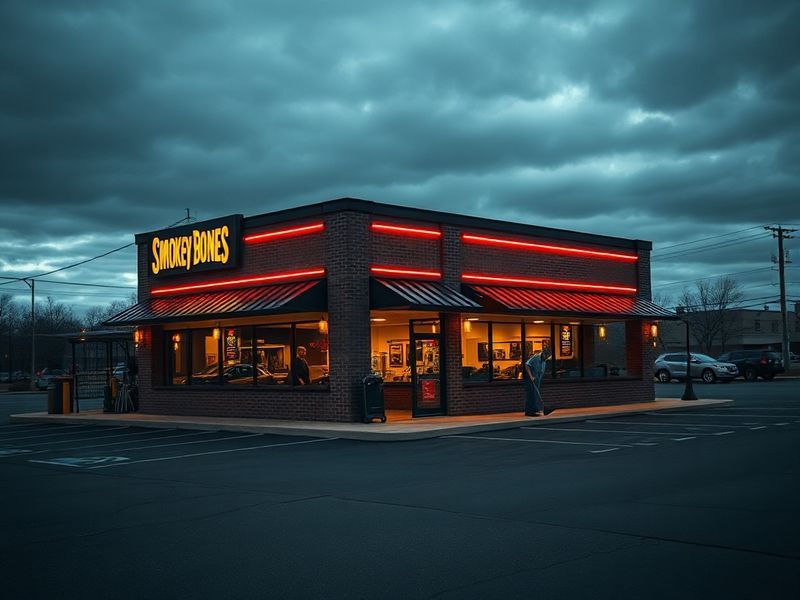
Smokey Bones, the once-popular American barbecue and sports grill chain, has quietly shuttered dozens of locations across the United States. The closures, which began in early 2023 and accelerated through 2024, mark the end of a 30-year run for a brand that once symbolized casual dining’s heyday. What started as a family-owned Florida barbecue pit in 1992 grew into a 65-location empire, only to collapse under the weight of shifting consumer habits, rising costs, and a post-pandemic dining landscape that left many legacy chains struggling.
The chain’s decline reflects broader challenges in the restaurant industry. Casual dining, once a staple of American social life, has faced declining foot traffic as delivery apps, ghost kitchens, and fast-casual competitors like Chick-fil-A and Texas Roadhouse redefine how people eat out. Smokey Bones’ troubles also highlight the difficulties of maintaining a middle-ground concept—neither fast enough for convenience nor upscale enough for premium dining experiences.
The Financial and Operational Factors Behind the Closures
The restaurant industry’s post-pandemic recovery has been uneven. While some chains thrived, others, like Smokey Bones, struggled with ballooning operational costs. The closure of 20 locations in 2023 was followed by another 15 in 2024, leaving only a skeleton crew of corporate-owned sites in markets like Orlando, Atlanta, and Dallas. Franchisees, who once saw Smokey Bones as a stable investment, cited unsustainable rent increases, labor shortages, and declining sales as key reasons for abandoning ship.
According to industry reports, Smokey Bones’ same-store sales dropped by nearly 12% in 2023, a trend that accelerated in 2024. The chain’s reliance on sports bar culture—once a winning formula—became a liability as fewer customers returned to dine-in experiences. While the brand attempted to pivot with delivery partnerships and limited-time offers, these efforts failed to offset the broader decline in casual dining traffic.
Here’s a breakdown of the closures by region:
- Southeast (FL, GA, NC): 18 locations closed, including all corporate-owned sites in Florida.
- Midwest (OH, IL, IN): 12 locations shut down, with most franchises exiting the market.
- Northeast (PA, NJ): 5 locations closed, leaving only one corporate-owned site in New Jersey.
- West Coast (CA, NV): 10 locations closed, with the remaining sites operating under new ownership.
The Cultural Legacy of Smokey Bones
Smokey Bones wasn’t just a restaurant; it was a cultural touchstone for generations of Americans. Founded by entrepreneur Jim Hahs, the chain became synonymous with game-day gatherings, family outings, and late-night barbecue cravings. Its menu—a mix of smoked meats, burgers, and sports bar staples—reflected a uniquely American dining ethos: hearty, affordable, and unpretentious.
Yet, as dining preferences evolved, Smokey Bones’ traditional model struggled to keep pace. The rise of food delivery apps like Uber Eats and DoorDash made casual dining less of a necessity and more of a luxury. Meanwhile, fast-casual chains offered healthier, more customizable options at similar price points. Smokey Bones’ attempt to modernize with a revamped menu in 2022 was met with mixed reviews, failing to attract younger diners who preferred Instagrammable meals over classic barbecue.
The chain’s sports bar identity also became a double-edged sword. While it drew crowds during major sporting events, it struggled to maintain consistent traffic on weeknights. The pandemic further disrupted this model, as lockdowns and social distancing norms made large, communal dining spaces less appealing. Even as restrictions lifted, lingering habits—like ordering takeout or cooking at home—kept pressure on chains like Smokey Bones.
What’s Next for the Brand and Its Former Locations?
With most Smokey Bones locations now closed, the brand’s future remains uncertain. The company has not announced a full dissolution, leaving open the possibility of a scaled-down rebranding effort. Some franchisees have reportedly explored selling their remaining sites to local operators, while others have rebranded under new concepts entirely.
For the communities that once hosted Smokey Bones, the closures leave a void. The chain was more than just a place to eat; it was a social hub, a venue for birthdays, graduations, and Super Bowl parties. Now, many of those spaces will be repurposed—some as ghost kitchens, others as fast-casual chains, and a few as residential or commercial developments.
The demise of Smokey Bones serves as a cautionary tale for legacy restaurant brands. In an era where convenience and customization reign supreme, traditional casual dining concepts must adapt or risk extinction. For now, the final chapter of Smokey Bones remains unwritten, but its legacy as a symbol of a bygone dining era is already set in stone.
As the restaurant industry continues to evolve, one question lingers: Will any casual dining chain be able to recapture the magic that once made Smokey Bones a household name?