The St. Louis Cardinals have long been a model franchise for consistency and development. With a farm system that consistently produces major league-ready talent and a front office unafraid to make bold moves, the organization is once again positioning itself as a contender. This season, the team’s strategic roster construction tells a compelling story of patience, adaptability, and foresight.
The Core Philosophy Behind STL Cardinals’ Player Development
At the heart of the Cardinals’ sustained success is their unwavering commitment to player development. Unlike franchises that chase splashy free agent signings, St. Louis has built its identity on cultivating talent from within. The team’s farm system, ranked among the best in baseball year after year, serves as the engine of this philosophy.
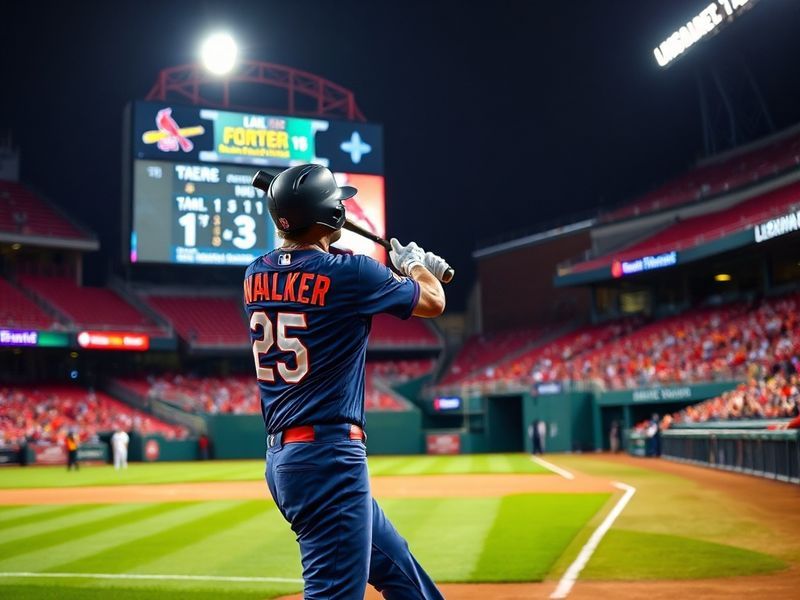
The Cardinals’ approach isn’t just about drafting high-ceiling prospects. It’s about refining raw talent into polished major leaguers. Players like Nolan Gorman and Jordan Walker emerged as stars not by accident, but through targeted coaching, advanced analytics, and a minor league infrastructure designed to simulate big-league pressure.
This developmental model extends beyond position players. Pitchers like Michael Wacha and Adam Wainwright benefited from the Cardinals’ patient approach, learning to refine their craft through incremental growth rather than forced promotions. The result is a pipeline that rarely dries up, ensuring the big-league club always has options when injuries or underperformance strike.
The Role of Analytics in Modern Cardinals Baseball
Analytics have become a cornerstone of the Cardinals’ decision-making process. The front office, led by President of Baseball Operations John Mozeliak, has embraced data-driven strategies to optimize roster construction. From defensive shifts to pitch sequencing, every decision is informed by metrics that go beyond traditional statistics.
One standout example is the team’s bullpen management. The Cardinals have consistently fielded one of the league’s most effective relief corps by leveraging advanced scouting reports and real-time performance data. Relievers like Ryan Helsley and Giovanny Gallegos thrive in high-leverage situations because their usage is dictated by analytics, not just intuition.
This blend of traditional scouting and modern analytics creates a competitive advantage. While other teams chase trends, the Cardinals refine their approach based on empirical evidence, giving them an edge in player evaluation and in-game strategy.
Key Moves That Defined the 2024 Offseason
The Cardinals’ 2024 offseason was defined by calculated risk-taking. The front office made several moves that addressed immediate needs while maintaining long-term flexibility. These transactions reflect a clear vision: build a core that can compete now without mortgaging the future.
Top Offseason Transactions and Their Impact
The Cardinals entered the offseason with clear priorities: strengthen the rotation, add depth to the bullpen, and solidify the infield. Here’s a breakdown of the most significant moves:
- Signing Steven Matz: The left-handed starter brought stability to a rotation that had relied heavily on young arms. Matz’s postseason experience added a veteran presence, which is invaluable in a tight division race.
- Acquiring Willson Contreras: The veteran catcher provided much-needed offensive production and leadership behind the plate. His pitch-framing skills also enhanced the Cardinals’ pitching staff.
- Trading for Miles Mikolas: A reunion with the homegrown starter brought depth and familiarity. Mikolas’ consistency in high-pressure situations made him a reliable option in the rotation.
- Re-signing Tyler O’Neill: The outfielder’s return bolstered the lineup with power and defensive prowess. His presence in left field stabilizes a position that had seen frequent turnover.
These moves weren’t just about filling holes. They were about acquiring players whose skill sets align with the Cardinals’ organizational philosophy. Contreras, for example, embodies the team’s emphasis on defense and game-calling, while Matz’s durability fits the Cardinals’ preference for pitchers who can handle heavy workloads.
The offseason also highlighted the team’s willingness to part with prospects when necessary. The trade that sent shortstop prospect Masyn Winn to the Miami Marlins in exchange for infielder Luis Arraez underscored the Cardinals’ commitment to winning now. Arraez’s contact skills and on-base ability instantly upgraded the top of the lineup, proving that the front office prioritizes competitive balance over long-term potential.
What’s Next for the STL Cardinals?
As the 2024 season unfolds, the Cardinals face both opportunities and challenges. The National League Central remains one of baseball’s most unpredictable divisions, with the Milwaukee Brewers and Cincinnati Reds both poised to challenge. The Cardinals’ ability to navigate this crowded landscape will depend on several factors.
Strengths and Weaknesses Heading Into the Season
The team’s biggest strength is its depth. Unlike some contenders that rely on a handful of stars, the Cardinals have a balanced roster where nearly every position is covered by a capable regular or platoon option. This versatility allows manager Oliver Marmol to deploy matchups effectively, keeping opponents off-balance.
However, questions linger about the starting rotation. While Matz and Mikolas provide stability, the back end of the rotation remains unproven. Young pitchers like Tink Hence and Cooper Hjerpe will need to step up if the Cardinals hope to contend for a division title. Injuries could also derail the season, as they have in past years.
Another area of concern is the bullpen. While Helsley and Gallegos anchor the unit, the Cardinals lack a dominant left-handed reliever. The front office addressed this by signing closer Alex Reyes to a minor league deal, but his effectiveness remains a question mark after multiple arm injuries.
The Path to the Postseason
For the Cardinals to return to the playoffs, they’ll need a combination of health, timely hitting, and strong pitching performances. The team’s offense, led by Paul Goldschmidt and Nolan Arenado, has the firepower to compete, but consistency is key. The middle of the lineup, particularly the right side of the infield, must produce at a high level.
Defensively, the Cardinals rank among the league leaders in defensive runs saved. This unit, anchored by Nolan Arenado at third base and Dylan Carlson in center field, provides a significant advantage. If the pitching staff can limit home runs and strand runners, the Cardinals will be in every game.
The Cardinals’ schedule also presents challenges. A strong early stretch against division rivals could set the tone for the season. Conversely, a slow start could force the team to play catch-up, increasing pressure on the rotation and bullpen.
Why the STL Cardinals Remain a Model Franchise
Beyond wins and losses, the Cardinals’ approach offers lessons for other organizations. Their ability to balance short-term success with long-term planning sets them apart in an era where teams often prioritize one over the other. The farm system, analytics department, and front office cohesion all contribute to a model that other franchises strive to replicate.
For fans, this means more than just hope for a championship. It means a team that values process as much as results. The Cardinals’ commitment to developing talent ensures that even in lean years, the future remains bright.
As the season progresses, the Cardinals will face their share of adversity. But if history is any indication, they’ll adapt, innovate, and find a way to compete. That’s the hallmark of a franchise built to last.
For more on the Cardinals’ farm system and how it compares to other organizations, visit Dave’s Locker Sports. To dive deeper into the analytics driving modern baseball decisions, check out Dave’s Locker Analysis.