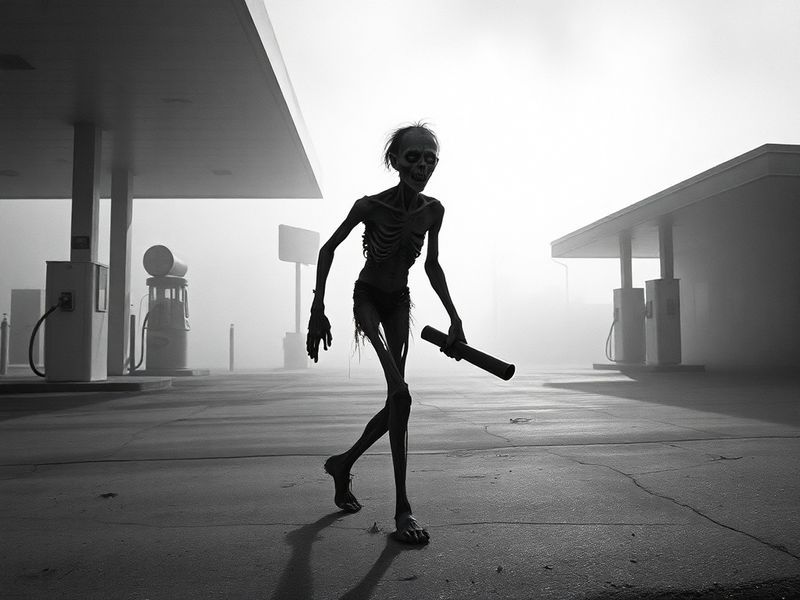
Few themes in global storytelling have endured as persistently as the undead walking among the living. This motif transcends geography, appearing in ancient myths, religious texts, and contemporary pop culture with remarkable consistency. What began as cautionary tales about death and the afterlife has evolved into a sprawling genre that reflects societal anxieties, technological fears, and the unending human fascination with immortality.
The concept of the undead isn’t monolithic. It encompasses vampires who retain humanity, zombies who embody mindless consumption, and ghosts who represent unresolved pasts. Each variation offers a different lens through which to examine human existence, mortality, and the boundaries between life and death. This adaptability explains why undead narratives continue to captivate audiences worldwide, from rural villages to metropolitan centers.
The Historical Roots of Undead Lore
Ancient civilizations laid the foundation for modern undead stories. In Mesopotamia, the Epic of Gilgamesh features Enkidu’s ghostly visit to the underworld, one of humanity’s earliest written encounters with the restless dead. Chinese traditions speak of jiangshi, reanimated corpses that hop due to rigor mortis, often depicted as mindless but disciplined creatures controlled by Taoist priests.
European folklore provides particularly rich soil for undead narratives. Slavic cultures feared the upir, while Scandinavian legends told of draugr—supernaturally strong corpses that guarded their burial mounds. Medieval Christian Europe transformed these beliefs into warnings about heresy and damnation, with vampires emerging as aristocratic predators in Eastern European tales like Carmilla and Dracula.
These stories weren’t merely entertainment. They served as moral instruction, explaining plagues, sudden deaths, and other unexplained phenomena. The undead walking became metaphors for societal corruption, unchecked ambition, and the dangers of defying natural order.
Modern Manifestations Across Continents
The 20th century saw undead narratives transform into global phenomena. Japanese horror cinema introduced audiences to Ju-on‘s vengeful spirits and Noroi‘s slow-burn supernatural dread, while Korean cinema contributed A Tale of Two Sisters and The Wailing, blending folklore with psychological horror.
Africa’s contributions to undead mythology remain underrepresented in Western media but equally compelling. Nigerian juju traditions feature Adze, a shapeshifting vampire that takes human form by day and firefly form by night. South African tokoloshe stories warn of a small, gremlin-like creature sent by witches to torment victims. These narratives often carry post-colonial significance, representing both ancestral connections and the trauma of forced labor systems.
Latin America’s undead traditions uniquely blend indigenous beliefs with Catholic imagery. La Llorona, the weeping ghost who drowned her children, appears in Mexican and Southwest U.S. folklore as a caution against motherhood outside marriage. Brazilian cuca and Argentine lobisomem (werewolf) stories reflect the region’s diverse cultural heritage, from Portuguese settlers to African slaves to indigenous populations.
Key Global Undead Traditions
- China: Jiangshi (hopping vampires) controlled by Taoist priests
- Japan: Yūrei (ghosts with grudges) often wearing white burial kimonos
- West Africa: Adze (shapeshifting vampires) with firefly transformations
- Slavic Europe: Upyr and strigoi (undead revenants with supernatural strength)
- Native American: Skinwalkers in Navajo tradition, dangerous shapeshifters
- Caribbean: Soucouyant (vampire-witch hybrids) who drain victims’ blood
Why the Undead Walking Endures in Popular Culture
The undead’s persistent appeal lies in its versatility. Zombies, in particular, have become blank canvases for societal critique. George A. Romero’s Night of the Living Dead (1968) transformed zombies from voodoo slaves into mindless consumers, reflecting Cold War anxieties about conformity. 28 Days Later (2002) reimagined them as victims of rage virus, critiquing modern pandemics. Train to Busan (2016) used the zombie trope to explore class divisions in South Korean society.
Television has embraced undead narratives with equal fervor. American shows like The Walking Dead and The Strain focus on survival narratives and supernatural conspiracies, respectively. British series In the Flesh offers a poignant exploration of zombie reintegration into society, while South Korea’s Kingdom blends historical drama with zombie horror against a Joseon Dynasty backdrop.
Video games have elevated undead storytelling to interactive experiences. The Last of Us series examines human relationships amid a fungal zombie apocalypse, while Bloodborne reimagines Lovecraftian horror with Victorian-era undead. Japanese games like Resident Evil and Silent Hill use undead creatures to explore psychological trauma and environmental decay.
The Undead as Cultural Mirror
Each era’s undead narratives reveal its deepest fears. The 1950s atomic-age zombies reflected nuclear anxiety. 1980s slashers like Return of the Living Dead critiqued consumerism and unchecked capitalism. Post-9/11 narratives like 28 Weeks Later examined societal breakdown and governmental failure.
Contemporary undead stories increasingly address climate change and pandemics. The Girl with All the Gifts presents a fungal zombie outbreak as a metaphor for environmental collapse. Station Eleven uses a zombie-like pandemic to explore art’s role in human connection during societal collapse. These narratives force audiences to confront uncomfortable truths about humanity’s relationship with nature and technology.
The undead walking also serves as a commentary on immigration and cultural exchange. Get Out (2017) uses hypnosis and body-snatching to critique racial appropriation. Annihilation (2018) features a shimmering zone where DNA mutates unnaturally, reflecting fears about genetic engineering and ecological imbalance. These stories suggest that the undead may not be external threats but manifestations of our own transformed selves.
Emerging Trends in Undead Narratives
- Climate Fiction: Undead stories increasingly tied to environmental collapse and resource scarcity
- Psychological Horror: Focus on mental illness and trauma rather than external monsters
- Diverse Representation: Non-Western undead traditions gaining mainstream recognition
- Interactive Storytelling: Video games and AR experiences creating immersive zombie scenarios
- Social Commentary: Undead as metaphors for systemic oppression and inequality
Conclusion: The Undead as Eternal Companions
The undead walking persists because death remains humanity’s most universal experience. These stories evolve with each generation, reflecting current anxieties while maintaining ancient archetypes. From African trickster vampires to Korean political zombies, each culture’s undead embodies its unique relationship with mortality, memory, and the unknown.
What makes undead narratives particularly compelling is their refusal to stay fixed. A vampire can be aristocratic or diseased, a ghost can be tragic or vengeful, a zombie can be fast or slow, intelligent or instinctual. This fluidity ensures that undead stories will continue to haunt our collective imagination, adapting to new fears while retaining their ancient power.
Perhaps most significantly, undead narratives offer a form of catharsis. By confronting death and the unknown in controlled fictional spaces, audiences process real-world anxieties. Whether through a Japanese ghost story or a Brazilian vampire tale, these narratives remind us that while death may be inevitable, the stories we tell about it give shape to our fears and hopes for eternity.