The Stallion: Power, Legacy, and Cultural Impact Explored
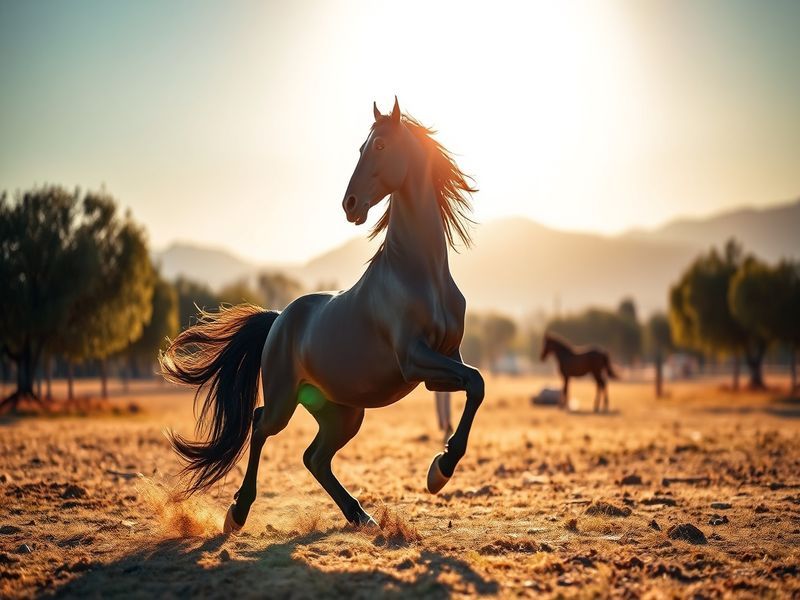
The stallion represents one of the most compelling figures in the animal kingdom—a symbol of strength, nobility, and untamed energy. Unlike mares, which are often associated with nurturing and stability, stallions embody raw power and leadership. Their role in breeding programs has shaped equine genetics for centuries, while their presence in competitive arenas continues to captivate audiences worldwide.
From ancient battlefields to modern equestrian sports, the stallion’s influence extends far beyond the stable. This article explores the multifaceted nature of stallions, examining their biological uniqueness, historical significance, and contemporary relevance in sport and culture. By understanding what sets them apart, we gain insight into why they remain an enduring symbol of excellence.
The Biological and Behavioral Traits of Stallions
Stallions are mature male horses, typically over four years old, distinguished by their physical robustness and hormonal drive. Unlike geldings (castrated males), stallions retain their natural aggression and territorial instincts, which can be both an advantage and a challenge in management. Their testosterone levels peak during breeding season, often leading to heightened vocalizations—known as “neighing” or “whinnying”—and displays of dominance.
One of the most fascinating aspects of stallion behavior is their hierarchical nature. In wild herds, a single dominant stallion protects and mates with a group of mares, ensuring the survival of his genetic line. This protective instinct is so strong that stallions have been observed fending off predators, including wolves and even bears, to safeguard their herd. Domestication has somewhat altered these dynamics, but the core traits remain evident in competitive and breeding settings.
Physically, stallions are often larger and more muscular than mares, with broader chests and more pronounced necks. Breeds like the Arabian, Thoroughbred, and Quarter Horse frequently produce stallions prized for both speed and stamina. Their genetic contributions have led to some of the most celebrated bloodlines in horse racing, including the legendary Secretariat and Man o’ War.
Historical Significance: Stallions in Warfare and Culture
For thousands of years, stallions have been the preferred mounts of warriors and rulers. Their combination of speed, strength, and endurance made them ideal for cavalry units across civilizations. The Nisean horse of ancient Persia, for example, was renowned for its swiftness and was often depicted in royal art. Similarly, the Andalusian stallions of Spain became the foundation of European war horses during the Middle Ages.
In Eastern cultures, stallions held symbolic importance as well. The Chinese revered the “Celestial Horse” during the Han Dynasty, believing these animals were gifts from the gods. Meanwhile, in Mongolian tradition, the stallion was—and still is—a central figure in the culture’s nomadic lifestyle, providing both transportation and sustenance. The Mongolian horse, though small in stature, is incredibly hardy and was essential to Genghis Khan’s conquests.
The transition from warhorse to sporting champion began in the 18th and 19th centuries, as horse racing and polo gained popularity. Stallions like Eclipse, an undefeated 18th-century Thoroughbred, became household names, their progeny shaping the future of the sport. Today, stallions continue to dominate elite competitions, from the Kentucky Derby to international show jumping events.
Stallions in Modern Sport and Breeding
In competitive sports, stallions are often the stars of the show, whether in flat racing, steeplechasing, or dressage. Their competitive drive and natural athleticism make them formidable opponents. For instance, the stallion Frankel, undefeated in 14 races, is considered one of the greatest racehorses of all time. His offspring have gone on to win major races, proving that his genetic legacy is as powerful as his performances on the track.
Breeding programs rely heavily on stallions to improve breed standards. A top-performing stallion can command staggering stud fees—some exceeding $100,000 per live foal. The stallion Tapit, for example, has sired over 1,000 winners, including the 2020 Kentucky Derby victor, Tiz the Law. His influence on the Thoroughbred industry is undeniable, as breeders prioritize mares that carry his bloodline.
However, managing a stallion is not without challenges. Their aggressive tendencies require experienced handlers and strict training protocols. Many stallions are turned out in paddocks to maintain their mental well-being, while others are kept in controlled environments to prevent injuries. The balance between harnessing their natural abilities and ensuring their welfare is a constant consideration for trainers and owners.
- Top Stallion Breeds in Modern Sport:
- Thoroughbred: Dominates horse racing with stallions like Justify and American Pharoah.
- Arabian: Known for endurance and elegance, often seen in endurance racing.
- Quarter Horse: Excels in sprinting and rodeo events like barrel racing.
- Warmbloods (Dutch, Hanoverian, Oldenburg): Preferred in Olympic-level show jumping and dressage.
The Stallion in Art, Myth, and Symbolism
Beyond their physical prowess, stallions have left an indelible mark on human creativity and mythology. In Greek mythology, the winged stallion Pegasus symbolized freedom and inspiration, born from the blood of Medusa. Norse legends featured the eight-legged stallion Sleipnir, ridden by Odin, representing speed and the unseen world. These stories highlight the stallion’s association with power, transcendence, and the untamed forces of nature.
Artists throughout history have immortalized stallions in paintings, sculptures, and literature. The equestrian statues of Marcus Aurelius and the Bayeux Tapestry’s depictions of Norman horses are testaments to the stallion’s enduring presence in human culture. Even in modern media, stallions like Spirit (from Spirit: Stallion of the Cimarron) and Shadowfax (from The Lord of the Rings) embody noble and almost mythic qualities.
The stallion’s symbolism extends to contemporary branding as well. From the Ferrari prancing horse logo to the Budweiser Clydesdales, these animals are used to convey strength, prestige, and tradition. Their image is often leveraged in marketing to evoke qualities like speed, reliability, and luxury.
Challenges and Ethical Considerations in Stallion Management
While stallions are celebrated for their abilities, their management raises important ethical questions. The practice of “overbreeding,” where stallions are overused in reproductive programs, can lead to health issues and reduced genetic diversity. Welfare organizations, such as the World Horse Welfare, advocate for stricter regulations to ensure stallions are not exploited for profit.
Another concern is the treatment of retired stallions. Not all achieve fame like Frankel or Tapit, and many end up in auctions or slaughter pipelines. Organizations like the Retired Racehorse Project work to rehome former stallions, emphasizing their potential in second careers such as trail riding, therapy work, or even competitive sports like eventing.
Advancements in veterinary science have also improved stallion care. Techniques like artificial insemination and embryo transfer allow breeders to preserve genetic lines without overworking individual animals. Additionally, behavioral training methods have evolved to help stallions channel their energy positively, reducing stress and aggression.
Conclusion: The Stallion’s Timeless Appeal
The stallion remains a figure of fascination, embodying a blend of natural power and human ambition. Whether as a warhorse, a race champion, or a cultural icon, its legacy is woven into the fabric of history. In an era where technology and tradition often clash, the stallion serves as a reminder of the deep connection between humans and animals.
As breeding programs and sporting events continue to evolve, the stallion’s role may shift, but its essence will endure. For breeders, trainers, and enthusiasts, the challenge lies in balancing exploitation with respect, ensuring that these magnificent creatures are celebrated for more than just their achievements—they are living symbols of a bond that has lasted millennia.
For those interested in exploring more about equine culture, visit our Horse Racing and Equestrian category pages to dive deeper into the world of horses.