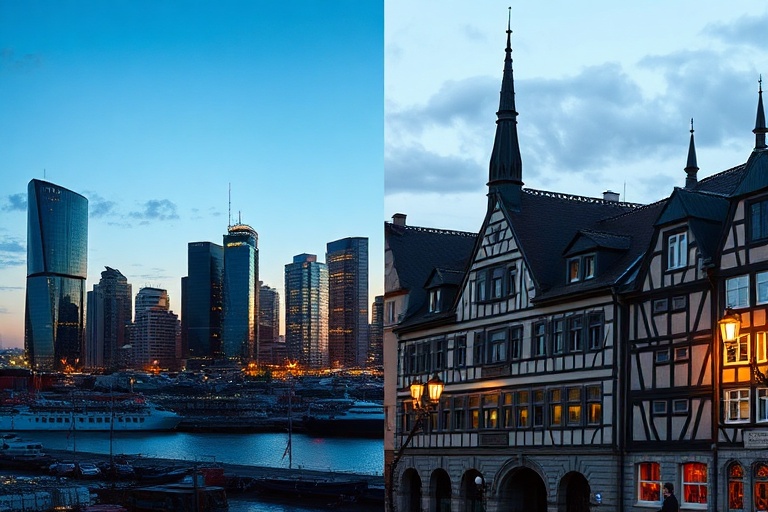
Brest vs Strasbourg: Two French Football Cities in Contrast
Football in France is more than just a sport—it’s a cultural tapestry woven with regional pride, historical rivalries, and passionate fanbases. Two cities that embody this spirit are Brest and Strasbourg, each offering a unique footballing identity that extends far beyond the pitch. While both clubs compete in Ligue 1, their stories diverge in fascinating ways, reflecting broader themes of identity, resilience, and community.
Brest, located in Brittany, and Strasbourg, the capital of the Alsace region, represent distinct linguistic, historical, and cultural divides within France. Their football clubs, Stade Brestois 29 and Racing Club de Strasbourg Alsace, serve as ambassadors for their cities, carrying the hopes and dreams of locals who see the game as an extension of their regional pride. This contrast makes their encounters more than just matches—they are cultural exchanges.
The Historical Roots of Brest and Strasbourg Football
Stade Brestois 29 was founded in 1950, though its origins trace back to the early 20th century with clubs like Armorique de Brest. The modern iteration of the club emerged from a merger, and by the 1980s, Brest had established itself as a Ligue 1 mainstay. The club’s journey has been marked by financial struggles and relegations, yet it has always found a way to rebuild, earning a reputation as a resilient underdog.
Strasbourg, on the other hand, has a deeper footballing pedigree. Racing Club de Strasbourg Alsace was founded in 1906 when the city was part of the German Empire, and its history is intertwined with the region’s complex political past. The club has experienced highs and lows, including a period of dominance in the 1970s when it won the French league title and Coupe de France. Strasbourg’s identity is shaped by its position on the border, a melting pot of French and German influences that extend to its football culture.
These historical foundations set the stage for their modern rivalry. Brest’s underdog story contrasts with Strasbourg’s more established presence, yet both clubs share a commitment to their communities, often relying on local talent to fuel their ambitions.
Cultural Identity and Football: A Regional Perspective
Football in France is deeply tied to regional identity, and Brest and Strasbourg are prime examples. Brittany, where Brest is located, has a strong Celtic heritage, and its football culture reflects this. The club’s fanbase is known for its fervent support, often singing in Breton, the region’s Celtic language, and displaying flags and symbols that celebrate Breton identity. For many fans, supporting Brest is a way to assert their distinct cultural heritage within the French Republic.
Strasbourg’s identity is equally complex. Alsace has historically been a crossroads of French and German cultures, and this duality is reflected in the city’s football club. The club’s nickname, Les Bleus, pays homage to the French national team, but its fan culture incorporates elements of German football traditions, such as organized ultras and choreographed displays. The Alsatian dialect, a Germanic language, is also celebrated in the stands, adding another layer to the club’s unique identity.
When these two clubs face off, it’s not just a match—it’s a clash of cultural narratives. Brest represents the Celtic fringe of France, while Strasbourg embodies the borderland’s hybrid identity. Their encounters are a reminder that football in France is not a monolith but a mosaic of regional stories.
On the Pitch: Tactical and Athletic Contrasts
Tactically, Brest and Strasbourg often approach the game differently, reflecting their respective philosophies and resources. Brest, operating on a tighter budget, tends to prioritize physicality and defensive solidity. The club’s style under manager Eric Roy has emphasized counter-attacking football, relying on quick transitions and set-piece prowess to grind out results. This approach has made Brest a formidable home team, particularly at the Stade Francis-Le Blé, where the crowd’s intensity amplifies the players’ efforts.
Strasbourg, meanwhile, has experimented with a more possession-based style under managers like Frédéric Antonetti. The club’s recent investments in young talent and experienced veterans have allowed it to play a more technical and fluid brand of football. Strasbourg’s home ground, the Stade de la Meinau, is known for its electric atmosphere, with fans creating a cauldron that often propels the team to victory.
The contrast in styles makes their matches intriguing. Brest’s pragmatic approach clashes with Strasbourg’s more expansive play, creating tactical battles that appeal to fans of both footballing philosophies. Over the years, their head-to-head record has been closely contested, with neither club able to establish a clear dominance.
Fan Culture and Community Impact
The fan cultures of Brest and Strasbourg are as distinct as their cities. Brest’s supporters are known for their loyalty and creativity, often traveling in large numbers to away games despite financial constraints. The club’s ultras, such as the Brest Gallos, are renowned for their vocal support and choreographed displays, which often incorporate Breton symbols and slogans. For these fans, football is a way to preserve and promote their cultural heritage.
Strasbourg’s fanbase is equally passionate but operates within a different cultural context. The club’s ultras, including groups like the Ultra Boys, are known for their intense loyalty and sometimes controversial displays. The club’s fan culture is influenced by both French and German traditions, creating a unique blend of chants, pyrotechnics, and fan-owned initiatives. Strasbourg’s supporters have also been at the forefront of social causes, using the club’s platform to advocate for local issues and community projects.
Both clubs play a vital role in their communities beyond football. Brest, for example, runs numerous social programs aimed at youth development, while Strasbourg has initiatives focused on integrating refugees and promoting cultural diversity. These efforts highlight how football clubs in France serve as hubs for social cohesion and local pride.
Global Perspectives: How French Football is Changing
From a global perspective, the stories of Brest and Strasbourg reflect broader trends in French football. Ligue 1 has long been overshadowed by the financial power of clubs like Paris Saint-Germain, but clubs like Brest and Strasbourg are proving that passion and smart management can compete with the giants. Their success is part of a larger movement in European football, where smaller clubs are finding innovative ways to sustain themselves financially while remaining competitive.
Both clubs have also benefited from France’s investment in youth academies. Brest’s academy has produced talents like Gaëtan Charbonnier, while Strasbourg’s youth system has nurtured players like Jean-Eudes Aholou. These academies are not just about producing professional footballers—they are about fostering community ties and providing opportunities for young people in regions that often feel overlooked by the national narrative.
Moreover, the rise of women’s football in France has also impacted clubs like Brest and Strasbourg. Both have invested in their women’s teams, reflecting a growing recognition of the sport’s potential to engage new audiences and drive social change. This shift aligns with France’s broader efforts to promote gender equality in sports and society.
Key Takeaways from the Brest vs Strasbourg Rivalry
- Cultural Pride: Both clubs are deeply tied to their regional identities, whether Breton, Alsatian, or French.
- Resilience: Brest’s underdog story contrasts with Strasbourg’s more established history, yet both clubs have shown remarkable resilience in the face of adversity.
- Tactical Diversity: Brest’s pragmatic style clashes with Strasbourg’s more technical approach, creating fascinating tactical battles.
- Community Impact: Both clubs play a vital role in their communities, using football as a tool for social cohesion and youth development.
- Global Relevance: Their stories reflect broader trends in European football, where smaller clubs are finding innovative ways to compete and thrive.
Conclusion: More Than Just a Match
The rivalry between Brest and Strasbourg is more than just a footballing contest—it’s a reflection of France’s diverse cultural and historical landscape. These clubs embody the spirit of their regions, from Brittany’s Celtic roots to Alsace’s hybrid identity, and their matches are a celebration of what makes French football unique.
For fans, these games are a chance to assert their regional pride and connect with a shared passion. For the clubs, they represent an opportunity to showcase their resilience, creativity, and commitment to their communities. And for observers, they offer a glimpse into the rich tapestry of French culture, where football is more than just a sport—it’s a way of life.
As Ligue 1 continues to evolve, clubs like Brest and Strasbourg remind us that football’s true beauty lies in its ability to bring people together, regardless of their backgrounds or circumstances. Their stories are a testament to the power of the game to inspire, unite, and transcend boundaries.
For those looking to explore more about the cultural and sporting landscapes of France, check out our Sports and Culture sections for deeper insights into the stories shaping the nation.