Victory Day: History, Traditions, and Cultural Significance Explained
Victory Day stands as a profound testament to resilience, sacrifice, and the enduring power of collective memory. Observed in various forms around the world, this day marks the commemoration of military triumphs that reshaped nations and secured peace. For many countries, it represents the end of prolonged conflicts that tested the very fabric of society. The significance of Victory Day extends beyond mere celebration; it serves as a reminder of the cost of war and the value of freedom.
While the origins and traditions of Victory Day vary by nation, its core purpose remains consistent: to honor those who fought for victory and to ensure their legacy endures. From the vibrant parades in Moscow to the solemn ceremonies in Washington, D.C., the observance of Victory Day reflects diverse cultural expressions of gratitude and remembrance. This article explores the historical roots, modern observances, and the deeper cultural significance of Victory Day across different regions.
The Historical Roots of Victory Day
Victory Day traces its origins to pivotal moments in 20th-century history, particularly the conclusion of World War II. In Europe, May 8, 1945, is widely recognized as V-E Day (Victory in Europe Day), marking Germany’s unconditional surrender to the Allied forces. This day symbolized the defeat of Nazi tyranny and the restoration of peace in a continent ravaged by war. Similarly, in the Soviet Union and many Eastern European nations, May 9 is celebrated as Victory Day, commemorating the surrender of Nazi Germany on May 9, 1945, due to time zone differences in the announcement.
The end of the war in the Pacific came later that year, with Japan’s surrender on September 2, 1945, following the atomic bombings of Hiroshima and Nagasaki. This date is observed as V-J Day (Victory over Japan Day) in the United States and other Allied nations. The dual observances of V-E Day and V-J Day highlight the global scale of the conflict and the collaborative efforts that led to its resolution. These historical milestones are etched into the collective consciousness of nations, serving as foundational moments for Victory Day commemorations.
Beyond World War II, Victory Day is also associated with other significant conflicts. For instance, India and Pakistan observe Victory Day on December 16 to commemorate the 1971 Indo-Pakistani War, which resulted in the creation of Bangladesh. Each iteration of Victory Day reflects the unique historical narratives of the nations that celebrate it, underscoring the diverse ways in which societies choose to remember their past.
Modern Observances and Traditions
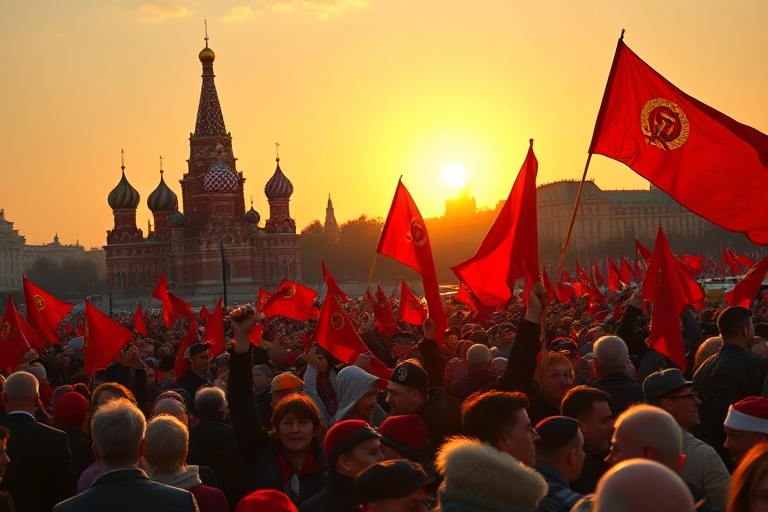
Today, Victory Day is marked by a variety of observances that blend solemnity with celebration. Military parades are a cornerstone of many commemorations, particularly in Russia, China, and former Soviet states. These parades feature elaborate displays of weaponry, troops in ceremonial dress, and flyovers by military aircraft. In Russia, the Victory Day parade on Moscow’s Red Square is one of the most iconic, drawing thousands of spectators and international dignitaries. The parade not only honors veterans but also serves as a demonstration of national strength and unity.
In Western nations like the United Kingdom and the United States, Victory Day observances often take a more subdued tone. Memorial services, wreath-laying ceremonies, and moments of silence are common, reflecting the solemnity of remembrance. The History section on Dave’s Locker highlights the importance of preserving these traditions for future generations. For many families, Victory Day is also a time to reconnect with aging veterans, sharing stories and expressing gratitude for their service.
The observance of Victory Day has evolved over time, incorporating modern elements while preserving its historical essence. In recent years, digital platforms have played a larger role in commemorations, with virtual memorials, online tributes, and social media campaigns amplifying the reach of these events. This adaptation ensures that the stories of those who fought for victory continue to resonate with younger generations.
Key Elements of Victory Day Celebrations
- Military Parades: Featuring troops, equipment, and flyovers to showcase national strength.
- Memorial Services: Including wreath-laying ceremonies and moments of silence to honor fallen soldiers.
- Veteran Reunions: Gatherings that allow veterans to share their experiences and receive recognition.
- Educational Programs: School events and public exhibitions that teach the historical significance of Victory Day.
- Cultural Events: Concerts, film screenings, and art exhibitions that celebrate the arts and humanities inspired by victory.
The Cultural Significance of Victory Day
Victory Day is more than a historical marker; it is a cultural touchstone that shapes national identity. For many countries, the day reinforces a sense of unity and shared purpose, particularly in the face of contemporary challenges. In Russia, Victory Day is a unifying force, transcending political divisions to celebrate a collective triumph. The day is deeply embedded in the national psyche, with its symbols—such as the St. George’s Ribbon—appearing prominently in public spaces and media.
In the United States, Victory Day observances often emphasize the country’s role as a global leader in promoting democracy and freedom. The narratives surrounding World War II in American culture frequently highlight themes of resilience and sacrifice, as seen in films, literature, and public discourse. These stories serve as a reminder of the nation’s capacity to overcome adversity and emerge stronger.
For post-colonial nations like India, Victory Day commemorations carry additional layers of meaning. The 1971 war and its outcome are seen as a validation of self-determination and the struggle against oppression. The day thus becomes a celebration of national identity and sovereignty, reinforcing the values of justice and freedom.
The cultural significance of Victory Day is also reflected in its influence on art, music, and literature. Composers like Dmitri Shostakovich and poets like Anna Akhmatova have immortalized the spirit of victory in their works, capturing the emotional weight of the era. These artistic expressions ensure that the memory of victory transcends generations, keeping the lessons of the past alive.
Challenges and Criticisms
Despite its widespread observance, Victory Day is not without controversy. In some nations, the day has become politicized, with governments using it to promote nationalistic agendas. Critics argue that certain interpretations of Victory Day may oversimplify complex historical events or gloss over the human cost of war. For instance, the glorification of military victory in some parades can overshadow the devastating consequences of conflict.
Another challenge lies in ensuring that Victory Day remains relevant to younger generations. As the number of living veterans dwindles, there is a risk that the day’s significance could fade. This concern has led to increased efforts to educate youth about the historical events being commemorated. Schools and museums are incorporating interactive exhibits and digital archives to engage younger audiences and foster a deeper understanding of Victory Day’s importance.
Additionally, Victory Day observances can sometimes exclude certain groups, such as civilian victims of war or marginalized communities affected by the conflicts. This exclusion can undermine the inclusivity of commemorations and limit their broader impact. Addressing these issues requires a nuanced approach that acknowledges diverse perspectives and ensures that Victory Day remains a day of reflection for all.
Looking Ahead: The Future of Victory Day
The future of Victory Day lies in its ability to adapt to changing societal values and technological advancements. As societies evolve, so too must the ways in which they commemorate historical events. Virtual reality (VR) and augmented reality (AR) offer new possibilities for immersive storytelling, allowing users to experience historical moments firsthand. These technologies could revolutionize Victory Day observances, making them more interactive and accessible.
Another promising development is the growing emphasis on intergenerational dialogue. By encouraging veterans to share their stories with younger generations, Victory Day can become a bridge between past and present. Initiatives like the Education programs on Dave’s Locker can play a crucial role in fostering these connections, ensuring that the lessons of history are not forgotten.
Ultimately, Victory Day’s enduring relevance depends on its ability to evolve while preserving its core message: that peace is precious and must be cherished. As long as nations continue to grapple with the legacies of war, Victory Day will remain a vital reminder of the sacrifices made to secure a better future. By honoring the past and learning from it, societies can ensure that the spirit of victory is not just celebrated, but also understood and internalized.
Conclusion
Victory Day is a multifaceted observance that encapsulates history, culture, and national identity. From its historical roots in the aftermath of World War II to its modern adaptations, the day serves as a powerful reminder of the costs of war and the value of peace. While challenges remain in ensuring its continued relevance, the adaptability of Victory Day observances offers hope for the future. By embracing new technologies and fostering intergenerational dialogue, societies can keep the spirit of victory alive for generations to come. As we reflect on the past, we are reminded of the enduring human capacity for resilience, sacrifice, and hope.