Asiago Cheese: History, Varieties and Global Influence Explained
“`html
Asiago Cheese: From Alpine Pastures to Global Kitchens
Asiago cheese carries more than just flavor—it carries centuries of tradition, geography, and craftsmanship. Born in the rugged peaks and rolling hills of the Veneto and Trentino regions of northern Italy, this cheese has journeyed from local dairy stalls to gourmet kitchens worldwide. Its evolution reflects broader trends in food production, trade, and cultural exchange across Europe and beyond.
The story of Asiago begins not in supermarkets, but in the mountain meadows where cows graze on wild herbs and alpine grasses. These pastures, high above sea level, impart a unique terroir to the milk used in production. The result is a cheese with a profile as layered as the landscape itself—earthy, nutty, and subtly sweet, with a texture that can range from soft and creamy to hard and crystalline depending on aging.
The Origins and Protected Legacy of Asiago
Asiago’s roots stretch back to the 10th century, when shepherds in the Asiago Plateau began crafting cheese from sheep’s milk. Over time, cow’s milk became the standard, and the cheese evolved in form and function. By the 15th century, Asiago had gained recognition as a prized product among Venetian nobility and merchants.
Its legacy was formally cemented in 1979 with the establishment of Denominazione di Origine Protetta (DOP) status. This European Union certification ensures that only cheese produced in designated areas using traditional methods can bear the Asiago name. Today, the DOP designation protects not just a product, but a cultural identity—one tied to specific provinces, breeds of cattle, and artisanal practices.
The protected zones include the provinces of Vicenza and Trento, where the climate, soil, and grazing patterns remain closely regulated. This geographic anchoring makes Asiago more than a commodity; it’s a living link to Italy’s rural heritage.
Key Characteristics of Asiago Varieties
Asiago is not a single cheese, but a family of styles defined by aging and milk type. The two main categories are:
- Asiago Pressato (Fresh Asiago): Aged for at least 20 days, this version is soft, moist, and mild. It’s often used in sandwiches, pasta dishes, and as a table cheese.
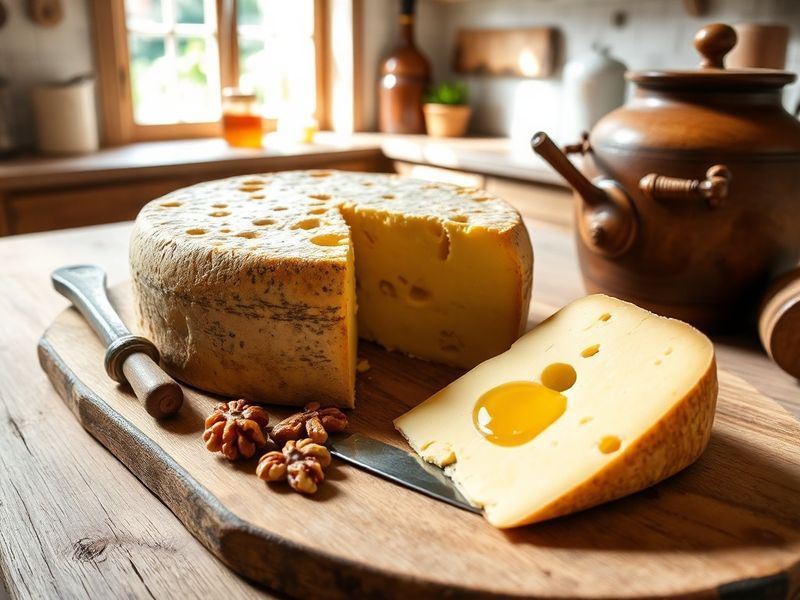
- Asiago d’Allevio (Medium Asiago): Aged between 3 and 8 months, it develops a firmer texture and richer flavor with hints of caramel and toasted nuts.
- Asiago Vecchio (Aged Asiago): Aged over 10 months, it becomes hard and granular, ideal for grating over soups, risottos, and gratins.
- Asiago Mezzano (Semi-Aged Asiago): Balances creaminess and crunch, aged between 4 and 6 months, often used in cheese boards.
The diversity within the Asiago family allows it to adapt to countless culinary applications—from the simplest snack to the centerpiece of a refined meal.
From Italian Alps to International Tables
Asiago’s migration beyond Italy began in earnest during the 20th century, as Italian immigrants carried their culinary traditions to North and South America. Cities like New York, Buenos Aires, and São Paulo became new homes for Asiago production, though often under modified conditions.
In the United States, Wisconsin—a state known for its dairy culture—has become a major producer of Asiago-style cheese. While not DOP-certified, these American versions often mimic the original using local cow’s milk and similar aging techniques. This adaptation highlights how traditional foods evolve when transplanted, blending authenticity with innovation.
In Europe, Asiago enjoys protected status, but in global markets, it competes with a growing array of Italian-style cheeses. The challenge for producers is maintaining quality while meeting demand. The rise of artisanal cheese movements has helped preserve traditional methods, with small dairies in Italy and abroad focusing on small-batch, high-quality Asiago.
Culinary Versatility Across Continents
Asiago’s adaptability has made it a favorite in diverse cuisines:
- Italy: Grated over fresh pasta like bigoli, melted into risotto, or served with polenta and radicchio in the Veneto region.
- United States: A staple in Wisconsin-style sandwiches, melted into burgers, or used in macaroni and cheese with a gourmet twist.
- Brazil: Incorporated into pão de queijo variations or served with dulce de leche on artisanal bread.
- Japan: Featured in fusion dishes like Asiago-topped udon or as a garnish in modern izakaya fare.
Its balanced flavor profile—neither too sharp nor too mild—makes it a bridge between simple comfort food and haute cuisine. Chefs in fine dining restaurants increasingly use aged Asiago in place of Parmigiano-Reggiano for its depth and complexity, especially in vegetarian dishes.
The Cultural and Economic Impact of Asiago
Asiago is more than a cheese—it’s an economic engine. The DOP designation ensures that local farmers, cheese makers, and retailers benefit directly from its reputation. In the Asiago Plateau, cheese production supports small-scale agriculture and seasonal tourism, particularly during the malga season when cows graze freely in mountain pastures.
Culturally, Asiago has become a symbol of regional pride. Festivals like the Festa del Formaggio Asiago celebrate the cheese’s heritage with tastings, cooking competitions, and cultural performances. These events attract thousands, reinforcing the link between food, place, and community.
Globally, Asiago has also become a benchmark for quality in the Italian cheese industry. Its success has inspired similar DOP protections for other regional cheeses like Pecorino Romano and Grana Padano, creating a network of protected food identities across Italy.
Sustainability and the Future of Asiago
The future of Asiago hinges on balancing tradition with sustainability. Climate change poses a threat to alpine pastures, which rely on specific temperature and precipitation patterns. Dairy farmers are adopting practices like rotational grazing and reduced antibiotic use to meet modern standards while preserving the land.
Consumers, too, are playing a role. The demand for DOP-certified Asiago has grown among those seeking transparency and ethical sourcing. This shift reflects a broader trend in food culture—one that values provenance over convenience.
Innovation is also entering the sector. Some producers are experimenting with organic Asiago, using milk from grass-fed cows and natural rennet. Others are exploring aged Asiago infusions, like truffle or black garlic, to appeal to contemporary palates.
Why Asiago Endures
Asiago’s longevity is no accident. It’s the result of geography, tradition, and relentless craftsmanship. Whether enjoyed in a rustic mountain inn in Trentino or a high-end restaurant in Tokyo, it carries the essence of its origins. Its flavor tells a story of alpine meadows, Venetian markets, and immigrant kitchens. It bridges eras—medieval shepherds and modern foodies alike.
In an age of mass-produced foods and fleeting trends, Asiago remains rooted. It doesn’t just feed the body; it feeds the soul with a sense of place and history. That’s why, after a thousand years, it still matters.
Next time you grate Asiago over pasta or savor a wedge on a cheese board, consider the journey it’s made—from cow to cave, from Alps to your plate. That’s the real flavor of tradition.