K-Pop Demon Hunters: McDonald’s Unique Marketing Strategy
K-Pop Meets Fast Food: The Rise of Demon Hunters in McDonald’s Promotions
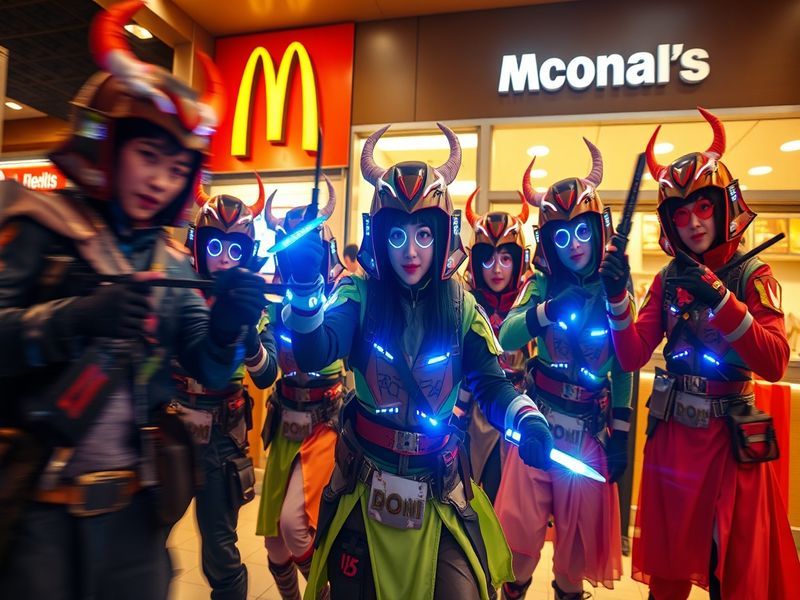
The fusion of K-Pop and fast food culture has taken an intriguing turn with the emergence of themed promotions that blend entertainment and culinary delights. McDonald’s, known for its innovative marketing strategies, has recently tapped into the vibrant world of K-Pop by featuring demon hunters in its advertising campaigns. This unique concept not only attracts young fans but also showcases the creativity that defines both K-Pop and the fast-food giant.
The Concept Behind K-Pop Demon Hunters
At the heart of the K-Pop demon hunter phenomenon lies a narrative that combines fantasy elements with the energetic performances typical of K-Pop idols. These characters are often depicted as brave warriors fighting supernatural forces, a theme that resonates with many fans. The combination of catchy music, dynamic choreography, and engaging storytelling creates a multi-layered experience that captivates audiences.
Incorporating this theme into McDonald’s marketing strategy allows the brand to connect with a demographic that values creativity and entertainment. The collaboration not only promotes the brand but also enhances the overall experience for customers. By introducing limited-edition menu items and exclusive merchandise featuring these demon hunter characters, McDonald’s creates a unique marketing campaign that stands out.
How McDonald’s Leverages K-Pop Popularity
McDonald’s has a history of successful collaborations with various cultural icons, but the K-Pop demon hunters represent a fresh approach. Here are a few strategies the fast-food chain employs:
- Exclusive Menu Items: Limited-time offerings inspired by K-Pop themes, such as special burgers or desserts.
- Merchandising: Collectible toys or apparel featuring K-Pop demon hunter characters.
- Interactive Campaigns: Social media challenges and contests that encourage fan engagement.
- Collaborative Music Releases: Partnering with K-Pop groups to launch songs tied to the campaign.
These strategies not only attract K-Pop fans but also encourage them to visit McDonald’s for a unique dining experience. The blend of music, food, and entertainment creates a sense of community among fans, further enhancing brand loyalty.
The Cultural Impact of K-Pop and Fast Food Collaborations
The intersection of K-Pop and fast food extends beyond mere marketing. It reflects broader cultural trends where food, entertainment, and lifestyle converge. As K-Pop continues to gain global traction, collaborations with brands like McDonald’s highlight the genre’s influence on consumer behavior.
Moreover, these partnerships often spark discussions about cultural appropriation and commercialization. Critics argue that such collaborations dilute the authenticity of K-Pop, while supporters contend that they offer a platform for cultural exchange. The duality of these perspectives illustrates the complexity of modern marketing strategies.
Conclusion: A New Era of Marketing
The collaboration between K-Pop demon hunters and McDonald’s signifies a new era in marketing where entertainment and dining converge. This innovative approach not only enhances the customer experience but also opens avenues for cultural dialogue. As brands continue to explore creative partnerships, the impact on consumer engagement and brand loyalty will be significant.
The K-Pop demon hunter phenomenon serves as a reminder of the power of storytelling in marketing. By embracing this fusion of food and entertainment, McDonald’s not only caters to a diverse audience but also reinforces its position as a leader in the fast-food industry.
For more insights on trends in the entertainment and food industries, visit our Culture and Food sections.