The Stallion: Symbol of Power, History, and Cultural Legacy
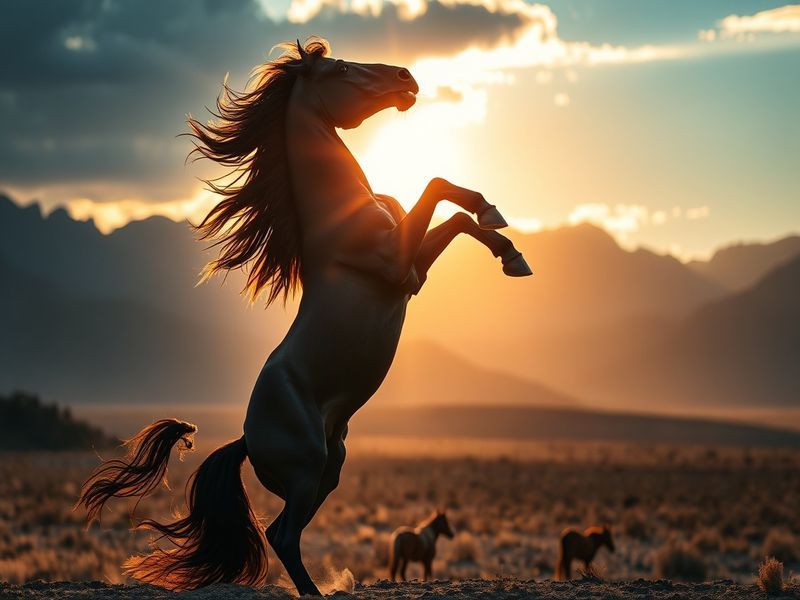
The stallion stands as one of nature’s most potent symbols—a creature of raw strength, elegance, and untamed spirit. For millennia, this majestic animal has transcended its biological role to become a global icon, embedded in mythology, warfare, sport, and economic life. From the steppes of Central Asia to the racetracks of Kentucky, the stallion has shaped human history, culture, and identity.
Unlike mares, stallions are male horses that have not been castrated. Their defining traits—physical power, high energy, and a strong territorial instinct—have made them central to human development. They have pulled plows, carried warriors into battle, and inspired poets. Their presence evokes both admiration and caution, reflecting a duality that resonates across civilizations.
The Stallion in Myth and Ancient Civilizations
The stallion’s mythic resonance begins in ancient Mesopotamia, where the sun god Shamash was often depicted riding a solar chariot pulled by stallions. In Greek mythology, the winged stallion Pegasus emerged from the blood of Medusa, symbolizing transcendence and poetic inspiration. These stories reveal a recurring theme: the stallion as a bridge between earth and sky, mortal and divine.
In Norse tradition, the eight-legged stallion Sleipnir served as Odin’s mount, capable of traveling between realms. This reflects the belief that stallions embodied speed, endurance, and access to hidden knowledge. Similarly, in Hindu tradition, the Ashvins—twin horsemen—rode golden chariots drawn by stallions, representing healing and cosmic order.
Across the ancient world, stallions were not merely animals; they were sacred intermediaries. Their ability to traverse vast distances at speed made them ideal symbols for deities who governed time, travel, and transformation. This spiritual significance laid the foundation for their later roles in warfare and diplomacy.
Stallions in Warfare and Empire
No animal has influenced the course of military history like the stallion. The domestication of the horse around 3500 BCE revolutionized warfare, but it was the stallion’s strength, stamina, and aggressive temperament that made it the preferred mount for cavalry units. The Scythians, nomadic horsemen of the Eurasian steppes, rode small but fierce stallions that could outmaneuver larger opponents.
The introduction of the stirrup in the 4th century CE transformed cavalry into a decisive force. Under Byzantine and later European generals, heavily armored knights rode stallions bred for power and discipline. Breeds such as the Andalusian and Friesian became synonymous with chivalry and battlefield dominance. The decline of mounted warfare did not diminish the stallion’s symbolic power; it evolved into ceremonial and sporting roles.
In the 20th century, the last great cavalry charges occurred during World War I, where British and French troops rode stallions into battle in the trenches of the Western Front. Though mechanized warfare soon rendered them obsolete, the image of the warhorse remains a poignant reminder of a vanishing era—one where human and animal shared the risks of combat.
Breeds, Bloodlines, and the Art of Stallion Breeding
Stallion breeding is both science and art, a practice that has shaped global equine genetics. Different cultures have developed distinct breeds, each optimized for specific roles. The Arabian stallion, revered for endurance and intelligence, became the foundation of many modern breeds, including the Thoroughbred. The Thoroughbred stallion, such as Secretariat or Frankel, commands astronomical stud fees, reflecting their genetic influence on racing.
In Spain, the Andalusian stallion—known for its agility and presence—has been central to classical dressage and bullfighting culture. Meanwhile, in Mongolia, the wild Przewalski’s horse, though not a true domestic stallion, represents the last surviving wild horse lineage and is protected through careful conservation efforts.
The process of stallion selection involves evaluating conformation, temperament, and pedigree. Top stallions are often retired to stud after distinguished careers in sport or racing, ensuring their lineage continues. This has led to the creation of dynasties—bloodlines that dominate disciplines like show jumping, polo, and endurance riding.
Ethical concerns have grown around breeding practices, particularly in the racing industry, where overbreeding and inbreeding can lead to health issues. Organizations now emphasize genetic diversity and welfare standards to preserve the stallion’s legacy without compromising its well-being.
The Stallion in Modern Sport and Culture
Today, the stallion thrives in competitive arenas where speed, agility, and temperament are paramount. Thoroughbred stallions dominate horse racing, with events like the Kentucky Derby drawing global audiences. Polo, an elite sport with roots in ancient Persia, relies on agile stallions capable of quick turns and bursts of speed.
In equestrian sports like show jumping and dressage, stallions such as Totilas and Valegro have redefined performance standards. Their athleticism and partnership with riders have elevated these disciplines into high art forms.
Beyond sport, the stallion remains a cultural symbol. In American Western films, the lone stallion embodies freedom and individualism. In Japanese anime, the stallion often represents untamed spirit and rebellion. Even in branding, stallions are used to convey power—from the Ford Mustang to the Ferrari logo.
The stallion also plays a role in modern conservation. The return of the Przewalski’s horse to the Mongolian steppe is a conservation success story, proving that even symbols of wildness can be revived through dedicated effort.
Key Stallion Breeds Around the World
- Arabian: Originating in the Arabian Peninsula, known for endurance and intelligence.
- Thoroughbred: Bred for speed, dominates horse racing globally.
- Andalusian: Spanish breed prized for dressage and classical riding.
- Friesian: Dutch breed with a striking black coat, used in ceremonial and film work.
- Akhal-Teke: Turkmen breed with a metallic sheen, symbolizing resilience.
A Legacy of Power and Responsibility
The stallion’s journey from mythic symbol to modern icon reflects humanity’s complex relationship with nature. It is a creature of contradictions—wild yet domesticated, powerful yet vulnerable, revered yet exploited. As societies evolve, so too does our understanding of the stallion’s role, demanding a balance between tradition and ethics.
In an age of sustainability and animal welfare awareness, the future of the stallion lies in responsible stewardship. Breeding programs must prioritize health over pedigree. Equestrian sports must enforce humane treatment standards. And in culture, the stallion’s image must evolve beyond mere symbolism to reflect the realities of modern coexistence.
Yet, despite these challenges, the stallion endures. It gallops through our myths, stands proudly in our arenas, and charges forward in our imagination. It is more than an animal. It is a living testament to the enduring bond between humans and the natural world.
As we move forward, the stallion’s legacy—rooted in power, grace, and partnership—remains a guiding force. It reminds us that true strength is not just in domination, but in mutual respect and understanding.