Aldi Recalls Crème Brûlée: Why Food Safety Matters Globally
Aldi Recalls Crème Brûlée Over Safety Concerns
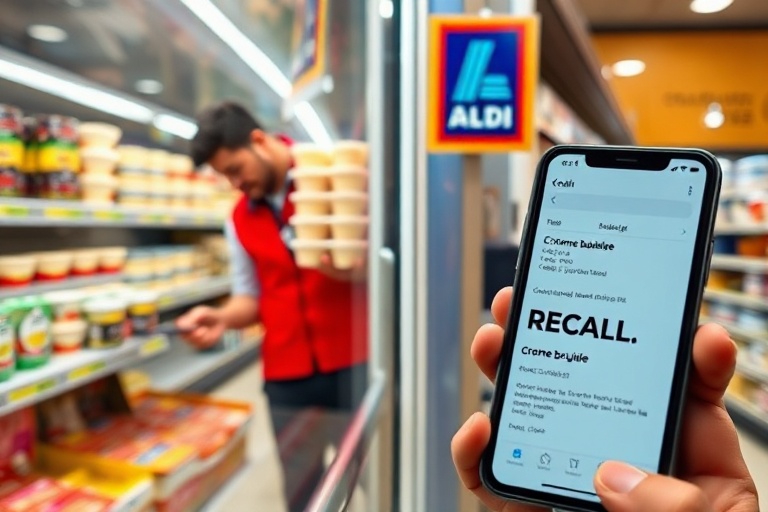
The global grocery chain Aldi has initiated a voluntary recall of its 100g Crème Brûlée dessert cups, citing potential contamination risks. The move follows routine quality checks that detected elevated levels of a specific preservative not listed on the packaging. This recall affects products distributed across multiple countries, including the United States, United Kingdom, and Australia.
The affected batches were manufactured in late November 2023 and reached store shelves in early December. Consumers who purchased the dessert are advised to return it to their nearest Aldi location for a full refund. The company has emphasized that no illnesses have been reported in connection with the recall, though the precautionary measure underscores the retailer’s commitment to food safety.
The Science Behind the Recall
Food safety regulations vary significantly from one country to another, yet contamination risks often transcend borders due to globalized supply chains. In this case, the preservative in question—sodium benzoate—is commonly used to inhibit mold and yeast growth in acidic foods like crème brûlée. However, when combined with certain food acids under specific conditions, it can form benzene, a compound classified as a carcinogen by the International Agency for Research on Cancer.
Aldi’s recall highlights the delicate balance between food preservation and consumer safety. While sodium benzoate is permitted in many jurisdictions, its usage must comply with strict concentration limits. The European Food Safety Authority (EFSA) permits up to 0.1% sodium benzoate in desserts, whereas the U.S. Food and Drug Administration (FDA) allows slightly higher levels. The discrepancy in regulations can create challenges for multinational retailers like Aldi, which must navigate a patchwork of local laws.
- United States: FDA permits sodium benzoate in desserts up to 0.1%.
- European Union: EFSA sets a maximum limit of 0.1% in similar products.
- Australia: Food Standards Australia New Zealand (FSANZ) allows up to 0.15% in dairy-based desserts.
The recall also reflects broader consumer trends toward greater transparency in food labeling. Shoppers today are more likely to scrutinize ingredient lists, particularly when it comes to additives they perceive as unnatural or potentially harmful. This shift has prompted retailers to adopt stricter internal quality controls, even when the risk of adverse effects is minimal.
Global Supply Chain Challenges
For Aldi, managing recalls on a global scale requires meticulous coordination between regional offices, suppliers, and regulatory bodies. The company’s decentralized approach—where local teams handle recalls independently—can sometimes lead to inconsistencies in response times and communication. However, it also allows for tailored solutions that account for regional differences in consumer behavior and regulatory expectations.
In the United Kingdom, for example, Aldi’s rapid response likely stems from heightened scrutiny following the 2013 horsemeat scandal, which eroded public trust in the food industry. Meanwhile, in the U.S., where recalls are more frequent due to the FDA’s proactive monitoring, consumers may view this as a routine precaution rather than a cause for alarm. The varying reactions underscore how cultural attitudes toward food safety shape both corporate policies and consumer perceptions.
Another factor complicating global recalls is the reliance on shared suppliers. Many multinational retailers source ingredients from the same manufacturers to streamline production. If one facility experiences a contamination issue, it can trigger a domino effect across multiple brands. This interconnectedness places additional pressure on retailers to maintain rigorous audits of their supply chains.
Consumer Trust in the Balance
In an era where social media amplifies both praise and criticism, a recall can quickly escalate into a reputational crisis. Within hours of Aldi’s announcement, shoppers took to platforms like Twitter and Reddit to share their experiences—some expressing frustration over the inconvenience, while others commended the company’s transparency. The speed at which information spreads today means retailers must act swiftly to mitigate reputational damage.
Aldi’s proactive stance may help preserve consumer trust, particularly among its core demographic of budget-conscious shoppers. Studies show that consumers are more forgiving of recalls when companies demonstrate accountability. For instance, when Tesco recalled its chocolate éclairs in 2022 due to undeclared nuts, the retailer’s immediate recall and clear communication helped limit fallout. In contrast, brands that delay or obfuscate information often face prolonged backlash.
The crème brûlée recall also intersects with broader discussions about food waste. While the dessert is a relatively low-cost item, discarding recalled products contributes to the 1.3 billion tons of food wasted globally each year. Some consumers have questioned whether a full refund is necessary for a product that may still be safe to consume. However, food safety experts warn against taking risks, noting that even minor deviations from regulations can pose unforeseen hazards.
Lessons for the Industry
This incident serves as a case study for how retailers can balance cost efficiency with consumer safety. Aldi’s reputation for affordability often comes at the expense of premium quality perceptions, but its handling of this recall could reinforce its commitment to responsible practices. Industry analysts suggest that other discount grocers may follow suit, adopting stricter internal standards to avoid similar situations.
For consumers, the recall is a reminder to stay informed about the products they purchase. Checking company websites or subscribing to recall alerts can help shoppers avoid potential risks. Retailers, meanwhile, must continue investing in technology to track products from farm to shelf, ensuring that safety concerns are addressed before they escalate.
As global supply chains grow increasingly complex, incidents like this will likely become more frequent. The key for retailers will be to prioritize transparency and responsiveness, turning potential crises into opportunities to build trust. For Aldi, the crème brûlée recall may ultimately serve as a testament to its dedication to food safety—provided the company maintains its proactive approach in the months ahead.
For those interested in food safety trends, our Health section offers deeper insights into how regulatory changes impact everyday products. Meanwhile, Food category features analyses of how grocery trends evolve in response to consumer demands.
The recall of Aldi’s crème brûlée is more than a logistical challenge—it’s a snapshot of the modern food industry, where safety, transparency, and consumer expectations collide. How retailers navigate these pressures will define their reputations in the years to come.