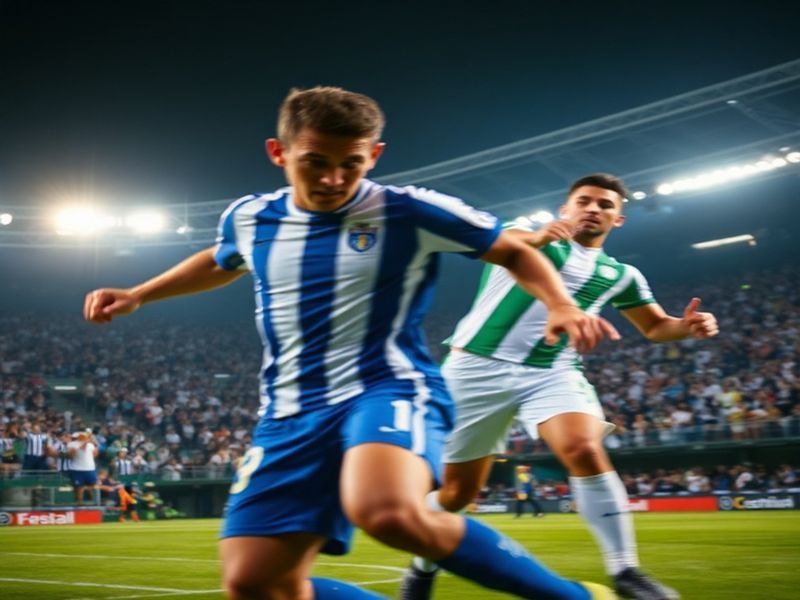
The matchup between Bahia and Palmeiras represents more than just a fixture in the Brazilian football calendar. It pits two clubs with distinct identities, contrasting histories, and sharply different recent trajectories against each other. While Palmeiras stands as a powerhouse with a rich tradition of success, Bahia carries the banner of a passionate underdog fighting to reclaim its place among Brazil’s elite.
This rivalry is not defined by geographic proximity or long-standing grudges, but by the collision of ambition and identity. For Palmeiras, every game is a statement of dominance. For Bahia, it’s a chance to prove that tradition and heart can still overcome financial disparity and structural disadvantages. The contrast makes their encounters compelling viewing, blending tactical intrigue with social significance.
Historical Context: Two Clubs with Different Legacies
Founded in 1914, Esporte Clube Bahia is one of Brazil’s oldest clubs and a symbol of resilience in the Northeast. The Tricolor Baiano won its first national title in 1959, a landmark achievement that briefly positioned Bahia as a pioneer in Brazilian football. Their 1988 Campeonato Brasileiro triumph remains one of the most celebrated moments in Northeast football history.
Palmeiras, established in 1914 as well, has built a legacy on consistent success. With over 10 national titles and two Copa Libertadores trophies, the Verdão commands respect across South America. Their 2021 Libertadores win under Abel Ferreira marked a modern resurgence, reinforcing their status as a continental force.
While Palmeiras has enjoyed financial stability and access to top talent, Bahia has often operated with limited resources. Despite this, Bahia has a unique cultural footprint, deeply embedded in Salvador’s Afro-Brazilian identity and fan culture. This clash of legacies—one rooted in sustained excellence, the other in gritty perseverance—adds depth to their meetings.
Recent Form and Performance Trends
In recent seasons, the competitive gap has widened. Palmeiras has maintained a near-hegemonic presence in the Brasileirão, finishing in the top four every year since 2016 and winning the title in 2016, 2018, 2022, and 2023. Their squad depth, tactical sophistication under Abel Ferreira, and ability to integrate European-based players like Gabriel Menino and Endrick have kept them at the summit.
Bahia, on the other hand, has experienced a rollercoaster ride. After winning promotion back to the Brasileirão in 2023 via the Campeonato Brasileiro Série B, they surprised many by finishing 7th in the 2024 season—a remarkable achievement for a club that had narrowly avoided relegation the previous year. Players like Matheus Davó and Everton Ribeiro have been instrumental in Bahia’s resurgence, blending youth development with veteran leadership.
In their most recent meetings, Palmeiras has often controlled possession and dictated tempo, especially in home fixtures. However, Bahia’s counterattacking style and defensive organization have frustrated Palmeiras on multiple occasions, including a 1-1 draw at Allianz Parque in August 2024. That result highlighted how tactical discipline can neutralize superior resources.
Key Matchups and Tactical Nuances
When these teams meet, the tactical battle often revolves around midfield control. Palmeiras’ preference for high pressing and positional play under Abel Ferreira clashes with Bahia’s structured 4-4-2 or 5-4-1 system, designed to absorb pressure and exploit counterattacks. The battle between Palmeiras’ advanced midfielders—such as Raphael Veiga—and Bahia’s defensive midfield anchor, like Júnior Santos, can decide the game.
Another focal point is the wide areas. Palmeiras relies heavily on wingers like Mayke and Gustavo Scarpa to stretch defenses, while Bahia counters with overlapping fullbacks and direct passes to forwards like Davó. Set pieces also become decisive, especially in tight matches where a single moment can shift momentum.
Cultural Significance and Fan Experience
The cultural weight of this matchup extends beyond the pitch. Bahia’s fanbase, known as the “Tricolor da Massa,” fills the Estádio de Pituaçu with vibrant energy, blending samba rhythms with traditional chants. The stadium becomes a cultural hub, reflecting Salvador’s Afro-Brazilian heritage and working-class identity.
In contrast, Palmeiras’ Arena Allianz Parque in São Paulo offers a modern, corporate experience—though no less passionate. The Verdão’s fanbase, though geographically dispersed, is known for its loyalty and high expectations. The contrast between Bahia’s raw, communal passion and Palmeiras’ polished, high-energy support creates a unique atmosphere when the two meet, even in neutral venues.
Notably, when Bahia hosts Palmeiras in the Nordeste, ticket demand often exceeds stadium capacity, with fans traveling from across Brazil to witness the clash. This phenomenon underscores how Bahia’s identity transcends regional boundaries, drawing supporters who see the club as a symbol of resistance and pride.
What’s at Stake in the 2025 Season
As the 2025 Brasileirão season approaches, both clubs enter the campaign with different objectives. For Palmeiras, the goal is clear: defend their title and continue their pursuit of Libertadores glory. With a squad valued at over €300 million, they remain favorites, though injuries to key players like Endrick could shift the balance.
For Bahia, the challenge is consolidation. After a surprising top-half finish in 2024, the club aims to solidify its place in the Brasileirão and potentially challenge for a Copa do Brasil run. Avoiding relegation is no longer the only goal—establishing themselves as a consistent mid-table force is the new benchmark.
In continental competitions, the stakes are even higher. A deep run in the Copa Libertadores could elevate Bahia’s profile and financial standing, while Palmeiras eyes another deep campaign to add to their continental legacy.
Potential Scenarios for the Season
- Palmeiras’ Dominance: If injuries are managed and form remains consistent, Palmeiras could extend their domestic dominance and mount another Libertadores challenge. Their depth and tactical flexibility give them a clear edge in most scenarios.
- Bahia’s Breakthrough: If young talents continue to develop and tactical cohesion holds, Bahia could secure another top-half finish. A deep Copa do Brasil run would validate their resurgence and boost morale.
- Upset Potential: In high-pressure knockout matches, Bahia’s resilience and defensive solidity could lead to shocks, especially in front of their passionate home crowd.
Conclusion: More Than a Game
The Bahia vs Palmeiras rivalry may lack the historical intensity of state derbies like Fla-Flu or Gre-Nal, but it offers something equally valuable: a narrative of ambition versus tradition, of resources versus heart. In an era where Brazilian football is increasingly dominated by a handful of financially powerful clubs, Bahia’s ability to compete—and occasionally triumph—serves as a reminder of the sport’s unpredictable soul.
For fans of both clubs, these matches are more than just points on a table. They represent identity, pride, and the enduring belief that football, at its best, can transcend mere competition. Whether it’s Bahia’s fans singing until dawn in Salvador or Palmeiras’ supporters filling the Allianz Parque with choreographed displays, the cultural resonance of this fixture is undeniable.
As the 2025 season unfolds, one thing is certain: when Bahia and Palmeiras take the field, they bring more than tactics and talent. They bring stories, dreams, and a reminder that in football, as in life, the underdog’s spirit is never truly defeated.
For deeper analysis on Brazilian football tactics, visit our Analysis section. To explore more about historic underdog stories in sports, check out our Culture category.