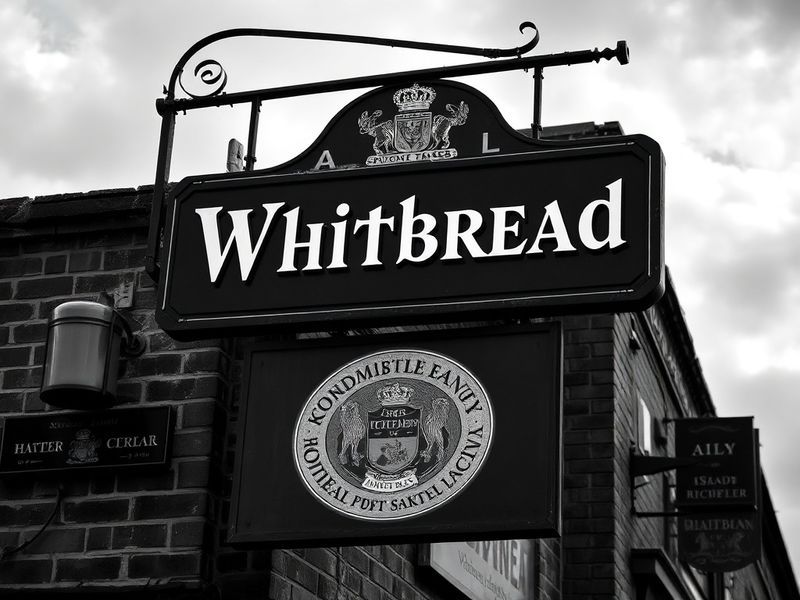
Whitbread: How a British Brewery Became a Global Hospitality Leader
“`html
From Local Brewer to National Icon: The Whitbread Origins
In 1742, Samuel Whitbread established a brewery in London’s Clerkenwell district. The business began modestly, but within decades, it grew into one of Britain’s most influential breweries. By the mid-19th century, Whitbread & Co had become a dominant force in British brewing, known for its pale ales and porters. The company’s expansion mirrored the rise of industrial Britain, where urban centers demanded reliable sources of beer.
The brewery’s success wasn’t just about production. Whitbread cultivated a brand that resonated with British identity, particularly during the empire’s peak. Its beers were exported globally, from India to Australia, embedding British brewing traditions into distant markets. The company’s logo—a stylized swan—became synonymous with quality and tradition, a visual shorthand for reliability in an era of rapid change.
The early 20th century brought challenges. Prohibition in the U.S. and two world wars disrupted trade, forcing Whitbread to adapt. The brewery survived by diversifying, investing in pubs and hotels to offset declining beer sales. This pivot laid the groundwork for its future as a hospitality giant rather than just a brewer.
The Whitbread Revolution: Hospitality Beyond Beer
By the 1960s, Whitbread had shifted its focus entirely from brewing to hospitality. The decision was bold. The company sold its brewing arm in 2001, ending a 259-year legacy in beer. Instead, it bet on hotels and restaurants, a move that redefined its corporate identity. This transformation wasn’t just about survival; it was about seizing a new opportunity in a changing market.
The Whitbread name became synonymous with mid-range hotels through its Premier Inn brand. Launched in 1987, Premier Inn grew into the UK’s largest hotel chain by the 2010s, known for its no-frills, affordable accommodations. The formula worked: clean rooms, consistent service, and locations near transport hubs. It appealed to budget-conscious travelers and business professionals alike, filling a gap in the market left by luxury chains.
Whitbread’s restaurant ventures also left a mark. The company acquired brands like Beefeater Grill and Brewers Fayre, targeting families and casual diners. These chains thrived in an era when dining out became a mainstream leisure activity. Whitbread’s ability to scale these concepts while maintaining quality set it apart from competitors struggling with inconsistent standards.
Global Expansion: Taking British Hospitality Worldwide
Whitbread’s growth wasn’t confined to the UK. The company ventured into international markets, adapting its model to local tastes. In India, for example, it partnered with local developers to launch Premier Inn properties in major cities like Mumbai and Delhi. The challenge was balancing the brand’s British identity with regional preferences—something Whitbread managed through localized menu offerings and design elements.
In Europe, Whitbread faced stiffer competition. Its strategy leaned on acquisitions rather than organic growth. The purchase of the German hotel chain InterCityHotels in 2016 expanded its footprint, but integrating these properties proved complex. Cultural differences in customer expectations required Whitbread to adjust its service standards, a lesson in the challenges of global expansion.
The company’s international efforts weren’t always smooth. In 2018, Whitbread sold its Costa Coffee division to Coca-Cola for £3.9 billion, a move that underscored its shifting priorities. While Costa was profitable, Whitbread chose to reinvest in its core hotel business, signaling a strategic pivot toward lodging over beverages. The sale allowed the company to pay down debt and focus on Premier Inn’s global potential.
Whitbread’s Cultural Impact: More Than Just a Brand
Whitbread’s influence extends beyond its balance sheets. The company shaped British leisure culture, particularly through its pubs and restaurants. Many of its establishments became social hubs, hosting generations of families, friends, and travelers. The closure of traditional Whitbread pubs in the 2000s sparked nostalgia, as communities mourned the loss of local landmarks tied to their daily lives.
The Premier Inn brand, meanwhile, became a cultural fixture. Its presence in nearly every UK town made it a reliable reference point for travelers. The chain’s advertising campaigns, often featuring the slogan “A Great Night’s Sleep,” reinforced its reputation for consistency. This reliability was a direct response to the inconsistencies of budget hotels, where quality varied wildly from one location to the next.
Whitbread also played a role in the UK’s economic landscape. Its hotels and restaurants were major employers, offering jobs to thousands across the country. The company’s policies on staff training and development set industry standards, particularly in hospitality. Programs like the Whitbread Academy provided pathways for employees to advance within the company, a rarity in an industry known for high turnover.
The Whitbread Model: Lessons for Modern Hospitality
Whitbread’s story offers several lessons for today’s hospitality industry. First, adaptability is key. The company’s shift from brewing to hotels wasn’t just a survival tactic; it was a forward-looking strategy. By recognizing the decline of traditional pub culture and the rise of budget travel, Whitbread positioned itself for long-term growth.
Second, consistency builds trust. Premier Inn’s success hinged on delivering the same experience regardless of location. This reliability made it a go-to choice for travelers, proving that brand consistency can outweigh flashy marketing in the hospitality sector.
Third, global expansion requires localization. Whitbread’s international ventures succeeded where it embraced local tastes and regulations. The failure to fully adapt in some markets, like Germany, highlighted the risks of assuming a one-size-fits-all approach works abroad.
Finally, knowing when to divest is as important as knowing when to invest. The sale of Costa Coffee allowed Whitbread to focus on its core strengths. This strategic clarity is often missing in companies that cling to legacy assets too long.
Looking Ahead: Whitbread’s Next Chapter
As of 2024, Whitbread remains a dominant player in the UK hospitality market. Premier Inn continues to expand, with plans to open new properties in Europe and the Middle East. The company’s focus on sustainability—reducing carbon emissions and waste—reflects broader industry trends toward eco-conscious operations.
However, challenges loom. Rising costs, labor shortages, and changing travel habits post-pandemic have forced Whitbread to rethink its strategies. The company’s recent investments in digital booking platforms and loyalty programs aim to stay competitive in an increasingly online-driven market.
Whitbread’s legacy is a testament to the power of reinvention. From a brewery in 18th-century London to a global hospitality empire, the company has repeatedly adapted to survive. Its story is a reminder that even the most traditional businesses can thrive by embracing change.
For travelers and industry observers alike, Whitbread remains a benchmark—a company that turned necessity into opportunity, and tradition into innovation. As it enters its third century, Whitbread’s ability to evolve will determine whether it remains a British institution or fades into history.
Explore more about the evolution of hospitality brands and their cultural impact on Travel.
Learn how modern breweries are adapting to changing consumer tastes in Food.