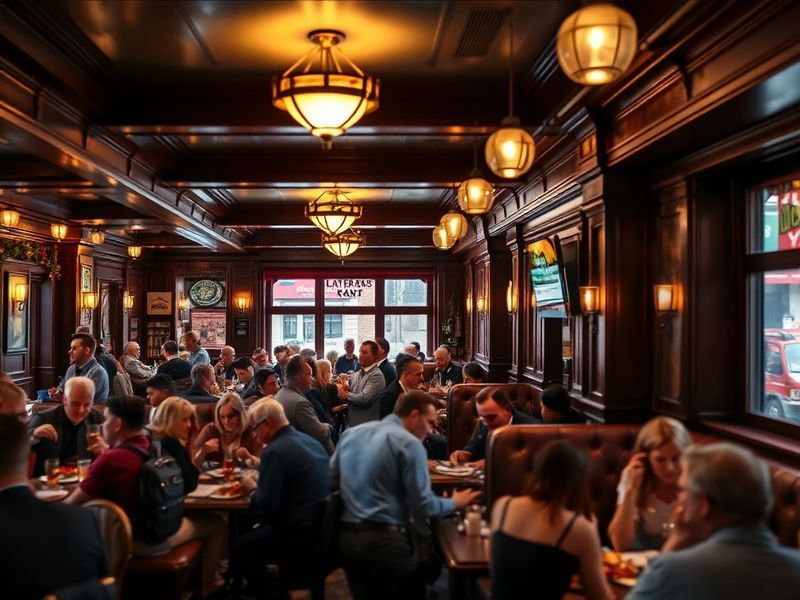
Whitbread Restaurants emerged as one of the UK’s most recognizable dining brands, evolving from a single establishment into a nationwide chain with a reputation for consistency and accessibility. The company’s journey reflects broader trends in British hospitality, where traditional pub culture intersected with modern consumer demands for affordable, family-friendly dining.
Founded in 1742 as a brewery in Bedfordshire, Whitbread expanded into hospitality long before the term “restaurant chain” became commonplace. Its pivot toward dining venues began in earnest during the 1970s, when the company recognized an opportunity to diversify beyond brewing. Today, its legacy is most visible through brands like Beefeater and Premier Inn dining offerings, which have shaped how millions experience casual dining in the UK.
The Evolution of Whitbread’s Dining Portfolio
Whitbread’s transformation from brewer to hospitality giant was neither immediate nor linear. The company initially focused on beer production, but by the mid-20th century, it began acquiring pubs and expanding its hospitality arm. This strategic shift was accelerated by changing consumer habits, particularly the rise of car ownership and the demand for dining destinations away from home.
The 1970s marked a turning point. Whitbread launched Beefeater in 1974, a steakhouse concept designed to appeal to families and groups seeking reliable, mid-range dining. Unlike traditional pubs, Beefeater offered table service and a standardized menu, setting a new standard for casual dining. This model proved highly scalable, and by the 1990s, the brand had expanded across the UK, often situated alongside motorway service stations and suburban retail parks.
In parallel, Whitbread developed other dining brands, including Taybarns and Brewsters, each targeting different segments of the market. Taybarns, introduced in the 2000s, focused on value-driven buffet-style dining, while Brewsters offered a more pub-centric experience. Together, these brands demonstrated Whitbread’s ability to adapt to shifting consumer preferences without losing sight of its core ethos: delivering consistent, affordable meals in a welcoming environment.
Beefeater: The Flagship That Defined a Generation
No Whitbread brand has left a more enduring mark than Beefeater. Launched with a simple premise—high-quality steaks at accessible prices—the chain quickly became a staple for families, business travelers, and social groups. Its success lay in its formula: a limited but reliable menu, portion control, and an emphasis on portioned meats served with chips and salad.
The restaurant’s interior design, characterized by dark wood paneling, red upholstery, and a rustic aesthetic, reinforced its identity as a place for celebration and routine alike. Beefeater locations were strategically placed near major roads, ensuring visibility and convenience for passing trade. This positioning made it a go-to destination for post-work meals, Sunday lunches, and special occasions.
By the 2000s, Beefeater had become synonymous with Whitbread’s broader strategy. The company leveraged its scale to negotiate bulk purchasing deals, keeping ingredient costs low and maintaining competitive pricing. This operational efficiency allowed Beefeater to weather economic downturns better than many independent competitors. Even as dining trends shifted toward fast-casual and global cuisines, Beefeater remained a steady presence, though it faced increasing competition from newer concepts.
Business Model and Market Position
Whitbread’s business model relied on vertical integration and brand diversification. The company owned and operated most of its restaurants, giving it direct control over quality, staff training, and customer experience. This approach minimized reliance on franchisees, a strategy that reduced inconsistency but required significant capital investment.
A key component of this model was the integration with Premier Inn, Whitbread’s hotel brand. Many Beefeater and Taybarns locations operated adjacent to or within Premier Inn properties, creating a seamless ecosystem where travelers could dine and rest under the same corporate umbrella. This synergy was particularly effective in driving revenue during off-peak hours, as hotel guests became a captive audience for evening meals.
Financially, Whitbread’s restaurant division benefited from steady cash flow. Unlike high-end dining, which is vulnerable to economic cycles, casual dining venues like Beefeater and Taybarns attracted budget-conscious consumers even during recessions. The company’s ability to balance premium and value-driven offerings allowed it to capture a broad demographic, from young families to retirees.
Challenges and Adaptations in a Changing Market
The rise of food delivery platforms and the decline of high streets posed existential challenges to traditional restaurant chains. Whitbread was not immune. By the 2010s, it became clear that its model needed reinvention. Consumer tastes were shifting toward healthier options, plant-based menus, and more experiential dining experiences—areas where Whitbread’s legacy brands struggled to innovate quickly.
In response, Whitbread began experimenting with new formats. Some Beefeater locations introduced limited-time offers featuring vegan and gluten-free dishes, while Taybarns tested smaller, urban-focused venues to appeal to younger diners. The company also invested in digital ordering and loyalty programs to compete with delivery giants like Deliveroo and Uber Eats. These adaptations reflected a broader industry trend: the need to blend tradition with innovation.
However, the most significant shift came in 2020, when Whitbread announced plans to split its business into two separate entities—Whitbread PLC, focusing on Premier Inn, and a new company for its restaurant brands. This decision underscored the divergent paths of its hospitality and dining divisions. While Premier Inn remained a high-growth asset, the restaurant brands faced an uncertain future in a market increasingly dominated by fast-casual and delivery-first concepts.
The Legacy and Future of Whitbread Restaurants
Whitbread’s impact on British dining culture is undeniable. For decades, it provided a reliable dining option for millions, blending the comfort of a pub with the structure of a restaurant. Its brands became cultural touchstones, associated with childhood birthdays, post-holiday meals, and business lunches alike. Even as its market share has waned in recent years, Whitbread’s influence persists in the operational playbook of modern casual dining chains.
The company’s legacy also lies in its workforce. Whitbread was a major employer, offering jobs to thousands of staff across the UK. Its training programs and career progression pathways provided opportunities for many entering the hospitality industry. While automation and gig economy models now dominate parts of the sector, Whitbread’s approach to staff development remains a benchmark for traditional hospitality employers.
What Lies Ahead for Beefeater and Taybarns
The future of Whitbread’s restaurant brands is uncertain but not devoid of potential. One possible path is further downsizing, with a focus on flagship Beefeater locations in high-traffic areas. Alternatively, the company could explore partnerships or rebranding efforts to modernize its image. For instance, introducing a new fast-casual spin-off or collaborating with celebrity chefs could revitalize interest.
Another avenue is international expansion. While Whitbread’s restaurant brands are primarily UK-focused, there is precedent for British casual dining concepts to succeed abroad. A targeted rollout in markets like Ireland, the Middle East, or even Asia could tap into demand for familiar dining experiences among expatriates and tourists.
Ultimately, Whitbread’s story is one of adaptation. From its origins as a brewery to its peak as a multi-brand hospitality empire, the company has repeatedly demonstrated an ability to pivot in response to change. Whether its restaurant brands survive in their current form remains to be seen, but their impact on British dining culture is already cemented in history.
Conclusion: A Model Built on Consistency
Whitbread Restaurants exemplify the power of consistency in hospitality. In an industry often defined by fleeting trends, Beefeater and its sister brands offered stability. They were places where expectations were met, if not exceeded, time and again. This reliability came at a cost—innovation was often incremental rather than revolutionary—but it fostered deep customer loyalty.
As the dining landscape continues to evolve, Whitbread’s story serves as both a case study and a cautionary tale. It highlights the importance of balancing tradition with innovation, of leveraging scale without sacrificing quality, and of understanding that even the most entrenched brands must adapt to survive. For those who grew up with Beefeater’s steak and ale pie or Taybarns’ salad bar, the brands may always hold a nostalgic place in their memories. For the industry at large, Whitbread’s journey offers lessons in resilience, strategy, and the enduring appeal of a well-cooked meal.