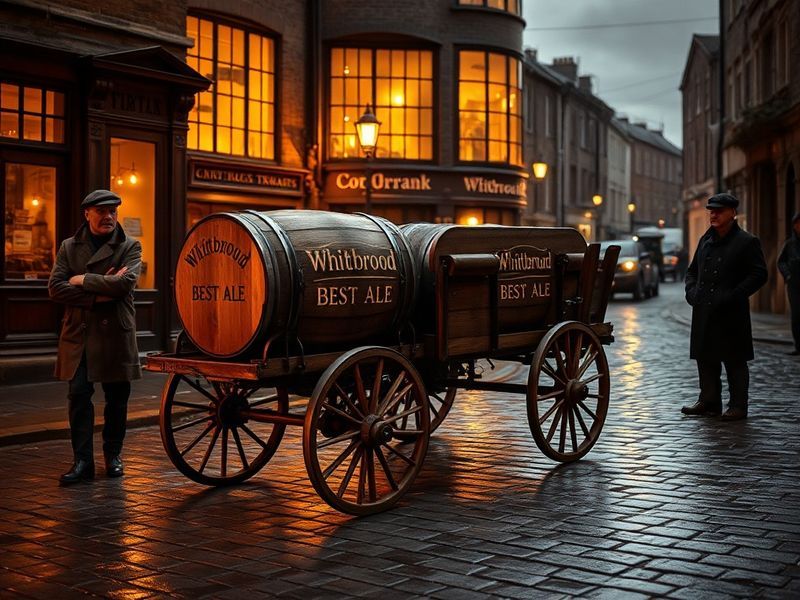
Founded in 1742, Whitbread evolved from a modest London brewery into one of the United Kingdom’s most influential hospitality and leisure companies. Its journey reflects broader changes in British industry, consumer culture, and corporate strategy over nearly three centuries.
The Foundations of a Brewing Dynasty
Whitbread began in 1742 when Samuel Whitbread, a young entrepreneur, partnered with Thomas Shewell to establish a brewery in London’s East End. At the time, London was a hub for beer production, but the industry was fragmented and often unreliable. Whitbread’s venture stood out for its scale and ambition.
The brewery quickly gained prominence due to its use of porter, a dark beer style that became wildly popular in 18th-century England. Unlike ale, porter was brewed with a blend of malt types and aged before sale, giving it a distinctive flavor and longer shelf life. Whitbread’s innovation in production and distribution helped standardize the style and expand its reach across the British Empire.
By the late 1700s, Whitbread was one of the largest breweries in the world. Its success was built on a combination of technological improvements—such as the use of steam engines—and strategic marketing. The company even supplied beer to the Royal Navy, cementing its reputation for quality and reliability.
Expansion Beyond Beer: The Birth of Premier Inn
While Whitbread’s brewing legacy remained strong, the company began diversifying in the 20th century. The post-war era brought challenges to traditional brewing, including rising costs, changing consumer tastes, and increased competition from lager brands. In response, Whitbread shifted its focus toward hospitality and leisure.
A key milestone came in 1987 with the launch of Whitbread’s budget hotel brand, Premier Lodge. Originally positioned as a no-frills accommodation option, the chain targeted budget-conscious travelers and business professionals. Over time, it evolved into Premier Inn, which became a cornerstone of Whitbread’s business strategy.
Premier Inn’s growth was fueled by a combination of franchising, strategic location choices, and consistent branding. Unlike boutique hotels that emphasized luxury, Premier Inn focused on affordability, cleanliness, and convenience—qualities that resonated in an increasingly price-sensitive market. Today, Premier Inn operates over 800 hotels across the UK and Ireland, making it one of the country’s largest hotel chains.
This expansion was not without risk. The company had to navigate economic downturns, Brexit-related labor shortages, and the COVID-19 pandemic, which temporarily shuttered hotels and disrupted travel. Yet, Whitbread’s ability to adapt—such as pivoting to staycations and corporate partnerships—helped it weather these challenges.
Whitbread’s Food and Beverage Portfolio: A Balanced Approach
While Premier Inn became a flagship brand, Whitbread also maintained a strong presence in food and beverage. The company owned Costa Coffee, one of the UK’s most recognizable coffee chains, until its sale to Coca-Cola in 2019. At its peak, Costa operated over 2,000 outlets worldwide, including cafés in airports, shopping centers, and high streets.
Costa’s success was rooted in its ability to blend Italian espresso culture with British tastes. The chain introduced lattes, cappuccinos, and specialty drinks to a mainstream audience, long before rivals like Starbucks gained traction in the UK. Its partnership with Premier Inn—offering Costa Coffee in hotel lobbies—was a masterstroke in cross-brand synergy.
Beyond Costa, Whitbread also operated other food and beverage brands, including Beefeater Grill and Brewers Fayre, which catered to families and casual diners. These brands complemented Premier Inn by providing dining options for guests, creating a seamless experience from check-in to checkout.
However, the sale of Costa marked a strategic shift for Whitbread. The company refocused its portfolio entirely on hotels, divesting its coffee and restaurant operations to streamline operations and reduce debt. This decision reflected a broader industry trend: hospitality brands prioritizing core competencies to remain competitive.
Challenges and Reinvention: The Modern Whitbread
Whitbread’s journey has not been without setbacks. In the early 21st century, the company faced criticism for its lack of innovation in brewing, as traditional ale declined in popularity. Meanwhile, the rise of craft breweries posed a threat to mass-market brands like Whitbread’s remaining beer brands, such as Boddingtons and Caffrey’s.
In response, Whitbread sold its brewing division to Wells & Young’s Brewing Company in 2001, ending its 259-year association with beer. This move allowed the company to concentrate on hospitality, a sector with greater growth potential. The decision was controversial among purists but proved prescient as the UK’s beer market fragmented and consumer preferences shifted.
Today, Whitbread operates as a pure-play hospitality company, with Premier Inn as its flagship brand. Its success hinges on its ability to balance expansion with customer satisfaction. The company has invested in technology, such as mobile check-in and AI-driven pricing tools, to stay ahead of digital-native competitors.
Whitbread’s story is a case study in corporate reinvention. From a brewery in 18th-century London to a hospitality giant in the 21st century, the company has repeatedly adapted to changing markets. Its legacy is not just one of longevity but of strategic foresight.
Looking Ahead: What’s Next for Whitbread?
As Whitbread celebrates its 280th anniversary, the company faces new challenges and opportunities. The rise of remote work has reduced business travel, while the cost-of-living crisis has pressured discretionary spending. Yet, Premier Inn’s focus on affordability and quality positions it well for a potential recovery in domestic tourism.
One area of growth is sustainability. Whitbread has committed to reducing its carbon footprint, including targets for net-zero emissions by 2040. Initiatives like energy-efficient hotel designs and waste reduction programs align with consumer demand for eco-friendly brands.
Another focus is international expansion. While Premier Inn remains dominant in the UK, the company has eyed opportunities in Europe and the Middle East. Expanding into new markets could diversify revenue streams and reduce reliance on domestic demand.
Key Takeaways
- Adaptability: Whitbread’s ability to pivot from brewing to hospitality demonstrates the importance of strategic reinvention.
- Brand Synergy: The integration of Costa Coffee with Premier Inn created a seamless guest experience and drove cross-selling.
- Customer-Centric Approach: Premier Inn’s focus on affordability and consistency has made it a leader in budget hospitality.
- Sustainability: Whitbread’s commitment to environmental goals reflects broader industry trends and consumer expectations.
For those interested in exploring more about the evolution of British hospitality, our travel section offers deeper insights into industry trends and emerging destinations. Similarly, our food coverage examines how brands like Costa Coffee reshaped consumer culture.
Whitbread’s story is far from over. As the company navigates an evolving landscape, its ability to innovate and adapt will determine whether it continues to thrive for another 280 years—or beyond.