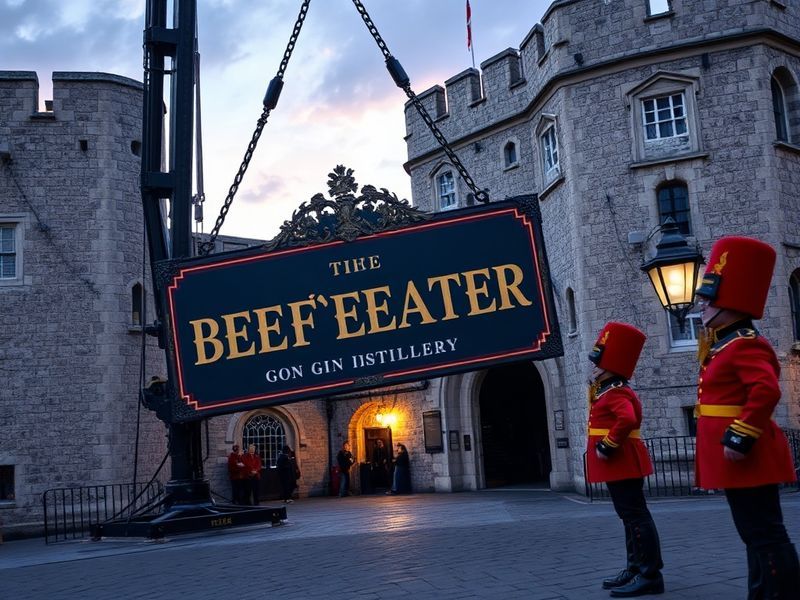
The closure of Beefeater, one of London’s most iconic pubs, marks the end of an era for the city’s historic drinking establishments. Located in the heart of the capital near the Tower of London, Beefeater had been a fixture for locals and tourists alike since the mid-20th century. Its shuttering comes as part of a broader trend reshaping London’s pub landscape, where rising rents, shifting consumer habits, and economic pressures are forcing long-standing venues to close their doors.
While the official reasons for Beefeater’s closure remain unconfirmed, industry insiders point to a combination of factors. The pub’s landlord has not renewed its lease, a move that reflects the increasing value of commercial real estate in central London. This trend has accelerated in recent years, with pubs being replaced by luxury apartments, co-working spaces, and high-end retail. Beefeater’s closure is not an isolated incident but part of a larger pattern affecting the city’s cultural fabric.
The History and Legacy of Beefeater
Beefeater opened its doors in 1952, a time when London’s pubs were hubs of social life. Named after the Yeomen Warders of the Tower of London—commonly known as Beefeaters—the pub quickly became a symbol of the city’s rich history and tradition. Its interior was adorned with memorabilia, including vintage photographs and military artifacts, creating an atmosphere that blended history with modern-day conviviality.
Over the decades, Beefeater evolved from a working-class pub to a popular destination for both locals and visitors. Its menu featured classic British fare like fish and chips, steak and kidney pie, and, of course, a wide selection of ales and spirits. The pub was particularly known for its gin selection, a nod to its namesake and London’s long-standing love affair with the spirit. For many, Beefeater was more than just a place to drink—it was a cultural landmark.
Its closure leaves a void in the community. Regulars who frequented the pub for decades now face the challenge of finding a replacement that offers the same sense of history and camaraderie. For younger generations, Beefeater represented a connection to London’s past, a tangible link to a time when pubs were the social centers of neighborhoods. The loss of such establishments raises questions about the future of London’s social spaces and whether newer venues can replicate the charm of these older institutions.
The Broader Trend: Why London’s Pubs Are Disappearing
The closure of Beefeater is part of a troubling trend affecting London’s pub industry. According to the News section on Dave’s Locker, the number of pubs in the UK has declined by nearly 20% over the past decade. In London alone, more than 500 pubs have closed since 2010, with many being replaced by residential and commercial developments. This shift reflects the economic pressures facing traditional pubs, which are struggling to compete with rising operating costs and changing consumer preferences.
Several factors contribute to this decline:
- Rising rents and property values: As London’s real estate market continues to boom, landlords are increasingly opting to lease spaces to higher-paying tenants, such as luxury retail stores or residential developers. Pubs, which often operate on thin margins, are frequently priced out of their locations.
- Changing consumer habits: Younger generations are less likely to frequent traditional pubs, favoring instead craft beer bars, cocktail lounges, or home drinking. The rise of delivery services like Deliveroo and Uber Eats has also reduced foot traffic in pubs, as people opt to drink at home.
- Regulatory challenges: Stricter licensing laws, minimum unit pricing for alcohol, and increased scrutiny on drink-driving have made it harder for pubs to operate profitably. Additionally, the COVID-19 pandemic accelerated the decline, with many pubs struggling to recover from prolonged closures and reduced capacity.
- Gentrification: In areas like Shoreditch, Soho, and the City of London, gentrification has transformed neighborhoods, pushing out long-standing pubs in favor of trendier establishments catering to wealthier clientele. Beefeater’s closure in a prime location near the Tower of London is a prime example of this phenomenon.
While some argue that the decline of traditional pubs is inevitable in a modernizing city, others see it as a loss of cultural heritage. Pubs like Beefeater are not just businesses; they are social institutions that foster community, preserve history, and provide a sense of place. Their disappearance raises concerns about the homogenization of London’s social landscape and the erosion of its unique character.
What’s Next for London’s Drinking Scene?
The closure of Beefeater leaves a gap in London’s drinking scene, but it also presents an opportunity for renewal. As traditional pubs decline, new types of drinking establishments are emerging to fill the void. Craft beer bars, gin palaces, and cocktail lounges are becoming increasingly popular, offering experiences that cater to modern tastes. These venues often prioritize quality, innovation, and ambiance, attracting younger crowds who might not have frequented a traditional pub.
However, these new establishments come with their own challenges. Many lack the historical charm and community focus of older pubs. Additionally, the rise of so-called “sterile” drinking spots—venues that prioritize aesthetics over character—has led to criticism that London’s drinking culture is becoming overly commercialized. The question remains: Can these new venues replicate the sense of history and belonging that made places like Beefeater so beloved?
For those mourning the loss of Beefeater, there are still a few ways to preserve its legacy. The Campaign for Real Ale (CAMRA) has long advocated for the protection of traditional pubs, and organizations like the Culture section on Dave’s Locker often highlight efforts to save historic venues. Community-driven initiatives, such as pub buyouts or heritage preservation projects, could help safeguard London’s remaining pubs. There is also a growing movement to document and celebrate the stories of these establishments before they disappear entirely.
The Future of London’s Social Spaces
The closure of Beefeater is more than just the loss of a pub; it is a reflection of broader changes in London’s social and economic landscape. As the city continues to evolve, the challenge will be to balance modernization with the preservation of its cultural heritage. Traditional pubs like Beefeater offer a sense of continuity and identity in a rapidly changing world. Their disappearance forces us to consider what we value in our social spaces and how we can ensure that future generations have access to the same sense of community and history.
For now, London’s drinking scene will continue to transform. Whether this transformation leads to a richer, more diverse culture or a homogenized landscape dominated by commercial interests remains to be seen. One thing is certain: the loss of Beefeater serves as a reminder of the importance of cherishing and protecting the institutions that define our cities.