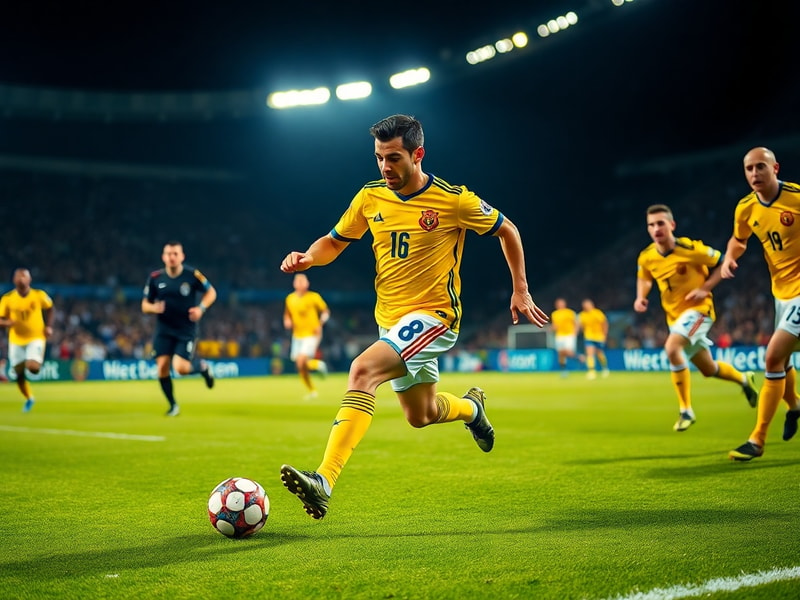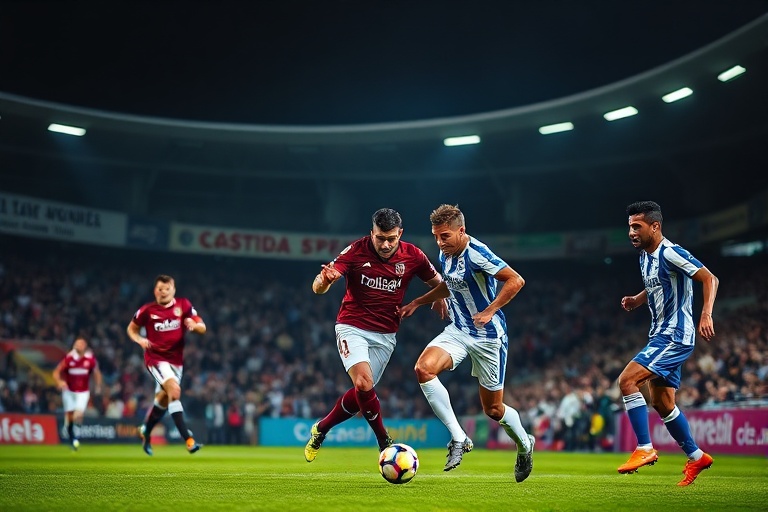
The matchup between Al-Taawoun and Al-Ahli is more than just a football game. It’s a clash of cultures, histories, and ambitions within Saudi Arabia’s top-tier football landscape. These two clubs, separated by geography and philosophy, represent distinct visions of what Saudi football can become. Their encounters on the pitch are often intense, tactical, and occasionally explosive, reflecting the broader tensions in the kingdom’s sporting evolution.
The Historical Context: Two Clubs, Two Identities
Al-Ahli, based in Jeddah, is one of Saudi Arabia’s most storied clubs, founded in 1937. Its legacy is built on tradition, international success, and a massive global fanbase. The club has won multiple league titles and domestic cups, and its history is intertwined with the development of Saudi football itself. Al-Ahli’s identity is rooted in its cosmopolitan base, drawing support from across the kingdom and beyond.
Al-Taawoun, on the other hand, hails from Buraidah, a city in the heart of Saudi Arabia’s Najd region. Founded in 1956, it has long been seen as the underdog—a club that punches above its weight. While Al-Taawoun lacks the global prestige of Al-Ahli, its rise in recent years has been remarkable. The club won its first Pro League title in 2020-21, a feat that stunned Saudi football. This victory was not just a sporting achievement; it was a statement that Saudi football’s hierarchy is shifting.
The rivalry between these two clubs is not just about points or trophies. It’s about what football represents in Saudi Arabia today. Al-Ahli embodies the old guard, with its wealthy backers, international stars, and global ambitions. Al-Taawoun, meanwhile, symbolizes the new wave—a club built on local talent, tactical discipline, and a relentless work ethic. Their matches often feel like a microcosm of Saudi football’s broader transformation.
Key Factors in the Rivalry: Tactics, Talent, and Investment
When Al-Taawoun and Al-Ahli face off, the tactical battle is as compelling as the on-pitch action. Al-Ahli, under recent coaching regimes, has often favored possession-based, attacking football, relying on technically gifted players to break down defenses. Their style is polished, designed to entertain, and geared toward maintaining control of the game.
Al-Taawoun, in contrast, is known for its pragmatic approach. The club’s success in recent years has been built on a solid defensive structure, quick transitions, and exploiting set-pieces. Their 2020-21 title-winning campaign was a masterclass in efficiency, with an emphasis on compactness and disciplined pressing. While Al-Ahli plays with flair, Al-Taawoun plays with purpose—and that difference often defines their head-to-head encounters.
Talent distribution is another key factor. Al-Ahli has historically attracted top Saudi and international players, thanks to its financial muscle and global brand. Stars like Yasser Al-Shahrani and Merih Demiral have donned the Al-Ahli jersey, bringing star power and experience. Al-Taawoun, however, has thrived on developing its own talent. The club’s academy has produced players like Abdullah Al-Hafith and Fahad Al-Muwallad, who have become key figures in the Saudi national team. This contrast—star power versus homegrown talent—adds another layer to their rivalry.
Investment also plays a role. Al-Ahli’s recent takeover by a Qatari consortium has injected fresh capital, signaling ambitions to compete at the highest level in Asia. Al-Taawoun, while not as flush with cash, has shown that smart recruitment and strong management can bridge the gap. Their ability to compete with wealthier clubs has made them a model for Saudi football’s future.
What to Watch in Their Next Clash
The next meeting between Al-Taawoun and Al-Ahli promises to be another chapter in their evolving rivalry. Here are the key elements to watch:
- Al-Ahli’s offensive firepower: Can their attacking players break down Al-Taawoun’s disciplined defense?
- Al-Taawoun’s set-pieces: The club’s ability to score from dead-ball situations has been a hallmark of their success.
- Midfield control: The battle in midfield will determine the tempo of the game. Who dictates play?
- Tactical flexibility: Will Al-Ahli adapt to Al-Taawoun’s style, or will the underdogs force the tempo?
- Crowd atmosphere: Al-Taawoun’s home games in Buraidah are known for their intensity, while Al-Ahli’s matches in Jeddah draw massive crowds. The energy could sway the game.
Broader Implications: What This Rivalry Says About Saudi Football
The Al-Taawoun vs Al-Ahli rivalry is a microcosm of Saudi football’s broader shifts. For decades, Saudi football was dominated by a handful of clubs—Al-Hilal, Al-Nassr, and Al-Ittihad—with Al-Ahli often lurking in the shadows. But the rise of Al-Taawoun, along with other clubs like Al-Ettifaq and Al-Fayha, has disrupted the status quo.
This change reflects Saudi Arabia’s wider ambitions in football. The Saudi Pro League has become a magnet for global stars, with Cristiano Ronaldo joining Al-Nassr and Karim Benzema arriving at Al-Ittihad. But while these marquee signings grab headlines, the league’s competitiveness is also being reshaped by clubs like Al-Taawoun. Their success proves that Saudi football is not just about spending big—it’s about smart development, strong leadership, and tactical intelligence.
The rivalry also highlights the tension between tradition and innovation. Al-Ahli’s global brand and history give it a certain prestige, but Al-Taawoun’s rise shows that Saudi football is hungry for new narratives. The kingdom’s Vision 2030 places football at the heart of its soft power strategy, and clubs like Al-Taawoun are critical to that vision. They represent the kind of sustainable success that Saudi football needs to grow beyond its traditional powerhouses.
Moreover, the Al-Taawoun vs Al-Ahli rivalry underscores the importance of regional identity in Saudi football. Al-Ahli’s connection to Jeddah, a city with deep historical ties to the Red Sea and global trade, contrasts with Al-Taawoun’s Najd roots—a region known for its conservative values and strong work ethic. These cultural differences add depth to their encounters, making them more than just football matches.
Conclusion: A Rivalry with Layers
The next time Al-Taawoun and Al-Ahli face off, it will be more than a game. It will be a clash of philosophies, a test of tactical evolution, and a reflection of Saudi football’s changing landscape. Al-Ahli represents the old guard, with its global ambitions and star-studded lineups. Al-Taawoun, meanwhile, embodies the new wave—a club built on grit, strategy, and local pride.
For fans, these matches are a source of drama and excitement. For Saudi football, they are a reminder that success is not just about money or history—it’s about adaptability, innovation, and heart. As Saudi Arabia continues to invest in its footballing future, the Al-Taawoun vs Al-Ahli rivalry will remain a key battleground, where the past and future of Saudi football collide.
Whether you’re a casual observer or a die-hard fan, one thing is clear: this rivalry is far from over. In fact, it’s just getting started.
For more on Saudi football and its evolving landscape, explore our Sports and Analysis sections.