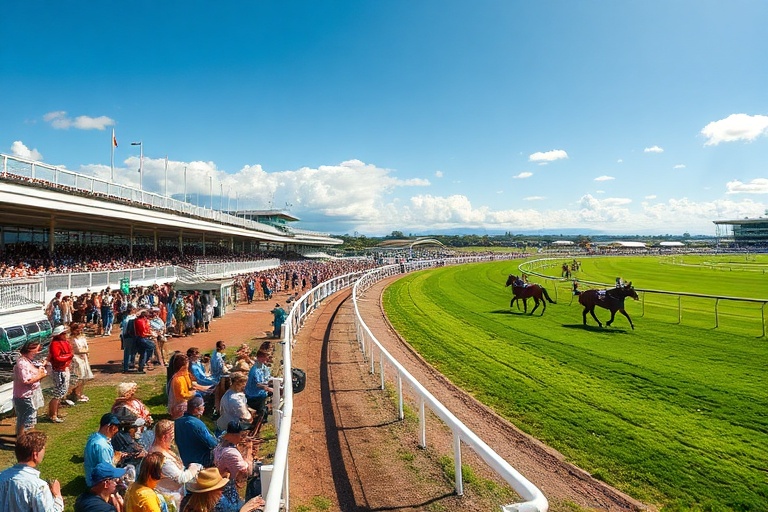
Brighton Racecourse: History, Challenges, and Global Appeal in British Racing
Nestled against the backdrop of the South Downs in East Sussex, Brighton Racecourse stands as one of Britain’s most distinctive and historically rich sporting venues. Unlike many flat racing courses that blend into the countryside, Brighton’s undulating track and seaside setting create a visual spectacle that has captivated audiences for over a century. The course’s unique topography—with its pronounced inclines and sweeping bends—tests both horse and jockey in ways that few other tracks can match.
What began as a modest gathering of horse enthusiasts in the 18th century has evolved into a year-round destination for racing, entertainment, and cultural events. Brighton Racecourse is not merely a sporting venue; it is a living archive of British racing history, a venue for high-stakes competition, and a community hub that reflects the evolving tastes of its visitors. Its ability to adapt while preserving tradition has ensured its relevance in an era where many historic venues struggle to maintain their footing.
The Historical Roots of Brighton Racecourse
Brighton Racecourse’s origins trace back to 1783, when the first recorded meeting took place on land leased from the Stanford Estate. The course’s early years were marked by informal gatherings of local gentry and racing enthusiasts, who were drawn to the area’s natural beauty and the growing popularity of horse racing as a social pastime. By the early 19th century, Brighton had established itself as a key fixture in the British racing calendar, attracting prominent owners and trainers.
The course’s development was closely tied to the rise of Brighton as a fashionable seaside resort during the Regency period. As the town grew into a playground for London’s elite, Brighton Racecourse became a natural extension of its cultural appeal. The arrival of the railway in 1841 further cemented its status, making it accessible to a wider audience and transforming it into a commercial success.
During the Victorian era, Brighton Racecourse underwent significant modernization. The introduction of a proper grandstand in 1878 provided spectators with a more structured viewing experience, while the course itself was refined to meet the demands of professional racing. The early 20th century saw further upgrades, including the construction of the iconic stand that remains a defining feature of the venue today.
A Track Unlike Any Other
Brighton Racecourse’s most defining characteristic is its undulating, left-handed circuit. Stretching just over a mile and a half, the track features a sharp downhill turn into a sweeping bend, followed by a steep climb to the home straight. This layout presents a unique challenge for jockeys, who must balance speed with precision to navigate the course’s contours successfully.
The track is particularly renowned for its pronounced camber, which can unsettle horses unaccustomed to its demands. This has led to some memorable upsets over the years, where outsiders have defied the odds to claim victory. For trainers and jockeys, Brighton is often seen as a proving ground—a place where raw talent is tested against the course’s unforgiving nature.
- Distance: 1 mile, 1 furlong, and 192 yards (1,914 meters)
- Race Type: Flat racing (primarily sprints and middle-distance races)
- Key Features: Sharp downhill turn, steep climb to the finish, pronounced camber
- Record Time: 1 minute, 34.58 seconds (set by Habibti in the 1983 King George Stakes)
The course’s reputation for producing thrilling upsets has made it a favorite among punters and racing enthusiasts. Unlike the more predictable outcomes at flatter, faster tracks, Brighton’s quirks ensure that no race is ever truly over until the horses cross the line. This unpredictability has contributed to the course’s enduring appeal, drawing crowds that range from seasoned professionals to casual spectators.
Brighton Racecourse in the Modern Era
In the 21st century, Brighton Racecourse has successfully balanced its rich heritage with modern innovation. The venue hosts over 20 race meetings annually, attracting top-class horses and jockeys from across the globe. Its position within the Sports calendar has been strengthened by its inclusion in prestigious events such as the King George Stakes and the Brighton Mile, both of which draw international attention.
Beyond racing, the course has evolved into a multifaceted entertainment hub. The grandstand now features a range of hospitality options, from fine dining experiences to informal bars, catering to diverse audiences. The venue also plays host to concerts, conferences, and private events, leveraging its scenic location to offer a unique setting for gatherings of all kinds.
One of the most significant developments in recent years has been the venue’s commitment to sustainability. In 2020, Brighton Racecourse became the first racecourse in the UK to achieve the ISO 14001 environmental certification. Initiatives such as rainwater harvesting, solar energy use, and waste reduction programs have positioned the course as a leader in eco-friendly sporting venues. This aligns with the broader cultural shift toward sustainability, appealing to environmentally conscious visitors and corporate clients alike.
The Global Appeal of Brighton Racing
While Brighton Racecourse is firmly rooted in British racing tradition, its influence extends far beyond the shores of the UK. The course’s unique challenges and scenic setting have attracted international trainers and owners, who see it as an opportunity to test their horses against a different kind of competition. In recent years, horses from Ireland, France, and even the United States have made the journey to Brighton, adding a global dimension to its racing calendar.
This international appeal is further enhanced by the course’s role in the breeding industry. The proximity to top stud farms in Newmarket and Ireland means that many of the horses competing at Brighton are part of a broader global network. The course’s reputation for producing thrilling performances has made it a sought-after stop for owners looking to showcase their horses’ potential.
Brighton Racecourse also serves as a cultural ambassador for British racing. Its association with the vibrant city of Brighton—known for its progressive values, artistic community, and diverse population—has helped to attract a younger, more diverse audience to the sport. This is particularly important in an era where traditional sporting events often struggle to engage with younger generations.
The Cultural Significance of Brighton Racecourse
Beyond its role as a sporting venue, Brighton Racecourse holds a special place in the cultural landscape of the UK. The course’s seaside setting has made it a popular destination for day-trippers, who combine racing with a stroll along Brighton’s iconic seafront or a visit to the Royal Pavilion. This blend of sport and leisure creates a unique atmosphere, where the excitement of racing is intertwined with the laid-back vibe of a coastal town.
The course has also been featured in literature, film, and music, further cementing its place in British popular culture. From Agatha Christie’s detective novels to modern-day television dramas, Brighton Racecourse has been depicted as a place of intrigue, glamour, and high-stakes drama. This cultural resonance ensures that the venue remains relevant not just as a sporting landmark, but as a symbol of a bygone era’s elegance and excitement.
For the local community, Brighton Racecourse is a source of pride and economic vitality. The venue supports hundreds of jobs, from stable staff and jockeys to hospitality workers and event organizers. Its success has a ripple effect on the surrounding area, boosting tourism and contributing to the local economy. In a region where seasonal tourism is a major industry, the racecourse provides a year-round draw that complements Brighton’s reputation as a cultural and entertainment hub.
A Venue for the Future
Looking ahead, Brighton Racecourse is well-positioned to continue its legacy as a premier sporting and cultural venue. Plans for further modernization, including upgrades to the grandstand and enhanced digital experiences for spectators, are underway. These developments aim to ensure that the course remains at the forefront of British racing while appealing to the next generation of fans.
The venue’s commitment to sustainability and inclusivity also reflects broader societal trends. By embracing eco-friendly practices and creating accessible experiences for all visitors, Brighton Racecourse is setting a standard for how historic venues can evolve without losing their character. This forward-thinking approach ensures that the course will remain a beloved institution for decades to come.
For those who have experienced the thrill of a race day at Brighton, the course’s magic is undeniable. Whether it’s the roar of the crowd as the horses round the final bend, the panoramic views of the South Downs, or the sense of history that permeates every inch of the track, Brighton Racecourse offers an experience that is both timeless and uniquely its own.