What Does a Councillor Do? Roles, Responsibilities, and Impact
Politics / Understanding the Role of a Councillor
What Does a Councillor Do?
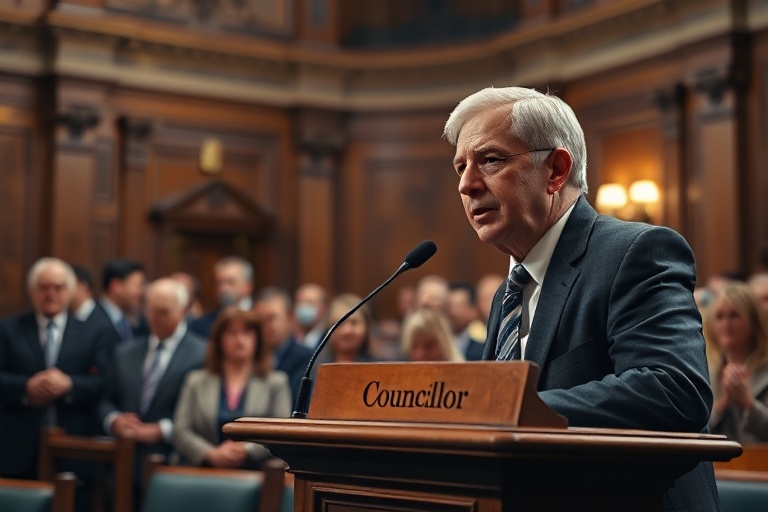
A councillor serves as an elected representative for a specific ward or district within a local government. Their primary responsibility is to voice the concerns and priorities of their constituents during council meetings. This involves attending regular sessions, reviewing policy proposals, and voting on budgets that directly affect public services like schools, roads, and emergency response.
Beyond voting, councillors often serve on specialized committees that focus on areas such as housing, transportation, or environmental sustainability. These roles allow them to shape detailed policies rather than just casting broad votes. For example, a councillor on a housing committee might push for zoning changes to encourage affordable housing developments or advocate for stricter building codes to improve safety standards.
Councillors also act as a bridge between the public and local government. They hold regular surgeries—meetings where residents can voice concerns directly—or respond to emails and phone calls about issues ranging from potholes in roads to delays in permit approvals. Their accessibility can significantly influence how responsive a local government appears to its community.
The Path to Becoming a Councillor
Running for office as a councillor requires meeting specific eligibility criteria, which typically include being at least 18 years old, a citizen or legal resident of the country, and a resident (or property owner) within the ward they aim to represent. While no formal education is mandatory, many candidates benefit from backgrounds in public service, law, or community organizing.
Campaigning for a council seat involves several key steps. Candidates must gather a set of nomination papers signed by eligible voters in their ward, submit these to the local electoral office, and often pay a deposit. Campaign strategies vary widely but often include door-to-door canvassing, social media outreach, and participating in public debates. The cost of running can range from a few hundred to several thousand dollars, depending on the ward’s size and competitiveness.
Once elected, councillors typically serve four-year terms, though this varies by region. They are expected to maintain transparency and accountability, filing annual reports on their activities and financial disclosures. Some councillors choose to specialize further by earning certifications in local governance or joining professional networks like the Local Government Association.
Challenges Faced by Councillors
One of the most persistent challenges councillors face is balancing the demands of their constituents with the broader needs of the community. While residents often prioritize immediate concerns like fixing a broken streetlight or increasing police patrols, councillors must also consider long-term goals such as economic development or climate resilience. This balancing act can lead to criticism from both sides—some may accuse them of ignoring local issues, while others argue they’re not thinking big enough.
Another significant challenge is navigating political polarization. Councillors frequently find themselves caught between party lines, coalition agreements, or shifting public opinions. For instance, a councillor advocating for a new bike lane might face backlash from residents concerned about parking or from businesses worried about reduced accessibility. Managing these conflicts while maintaining professionalism requires strong mediation skills and a willingness to compromise.
Councillors also grapple with limited resources. Local governments often operate on tight budgets, forcing councillors to make difficult choices about which services to fund or cut. Public scrutiny intensifies when unpopular decisions are made, such as raising taxes or closing a beloved community center. In these situations, councillors must justify their decisions clearly and work to build public trust through transparent communication.
The Impact of Councillors on Local Communities
The influence of a councillor extends far beyond the council chamber. Their decisions can shape the physical and social landscape of a neighborhood for years. For example, a councillor who successfully lobbies for improved public transit can reduce traffic congestion and lower carbon emissions. Similarly, a councillor who advocates for better youth programs might help reduce crime rates by providing constructive alternatives for at-risk teens.
Councillors also play a critical role in emergency response. During crises like floods or pandemics, they coordinate with local agencies to distribute resources, disseminate information, and support vulnerable populations. Their on-the-ground presence can make a tangible difference in how quickly and effectively a community recovers. For instance, during the COVID-19 pandemic, many councillors worked to ensure food security for isolated seniors or secured funding for small businesses.
Beyond tangible outcomes, councillors contribute to the cultural fabric of their communities. They might champion arts programs, support local festivals, or advocate for inclusive public spaces. These efforts foster a sense of belonging and civic pride, which can attract new residents and businesses. For example, a councillor who pushed for a downtown revitalization project might see it become a thriving hub for local artists and entrepreneurs.
Key Takeaways for Aspiring Councillors
- Listen first: Effective councillors prioritize understanding their constituents’ needs before proposing solutions. Regular engagement builds trust and ensures policies reflect actual community priorities.
- Build coalitions: Successful councillors work across party lines and with diverse stakeholders, from business owners to nonprofit leaders, to achieve common goals.
- Stay informed: Local governance is complex, and councillors must keep up with changing laws, budgets, and public sentiment to make well-informed decisions.
- Communicate clearly: Whether explaining a policy decision or addressing a controversy, transparency and clarity are essential to maintaining public confidence.
Conclusion
Councillors occupy a unique position at the intersection of local government and community life. Their work is often behind the scenes but profoundly impacts the quality of life for residents. From shaping budgets to mediating disputes, their roles are multifaceted and demanding, yet deeply rewarding for those committed to public service.
For anyone considering a run for office, the journey begins with understanding the responsibilities and challenges involved. It requires resilience, adaptability, and a genuine desire to serve. Those who succeed not only leave a mark on their communities but also inspire future generations of leaders to engage in the democratic process.
As local governments continue to face evolving challenges—from climate change to economic inequality—the role of the councillor will only grow in importance. Their ability to listen, innovate, and unite will determine the vitality of the neighborhoods they serve.