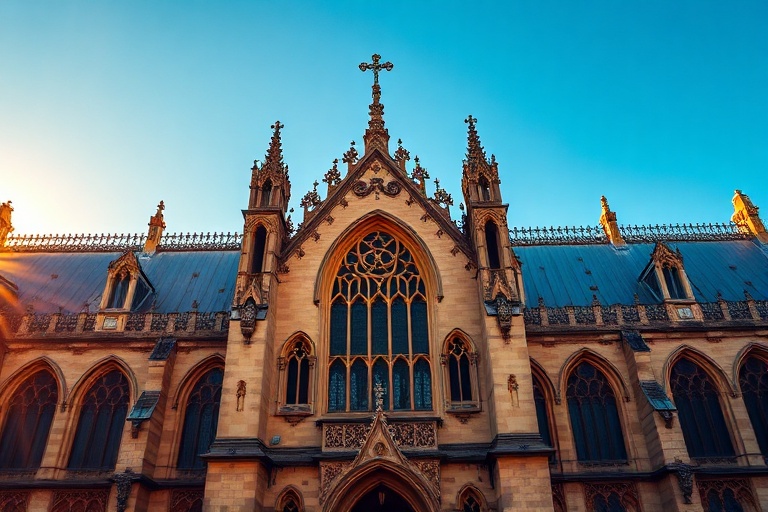
Cambridge: A City of Timeless Knowledge and Modern Influence
Cambridge, England, is more than just a historic university town—it is a global symbol of intellectual pursuit, architectural grandeur, and cultural fusion. Straddling the River Cam, this city has shaped minds for nearly nine centuries, yet it remains deeply connected to contemporary debates in science, politics, and the arts. From its medieval origins to its role in today’s tech-driven economy, Cambridge embodies the tension and harmony between tradition and innovation.
The Origins and Evolution of a Scholarly Haven
Founded in the 13th century, the University of Cambridge quickly became a rival to Oxford, forming the two pillars of England’s academic establishment. Unlike many ancient institutions, Cambridge was not established by royal decree but by scholars themselves—migrating academics seeking refuge from hostile townsfolk in Oxford. This grassroots beginning lent the university an independent spirit that persists to this day.
The city’s layout reflects its academic pedigree. Narrow cobbled lanes wind past Gothic spires and modern laboratories, while the River Cam serves as both a scenic backdrop and a historical highway for punting—a leisurely activity that blends tourism with tradition. The university’s colleges, each with its own quirks and histories, form microcosms of intellectual life. Trinity College, for instance, boasts the largest quadrangle in the world and has produced more Nobel laureates than many entire countries.
Yet Cambridge is not frozen in time. The city has expanded beyond its medieval core, embracing a vibrant startup scene fueled by university spin-offs in biotech and artificial intelligence. This dual identity—simultaneously ancient and cutting-edge—makes Cambridge a compelling case study in how tradition can coexist with progress.
Cambridge in Global Context: Beyond Academia
While the university dominates global perceptions of Cambridge, the city’s influence extends far beyond lecture halls and libraries. It has played a pivotal role in global events, from the scientific revolution to modern diplomacy. Francis Bacon, who developed the scientific method in Cambridge, laid the groundwork for modern empirical research. Later, during World War II, the city became a hub for codebreaking at Bletchley Park, where Alan Turing cracked the Enigma code, altering the course of history.
In the 21st century, Cambridge continues to shape international discourse. The science park adjacent to the university hosts over 1,000 tech companies, including ARM Holdings, whose microchip designs power most smartphones worldwide. Meanwhile, the city’s cultural institutions—such as the Fitzwilliam Museum and Kettle’s Yard gallery—bridge the gap between local heritage and global audiences, hosting exhibitions that draw visitors from Tokyo to Toronto.
Cambridge also reflects broader societal shifts. Its diversity has grown significantly in recent decades, with international students now making up nearly 40% of the university’s enrollment. This influx has transformed the city’s culinary scene, with everything from Michelin-starred restaurants to authentic Vietnamese pho shops dotting its streets. Such cultural exchange underscores Cambridge’s role not just as a British institution, but as a global crossroads.
The Cultural Pulse: Festivals, Arts, and Lifestyle
Beyond its academic and scientific contributions, Cambridge pulses with creative energy. The Cambridge Festival, held annually since 2020, transforms the city into a stage for music, theater, and public lectures. Events like the Cambridge Shakespeare Festival bring open-air performances to college gardens, while the Cambridge Folk Festival draws crowds with its eclectic lineup and riverside setting. These gatherings are more than entertainment—they are celebrations of community and intellectual curiosity.
The city’s literary legacy is equally rich. Sylvia Plath, who studied at Newnham College, wrote some of her most famous poems in Cambridge. Meanwhile, modern authors like Zadie Smith and Sebastian Faulks have drawn inspiration from the city’s atmosphere. The Cambridge Literary Festival continues to honor this tradition, inviting contemporary writers to discuss their work in intimate settings like the Cambridge Union.
For residents and visitors alike, Cambridge offers a lifestyle that balances intensity and leisure. The city’s cycling culture is legendary—locals navigate its hilly terrain with ease, while the annual Cambridge Half Marathon attracts athletes from around the world. Pubs like The Eagle, where DNA was first discussed, remain social hubs, their walls adorned with chalked notes from patrons over the centuries. This blend of history and modernity extends into the city’s housing market, where centuries-old cottages sit beside ultra-modern eco-developments.
Cambridge’s Challenges and Future Trajectories
Despite its many strengths, Cambridge faces challenges that reflect broader urban dilemmas. Housing affordability is a pressing issue, with demand from students, academics, and tech workers driving up prices. The city’s historic center, protected by strict conservation laws, struggles to accommodate growth without compromising its character. Meanwhile, debates rage over the environmental impact of the university’s expansion and the carbon footprint of its global student body.
Another tension lies in the university’s relationship with the wider community. While the university contributes over £3 billion annually to the local economy, some residents feel disconnected from its ivory towers. Initiatives like the Cambridge City Council’s “Community Knowledge Exchange” aim to foster collaboration, but the gap persists—a reminder that even in a city of enlightenment, social divides endure.
Looking ahead, Cambridge is poised to remain a key player on the world stage. Its strengths in education, science, and culture position it well for the challenges of the 21st century. Whether through breakthroughs in quantum computing or new approaches to sustainable urban living, Cambridge continues to prove that a city’s past can be a powerful engine for its future.
For those who walk its streets, Cambridge is more than a destination—it is an experience. Whether you’re drawn by the allure of Nobel laureates, the charm of a punt on the Cam, or the quiet beauty of its architecture, the city invites you to engage with ideas that span centuries. In an era of rapid change, Cambridge reminds us that the pursuit of knowledge is not just a relic of the past, but a living, breathing endeavor.