Chelsea Flower Show 2026: Trends, Technology and Sustainability in Focus
The Royal Horticultural Society’s Chelsea Flower Show has long stood as a beacon of horticultural excellence, innovation, and artistic expression. As preparations for the 2026 edition gather pace, anticipation builds not just among gardening enthusiasts but across broader creative and environmental circles. This year’s event promises to push boundaries further, reflecting evolving priorities in sustainability, technology, and public engagement with nature.
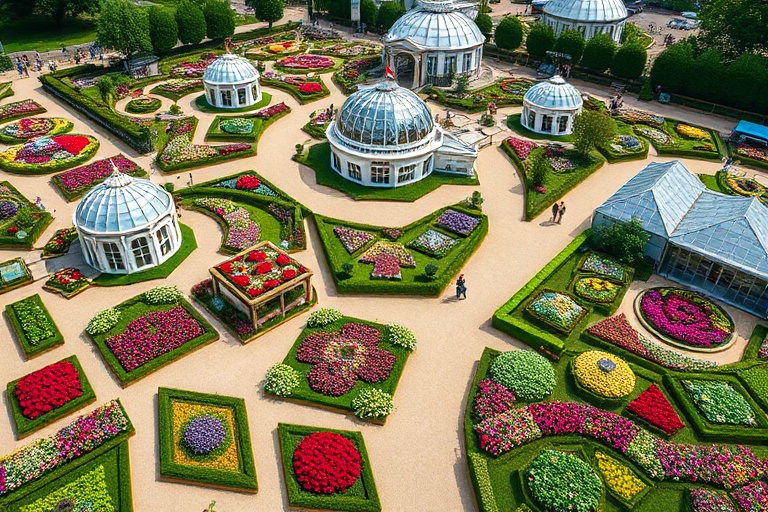
Scheduled for May 19–23, 2026, at the Royal Hospital Chelsea, the show will once again transform 11 acres of historic grounds into a living canvas of color, texture, and imagination. While the full lineup of designers and exhibits remains under wraps, industry insiders and exhibitors are already sharing insights into the themes and innovations likely to dominate the show.
The Evolution of a British Institution
Since its inception in 1913, the Chelsea Flower Show has mirrored societal shifts—from post-war austerity gardens to the eco-conscious designs of the 21st century. The 2026 edition arrives at a pivotal moment, as climate change, urbanization, and biodiversity loss reshape how we perceive and interact with green spaces.
According to Sarah Raven, a leading voice in British horticulture and frequent Chelsea contributor, “The show has always been about more than flowers. It’s a platform where society’s biggest questions about nature are explored through living art.” This sentiment is echoed by the Royal Horticultural Society (RHS), which has emphasized sustainability as a core focus for 2026. Expect to see gardens designed with carbon sequestration, water conservation, and native plant palettes at the forefront.
Notably, the RHS has announced a new award category for 2026: “Regenerative Landscapes.” This prize will recognize designs that go beyond sustainability to actively restore ecosystems. It reflects a growing recognition within horticulture that gardens must play a role in reversing environmental damage rather than merely minimizing harm.
Key Themes Emerging for 2026
The following themes are expected to define the 2026 Chelsea Flower Show, based on industry discussions and exhibitor previews:
- Climate-Resilient Gardening: Gardens designed to thrive in extreme weather, with drought-resistant plants and innovative irrigation systems.
- Biodiversity Hotspots: Urban wildlife gardens featuring native species, insect hotels, and bird-friendly planting schemes.
- Technology Integration: Smart gardens with IoT sensors, automated watering systems, and data-driven planting recommendations.
- Community-Centric Designs: Shared green spaces that foster social connection, mental well-being, and accessibility.
- Circular Economy Principles: Gardens built from reclaimed materials, with zero-waste construction and maintenance practices.
Innovation and Technology: The New Frontier of Horticulture
While Chelsea has always celebrated botanical artistry, the 2026 show is poised to showcase how technology can enhance—and sometimes redefine—garden design. One area gaining traction is the use of artificial intelligence to optimize plant selection and placement. Companies like GreenBot AI are developing platforms that analyze soil conditions, sunlight exposure, and climate data to recommend bespoke planting schemes for home gardeners and show designers alike.
Another innovation to watch is the rise of “living walls” integrated with renewable energy. These vertical gardens not only beautify urban spaces but can also generate power through photosynthesis-enhanced solar panels. A prototype of such a system was unveiled at last year’s Chelsea, and industry analysts predict it will feature prominently in 2026.
Sustainable materials are also taking center stage. Exhibitors are experimenting with mycelium-based growing mediums, biodegradable plastics for garden structures, and even lab-grown plant varieties that require fewer resources to cultivate. These advancements suggest that Chelsea is evolving from a showcase of static beauty into a laboratory for the future of green living.
The Broader Implications: Why Chelsea Matters Beyond the Showgrounds
The influence of Chelsea extends far beyond its temporary gardens. Each year, the show sets trends that ripple through the horticulture industry, influencing everything from nursery stock to landscaping practices in public and private sectors. The 2026 edition could have particularly far-reaching effects, given its focus on regenerative design and community engagement.
For instance, the emphasis on native planting and biodiversity aligns with the UK government’s Environmental Improvement Plan 2023, which aims to protect 30% of land and sea for nature by 2030. Chelsea’s platform could accelerate public and political buy-in for such initiatives, demonstrating that beautiful gardens and ecological health are not mutually exclusive.
Moreover, the show’s integration of technology highlights how horticulture is becoming a gateway to broader conversations about sustainability and innovation. As gardening becomes more data-driven, it may attract a new demographic of tech-savvy enthusiasts who see green spaces as both a hobby and a solution to global challenges.
There’s also a cultural dimension. In an era of increasing urbanization and digital disconnection, Chelsea reminds us of the therapeutic and communal value of nature. The show’s gardens often serve as temporary sanctuaries for visitors, offering a respite from the noise of modern life. This role has only grown in importance post-pandemic, as mental health and well-being remain top priorities for many.
Looking Ahead: What’s Next for Chelsea?
As the 2026 show approaches, several questions loom large. How will the RHS balance tradition with innovation? Will the new “Regenerative Landscapes” category inspire a permanent shift in how gardens are designed and judged? And perhaps most intriguingly, how might Chelsea influence the way we think about nature in an increasingly digital world?
One thing is certain: Chelsea Flower Show has never been just about flowers. It’s a mirror held up to society’s evolving relationship with the natural world—a place where art, science, and environmental stewardship converge. The 2026 edition will likely continue that tradition, offering both a feast for the senses and a challenge to reimagine our role within the ecosystem.
For those unable to attend in person, the show’s digital footprint is expanding. Virtual tours, augmented reality previews, and interactive plant databases are becoming standard, ensuring that Chelsea’s influence reaches a global audience. This digital evolution reflects a broader trend in horticulture, where online communities and e-commerce are reshaping how people engage with gardening.
As we count down to May 2026, one thing is clear: the Chelsea Flower Show remains as vital as ever—not just as an event, but as a cultural touchstone that reminds us of nature’s power to inspire, heal, and unite.
Final Thoughts: How to Make the Most of Chelsea 2026
If you’re planning to attend, consider these tips to enhance your experience:
- Plan ahead: Tickets sell out quickly, and popular exhibits often have long queues. Check the RHS website for timed entry options.
- Engage with exhibitors: Many designers and nurseries are happy to share insights into their work. Strike up conversations to learn more about the stories behind the gardens.
- Attend talks and workshops: The show’s lecture series features experts on everything from permaculture to garden photography. These sessions offer deeper context beyond the visual spectacle.
- Support sustainability: Bring a reusable water bottle and consider offsetting your travel emissions. The RHS is actively promoting eco-friendly practices among visitors.
- Explore beyond the showgrounds: London’s parks and gardens, such as the Barbican Conservatory or Kew Gardens, often host complementary events during Chelsea week.
Whether you’re a seasoned gardener, a design enthusiast, or simply someone who appreciates the beauty of nature, the Chelsea Flower Show 2026 promises to deliver inspiration, innovation, and a renewed sense of wonder. In a world that often feels divided, it’s a reminder of what we can achieve when we work with nature rather than against it.