Chelsea Flower Show: Trends, History, and Lasting Impact
The RHS Chelsea Flower Show stands as one of the most prestigious events in the horticultural calendar, drawing visitors, exhibitors, and industry professionals from around the globe. Since its inception in 1913, the show has evolved from a modest gardening exhibition into a world-renowned spectacle that blends artistry, science, and environmental consciousness.
Held annually on the grounds of the Royal Hospital Chelsea in London, the event spans five days and features an unparalleled display of garden designs, floral exhibits, and groundbreaking innovations. With attendance figures exceeding 160,000, Chelsea is not merely a showcase—it is a cultural touchstone where tradition meets cutting-edge creativity.
The Show’s Historical Significance and Evolution
The Chelsea Flower Show’s origins trace back to 1912, when the Royal Horticultural Society (RHS) organized its first exhibition at the Chelsea Hospital. Initially conceived as a fundraising event, it quickly gained traction among gardening enthusiasts and professionals alike. By the 1920s, the show had established itself as a must-attend event, attracting high-profile exhibitors and visitors.
World War II forced a temporary hiatus, but the show resumed in 1947 with renewed vigor. Post-war Britain saw Chelsea as a symbol of renewal and hope, with gardens reflecting the era’s practical and aesthetic sensibilities. Today, the show continues to adapt, incorporating modern themes such as sustainability, digital integration, and biodiversity.
Milestones That Shaped Chelsea
- 1913: First RHS Chelsea Flower Show held, featuring 244 exhibitors.
- 1927: The Great Pavilion was introduced, becoming an iconic feature of the event.
- 1988: The first Show Garden was introduced, raising the bar for design complexity and ambition.
- 2010: The introduction of the RHS Greening Grey Britain campaign, emphasizing urban greening.
- 2023: The show celebrated its 110th anniversary with a focus on climate resilience and regenerative gardening.
What Makes the Chelsea Flower Show Unique
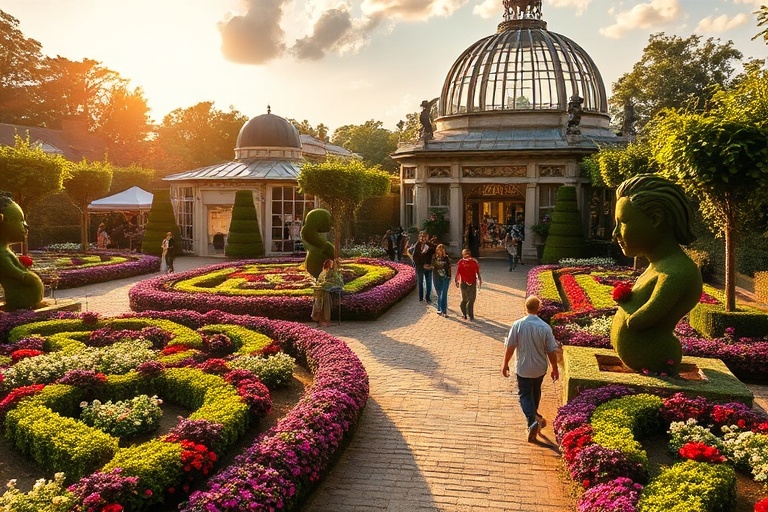
Chelsea is distinguished by its blend of horticultural excellence and artistic vision. Unlike trade-focused garden shows, Chelsea is a public event where visitors can immerse themselves in meticulously crafted gardens, floral displays, and interactive exhibits. The show’s categories—ranging from Show Gardens to Artisan Gardens and Fresh Gardens—cater to diverse interests and skill levels.
One of the most anticipated elements is the competition for gold, silver-gilt, silver, and bronze medals, awarded by RHS judges based on creativity, execution, and horticultural merit. Winning a medal at Chelsea can elevate a designer’s career overnight, often leading to high-profile commissions and media attention.
Key Features of the Chelsea Flower Show
- Show Gardens: Large-scale, professionally designed gardens often sponsored by leading brands. These gardens push boundaries in materials, technology, and sustainability.
- Artisan Gardens: Smaller, often handcrafted gardens that emphasize traditional skills and natural materials.
- Fresh Gardens: Experimental spaces that explore innovative planting schemes and unconventional layouts.
- The Great Pavilion: A 3-acre glasshouse showcasing rare and exotic plants, as well as cutting-edge floral arrangements.
- Talks and Workshops: Educational sessions led by renowned gardeners, designers, and scientists, covering topics from permaculture to digital garden design.
Beyond the displays, Chelsea serves as a networking hub for industry leaders. Designers, nurserymen, and suppliers converge to share ideas and forge partnerships. The show’s influence extends into retail, with many exhibitors launching new products that later appear in garden centers worldwide.
The Broader Implications of Chelsea Flower Show
The Chelsea Flower Show is more than an exhibition—it is a barometer for global trends in gardening, landscaping, and environmental stewardship. In recent years, the show has increasingly highlighted themes such as climate change, urban biodiversity, and regenerative agriculture. Gardens at Chelsea no longer merely impress aesthetically; they serve as blueprints for sustainable living.
For instance, the 2022 RHS Chelsea Garden of the Year, designed by Tom Massey, focused on water conservation and flood mitigation. Such themes resonate in an era where extreme weather events are becoming more frequent. Chelsea’s emphasis on drought-resistant planting and permeable surfaces reflects a growing recognition that gardens must adapt to environmental pressures.
Moreover, the show plays a pivotal role in public engagement with horticulture. With gardening experiencing a surge in popularity—fueled by the COVID-19 pandemic—Chelsea acts as both an inspiration and an educational resource. The RHS reports a 29% increase in membership applications following the show, underscoring its impact on fostering a deeper connection between people and plants.
The Economic and Cultural Impact
Chelsea is a significant economic driver for the horticultural industry. According to the RHS, the show generates millions in revenue annually, benefiting suppliers, contractors, and local businesses. Sponsorship deals with major brands such as M&G Investments and Viking Cruises further underscore its commercial appeal.
Culturally, the show has become a British institution, often featured in media coverage and public discourse. Its association with royalty—Queen Elizabeth II attended multiple times—adds to its prestige. Yet, Chelsea also embraces contemporary culture, with gardens reflecting societal shifts such as mental health awareness and community cohesion.
Looking Ahead: The Future of Chelsea
As the world grapples with environmental challenges, the Chelsea Flower Show is poised to play an even greater role in shaping the future of gardening. The RHS has committed to making Chelsea a carbon-neutral event by 2030, with initiatives such as eliminating single-use plastics and sourcing materials locally.
Digital innovation is another frontier. Augmented reality (AR) and virtual reality (VR) are beginning to appear at the show, allowing visitors to explore gardens in immersive ways. Meanwhile, social media platforms amplify Chelsea’s reach, with hashtags like #Chelsea2024 trending globally and attracting younger audiences.
The show’s ability to balance tradition with innovation ensures its continued relevance. Whether through the introduction of new plant varieties or the exploration of biophilic design—integrating nature into urban spaces—Chelsea remains at the forefront of horticultural evolution.
For those unable to attend, the RHS offers virtual tours and live streams, democratizing access to this world-class event. In doing so, Chelsea extends its influence far beyond the grounds of the Royal Hospital Chelsea, inspiring generations of gardeners and designers worldwide.
As we look to the future, the Chelsea Flower Show stands not just as a celebration of beauty, but as a call to action. It reminds us that gardens are more than decorative spaces—they are vital ecosystems, laboratories for sustainability, and sources of solace in an increasingly complex world.
For anyone with a passion for plants, design, or the environment, Chelsea is a pilgrimage. It is where the art of gardening meets the science of living, and where the past and future of horticulture converge in a burst of color, creativity, and hope.
To explore more about gardening trends and innovations, visit Dave’s Locker Culture section or dive deeper into Dave’s Locker Entertainment for related lifestyle content.