funerals
Funerals Through the Ages: A Global Exploration of Remembrance
Funerals have always served as more than just the conclusion of a life. They are cultural touchstones, historical documents etched in ritual and memory. From the towering pyramids of Egypt to the quiet tea ceremonies of Japan, the way societies farewell their dead reveals profound insights into their values, fears, and beliefs. What unites these diverse practices is a shared human need—to honor, to remember, and to find meaning in endings.
The Ancient Roots of Funeral Traditions
Some of the earliest funeral rites date back over 100,000 years, uncovered in archaeological sites like Qafzeh Cave in Israel. Here, early humans buried their dead with ochre-stained tools and animal bones, suggesting a belief in an afterlife or the symbolic importance of passage. The Egyptians took this further with elaborate mummification and the construction of pyramids, designed to preserve the body and soul for eternity. These practices weren’t merely about death—they were about continuity, legacy, and preparing for what came next.
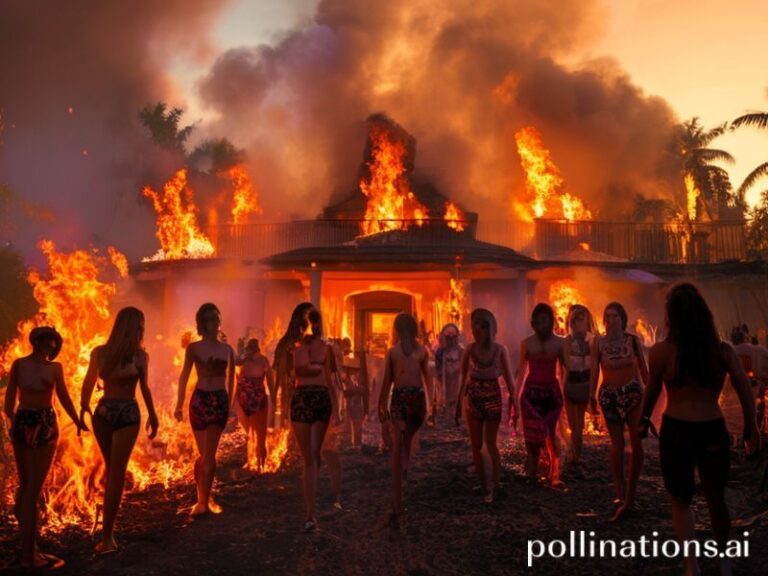
In contrast, ancient Viking funerals involved sending the deceased out to sea on burning ships, a ritual meant to honor strength and bravery while ensuring safe passage to the afterlife. The contrast between the silent preservation of Egypt and the fiery spectacle of Scandinavia highlights how geography, climate, and societal values shaped funeral customs long before global communication existed.
Cultural Variations in Modern Funerals
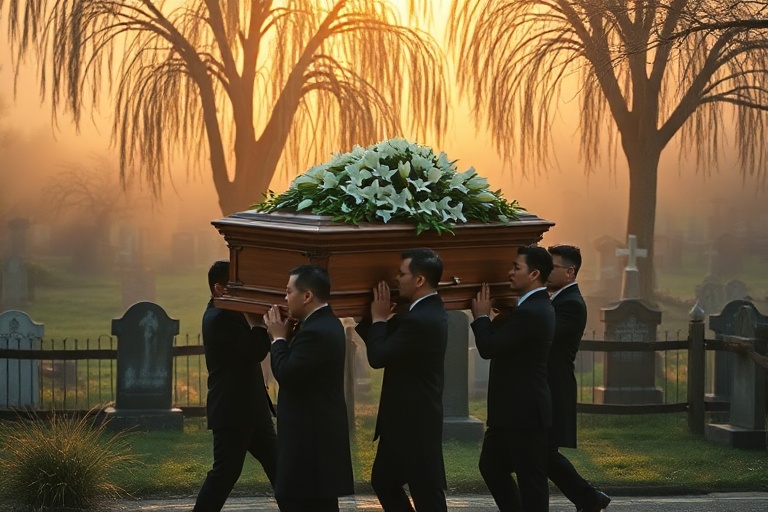
Today, funeral traditions remain deeply tied to cultural identity. In many Western nations, the norm is a somber service followed by burial or cremation. White hearses glide through quiet neighborhoods, and black attire signals collective grief. Yet even within this framework, nuances emerge. In New Orleans, jazz funerals blend mourning with celebration, as mourners transition from slow dirges to upbeat brass band tunes—a reflection of the city’s resilience and joie de vivre.
In India, Hindu funeral rites often span multiple days. The body is cremated on an open pyre, and the ashes are scattered in a sacred river, particularly the Ganges. The ceremony includes prayers, feasts, and rituals like the sraddha, where family members honor ancestors with offerings. This cycle of fire and water symbolizes purification and the eternal nature of the soul.
Meanwhile, in Japan, funerals are deeply influenced by Buddhist traditions. The body is cremated, and the bones are carefully collected with special chopsticks—a ritual known as kotsuage. The ashes are then interred in family graves or columbaria, with annual memorial services (Obon) where ancestors are invited back to visit. These practices reflect a belief in ancestral spirits and the importance of maintaining familial bonds across generations.
Contemporary Shifts: Personalization and Sustainability
Funeral customs are evolving in response to modern values. As society becomes more secular and individualistic, people are seeking personalized send-offs that reflect the unique lives of the deceased. Celebration-of-life ceremonies are replacing traditional funerals in many places. These events may include favorite music, storytelling, or even unconventional venues like parks, beaches, or sports stadiums.
Environmental concerns are also reshaping funeral practices. Traditional burials consume land and resources, while cremation releases carbon emissions. In response, alternatives like natural burials—where bodies decompose without embalming chemicals—are gaining traction. Another option is alkaline hydrolysis, a water-based process that reduces the body to its basic elements without flame. These choices reflect a growing desire to minimize environmental impact even in death.
Technology is playing an increasingly significant role. Livestreamed funerals allow distant loved ones to participate, while AI-generated eulogies and holographic memorials are emerging. Some companies now offer digital memorials where families can curate photos, videos, and messages for future generations. These innovations bridge the gap between tradition and modernity, ensuring that remembrance remains accessible in an increasingly digital world.
Funerals as Social and Political Acts
Funerals have long been platforms for social and political expression. In South Africa, Nelson Mandela’s funeral in 2013 drew global attention not only for its scale but for its symbolism of reconciliation and democracy. Similarly, the funerals of civil rights leaders like Martin Luther King Jr. and Harvey Milk became focal points for activism, amplifying calls for justice and equality.
In authoritarian regimes, funerals often become acts of defiance. During the Arab Spring, protesters used funerals as gatherings to voice dissent, knowing that the act of mourning could not be easily suppressed. The 2019 funeral of Iranian General Qasem Soleimani, attended by millions, demonstrated how funerals can mobilize populations and shape geopolitical narratives.
Even in less dramatic contexts, funerals reinforce social structures. In many African cultures, funerals are major communal events, with elaborate ceremonies that can last for days. These gatherings serve not only to honor the dead but to reinforce social bonds, settle disputes, and redistribute wealth through gifts and feasting. The funeral becomes a microcosm of the community itself.
The Psychology of Grief and Ritual
Beyond culture and politics, funerals serve a psychological purpose. Rituals provide structure during chaos, offering a framework for grief. The act of gathering, sharing stories, and participating in symbolic gestures helps mourners process loss. Psychologists note that those who engage in funeral rituals often experience more positive long-term emotional outcomes than those who do not.
However, the pressure to conform to traditional rituals can also create stress. In multicultural societies, families may struggle to balance different expectations. Should a Chinese-American family follow Buddhist rites or Western traditions? These decisions reflect broader tensions between heritage and assimilation.
Grief is deeply personal, yet funerals are inherently communal. This duality can be both comforting and challenging. The presence of others validates the mourner’s emotions, but it can also feel performative—requiring a display of strength or stoicism that doesn’t align with one’s true feelings.
Looking Ahead: The Future of Funerals
As society continues to change, so too will funeral practices. Several trends are likely to shape the future:
- Customization: Families will demand funerals that reflect the personality and values of the deceased, moving away from one-size-fits-all ceremonies.
- Sustainability: Eco-friendly options like biodegradable urns and tree pods will become mainstream as environmental awareness grows.
- Digital Integration: Virtual reality memorials, online guestbooks, and AI-driven tributes will offer new ways to remember.
- Global Fusion: As cultures blend, funeral practices may incorporate elements from multiple traditions, creating hybrid ceremonies.
Yet, despite these changes, the core purpose of funerals will likely remain unchanged. They will continue to be spaces where communities gather to confront mortality, celebrate life, and affirm their shared humanity. Whether through fire, water, song, or silence, the rituals of farewell endure.
In the end, funerals are not just about the dead. They are about the living—how we choose to remember, how we confront loss, and how we pass on the stories that define us. In a world of constant change, these rituals offer a rare and precious anchor: the chance to pause, reflect, and honor what truly matters.