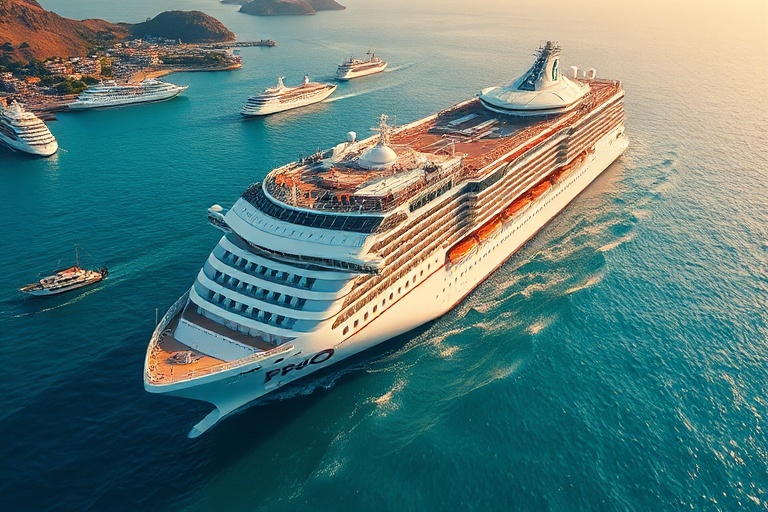
P&O Cruises: A British Icon Sailing Through Tradition and Innovation
P&O Cruises: A British Icon Navigating Global Waters
Since its founding in 1837, P&O Cruises has stood as a cornerstone of maritime hospitality, blending British tradition with modern luxury. Part of the Carnival Corporation, the cruise line operates primarily in the UK market but maintains a global footprint with itineraries spanning Europe, the Caribbean, and beyond. Unlike its sister brands focused on North American travelers, P&O Cruises crafts experiences tailored to British sensibilities—whether that means afternoon tea with scones or themed nights featuring live performances.
The company’s longevity speaks to its adaptability. While many cruise lines pivot toward mass-market appeal, P&O Cruises has maintained a balance between nostalgia and innovation. Its ships, such as the Arvia and Iona, feature cutting-edge design while retaining classic touches like grand dining rooms and ocean liners’ signature wood paneling. This approach has kept the brand relevant across generations, from retirees reminiscing about childhood voyages to millennials seeking Instagram-worthy pool decks and wellness retreats.
The Cultural Significance of P&O Cruises
In the UK, P&O Cruises is more than a vacation option—it’s a cultural institution. For many British families, a cruise with P&O represents a rite of passage, a multi-generational experience where grandparents, parents, and children share cabins and memories. The line’s partnership with ITV in the UK, including sponsorships of shows like Coronation Street, reinforces its place in the national consciousness. Cruises often feature themes tied to British pop culture, from 1960s music nights to West End-style performances.
Globally, P&O Cruises occupies a unique niche. While Norwegian Cruise Line and Royal Caribbean dominate the U.S. market with sprawling megaships, P&O’s vessels—though still substantial—prioritize intimacy and tradition. This distinction appeals to travelers who prefer smaller crowds and curated itineraries. For instance, its Mediterranean routes often include overnight stays in ports like Venice or Barcelona, allowing passengers to immerse themselves in local culture without the rush of day trips.
The line’s commitment to British identity extends to its cuisine. Menus feature classics like fish and chips alongside international options, but the afternoon tea service remains sacrosanct. Onboard bakeries churn out scones with clotted cream, while sommeliers curate wine lists heavy on Old World varietals. This attention to detail has earned P&O a reputation as a cruise line that doesn’t just transport passengers but transports them to another era.
Sustainability and the Future of P&O Cruises
As the cruise industry faces scrutiny over its environmental impact, P&O Cruises has taken steps to address sustainability. The Arvia, launched in 2022, is one of the most eco-friendly ships in the fleet, powered by liquefied natural gas (LNG) to reduce emissions. The company has also committed to reducing single-use plastics and improving waste management across its operations. These efforts align with Carnival Corporation’s broader goal of achieving net-zero emissions by 2050.
However, challenges remain. Cruise ships are often criticized for their carbon footprints and contributions to overtourism in destinations like Dubrovnik or Santorini. P&O has responded by adjusting itineraries to include less crowded ports and offering excursions that support local economies. For example, in the Caribbean, the line partners with community-led tours that highlight sustainable fishing practices and heritage sites.
Technological innovation is another focus. P&O Cruises has introduced digital check-ins, AI-powered concierge services, and even virtual reality excursions for passengers unable to disembark. These tools cater to younger travelers who expect seamless, tech-driven experiences without sacrificing the charm of a traditional cruise.
Comparing P&O Cruises to Global Competitors
P&O Cruises occupies a distinct space in the global cruise market. Here’s how it stacks up against other major lines:
- Cunard Line: While Cunard leans into transatlantic crossings and luxury with ships like the Queen Mary 2, P&O focuses on shorter, more diverse itineraries. Both share a British heritage but cater to different demographics—Cunard appeals to luxury seekers, while P&O targets families and mid-range travelers.
- Royal Caribbean: Royal Caribbean’s megaships, such as the Symphony of the Seas, prioritize entertainment with features like surf simulators and ice-skating rinks. P&O’s ships offer fewer bells and whistles but emphasize relaxation and cultural immersion.
- MSC Cruises: MSC targets European travelers with affordable, family-friendly cruises. P&O’s prices are competitive, but its British identity and onboard experiences set it apart.
- Disney Cruise Line: Disney focuses on families with themed characters and youth clubs. P&O’s family offerings are less gimmicky, appealing to parents who prefer a more sophisticated vibe.
P&O’s strength lies in its ability to blend tradition with modernity. While competitors chase trends like extreme water slides or celebrity chef partnerships, P&O sticks to its core strengths: exceptional service, British flair, and thoughtful itineraries. This consistency has fostered a loyal customer base that values reliability over novelty.
Why P&O Cruises Remains Relevant Today
In an era where travel options are nearly limitless, P&O Cruises endures because it offers something intangible: a sense of place. Whether it’s the hum of a ship’s engines as it glides past the Norwegian fjords or the clink of teacups in the onboard library, the experience feels familiar yet fresh. For British travelers, it’s a way to see the world without leaving behind the comforts of home. For international guests, it’s a window into British culture.
The cruise line’s future hinges on its ability to evolve without losing its soul. As sustainability becomes non-negotiable and younger generations prioritize experiences over possessions, P&O must continue innovating—whether through hybrid-powered ships or partnerships with local artisans at its ports. Yet its greatest asset remains its heritage. In a fast-changing world, there’s solace in the steady rhythm of a cruise ship’s journey and the timeless rituals of onboard life.
For those considering a P&O voyage, the advice is simple: embrace the traditions, but don’t shy away from the new. Whether you’re swaying to a live band in the Caribbean or watching dolphins from the deck of a Mediterranean-bound ship, the magic of P&O lies in its ability to make the extraordinary feel ordinary—and the ordinary feel extraordinary.
To explore more about cruise travel, check out our guide to Travel Destinations or our analysis of Entertainment at Sea.
Conclusion: A Voyage Through Time and Tradition
P&O Cruises is more than a travel company; it’s a living archive of maritime history, a bridge between eras, and a testament to the enduring appeal of the sea. In an industry often criticized for its excesses, P&O’s commitment to balance—between innovation and tradition, luxury and accessibility, global reach and local charm—sets it apart. As it sails into the future, the line carries with it the dreams of generations of travelers who have found joy, relaxation, and connection on its decks. Whether you’re a first-time cruiser or a seasoned sailor, a voyage with P&O is a journey worth taking.