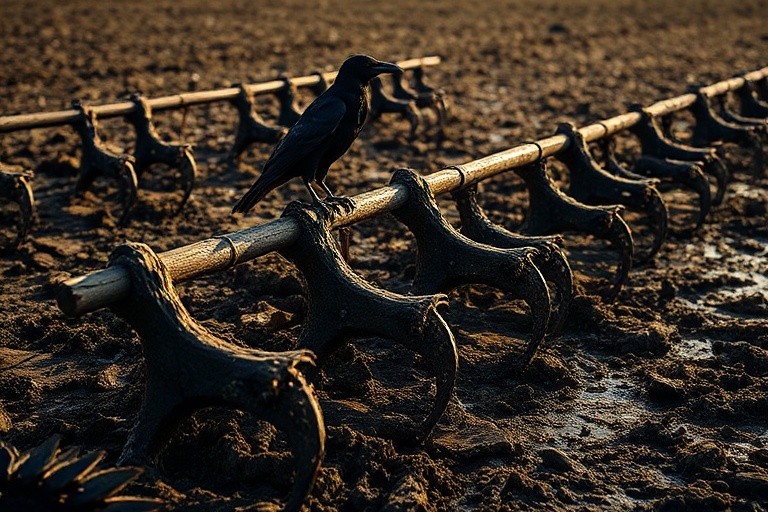
Harrow: History, Design, and Cultural Impact of the Classic Tool
The harrow is more than just a farming implement—it’s a symbol of agricultural tradition, engineering precision, and historical continuity. Used for centuries to prepare soil for planting, the harrow’s design has evolved from simple wooden frames to sophisticated metal constructions. Its influence extends beyond the farm, appearing in military history, cultural symbolism, and even modern adaptations. This article explores the harrow’s origins, its technical evolution, and its unexpected roles in society.
The Origins and Early Development of the Harrow
The harrow’s history traces back to ancient civilizations, where early farmers needed tools to break up soil and create a smooth seedbed. Archaeological evidence suggests that rudimentary harrows were used in Mesopotamia as early as 3000 BCE. These early versions were likely made from branches or animal bones dragged across fields to loosen the earth.
By the Middle Ages, the harrow had become a staple in European agriculture. The first recorded mention of a harrow in England dates to the 13th century, where it was described as a “harrow” in medieval farming manuals. These early harrows were typically wooden, consisting of a frame with spikes or teeth that were dragged behind oxen or horses. The design was simple but effective, reflecting the agricultural needs of the time.
The harrow’s role in medieval farming was crucial. It prepared the soil for planting by breaking up clods, aerating the earth, and incorporating manure or crop residues. Unlike the plow, which turned the soil, the harrow refined it, creating an ideal environment for seeds to germinate. This dual function—breaking and smoothing—made the harrow indispensable in pre-industrial agriculture.
Evolution of Design: From Wood to Modern Engineering
The harrow’s design underwent significant changes during the Industrial Revolution. The shift from wood to metal in the 19th century revolutionized its construction and durability. Early metal harrows were often made from cast iron, which was heavy but sturdy. However, these designs were prone to breaking under the stress of rocky or compacted soil.
By the late 1800s, manufacturers began experimenting with spring tine harrows, which used flexible steel teeth to absorb shock and maintain consistent soil contact. This innovation allowed farmers to work in a wider range of conditions without damaging the implement. The introduction of adjustable harrows in the early 20th century further enhanced their versatility, enabling farmers to adapt the harrow’s aggressiveness based on soil type and moisture levels.
Modern harrows come in various forms, each tailored to specific agricultural needs:
- Disc harrows: Use a series of concave discs to cut through soil and mix residues. Ideal for heavy, clay-rich soils.
- Chain harrows: Feature interconnected chains that drag across the soil, breaking up clods and spreading organic matter.
- Tine harrows: Employ rigid or spring-mounted tines to penetrate and aerate the soil without inverting it.
- Power harrows: Combine a rotating tine mechanism with a power source, offering precise soil preparation for modern precision farming.
The harrow’s evolution reflects broader agricultural advancements, from mechanization to precision farming. Today, harrows are often integrated into larger tillage systems, working in tandem with plows, cultivators, and seed drills to optimize soil conditions for planting.
The Harrow in Military and Cultural Contexts
While the harrow is primarily an agricultural tool, its design and name have found unexpected applications in military and cultural contexts. During World War II, the British military developed a device called the “Harrow” mine detector. This portable, hand-pushed implement used a harrow-like frame with rotating discs to safely detonate buried landmines. Its name was a nod to the farming tool, symbolizing its role in “clearing the ground” of hidden threats.
The harrow’s symbolic presence extends beyond warfare. In British folklore, the harrow is sometimes associated with rituals of purification and renewal. Its repetitive, rhythmic motion—dragging tines across the soil—has been likened to the act of “combing out” impurities, both literal and metaphorical. This connection is evident in regional traditions where harrows were used in ceremonial plowing to bless the land or ward off evil spirits.
In literature and art, the harrow often represents the intersection of labor, tradition, and progress. Writers like Thomas Hardy and George Eliot frequently referenced harrows in their depictions of rural life, using the tool as a metaphor for the cyclical nature of farming and the relentless toil of agricultural workers. These references highlight the harrow’s dual role as both a practical instrument and a cultural icon.
Modern Adaptations and the Future of Harrowing
In the 21st century, the harrow continues to adapt to the demands of modern agriculture. One of the most significant trends is the integration of harrows with GPS and precision agriculture technologies. Farmers can now program harrows to work specific sections of a field with centimeter-level accuracy, reducing overlap and optimizing resource use. This level of precision was unimaginable even a few decades ago.
Another innovation is the rise of eco-friendly harrows designed to minimize soil disturbance. Conservation tillage practices, which aim to reduce erosion and preserve soil structure, have led to the development of low-disturbance harrows. These implements gently aerate the soil without inverting it, preserving organic matter and promoting beneficial microbial activity.
The harrow’s role in sustainable farming is also gaining attention. As regenerative agriculture gains traction, harrows are being used to incorporate cover crops into the soil, a practice that enhances soil health and sequesters carbon. This shift reflects a broader movement toward tools that not only prepare the soil but also restore it.
For those interested in exploring more about agricultural tools and their historical significance, Dave’s Locker History category offers in-depth articles on farming implements and their cultural impact. Similarly, the Technology category covers modern innovations in agricultural machinery, including advancements in harrow design.
Conclusion: The Harrow’s Enduring Legacy
The harrow’s journey from a simple wooden frame to a high-tech precision instrument is a testament to human ingenuity and adaptability. What began as a tool to prepare soil for planting has become a symbol of agricultural heritage, military innovation, and cultural symbolism. Its evolution mirrors the broader changes in farming—from manual labor to mechanization, from tradition to technology.
As agriculture faces new challenges, including climate change and resource scarcity, the harrow remains a vital tool. Its ability to adapt to modern needs while retaining its core function ensures its place in farming for generations to come. Whether used in a family-owned farm or a large-scale agribusiness, the harrow continues to play a silent but essential role in feeding the world.
For farmers and enthusiasts alike, understanding the harrow’s history and design offers a glimpse into the past while inspiring future innovations. As we look ahead, the harrow stands not just as a relic of agricultural history but as a living testament to humanity’s enduring relationship with the land.