How Prices Shape What We Buy: The Hidden Forces Behind Every Purchase
Prices are the silent architects of modern commerce. They determine what we bring home from the store, what businesses choose to produce, and even how societies allocate resources. At their core, prices reflect the intersection of supply and demand, but their influence extends far beyond simple transactions. They inform decisions, signal opportunity, and sometimes even distort reality.
What we often overlook is how deeply embedded prices are in our daily lives. From the moment we wake up to the second we fall asleep, prices guide our choices—sometimes subtly, other times with brute force. Understanding their mechanics reveals much about the economy, human behavior, and the systems we’ve built around them.
The Psychology Behind the Numbers
Prices don’t just reflect costs; they influence perception. Studies in behavioral economics show that consumers often rely on price as a proxy for quality, even when objective measures suggest otherwise. A $20 bottle of wine might taste better than a $5 one, but blind taste tests frequently disprove that assumption. Yet, the higher price creates an expectation that shapes the experience.
This phenomenon isn’t limited to luxury goods. Discounts and sales trigger a psychological rush, making us believe we’re getting a deal even when the original price was inflated. The “99-cent” pricing strategy, for example, leverages the brain’s tendency to round down, making purchases feel less significant. Retailers exploit these quirks to steer consumer behavior, turning prices into tools of persuasion.
The Role of Context in Pricing
Context matters more than absolute numbers. A $100 dinner in a low-income neighborhood feels extravagant, while the same meal in a high-end restaurant might seem reasonable. This relativity is why businesses often anchor prices to higher alternatives. Restaurants, for instance, include expensive dishes on menus to make mid-priced options appear affordable by comparison.
Subscription models rely on this principle. A $9.99 monthly fee for streaming feels trivial when compared to a $100 cable bill. Yet, when aggregated across years, the costs can exceed traditional alternatives. Prices, in this sense, are as much about framing as they are about value.
The Ripple Effects of Price Fluctuations
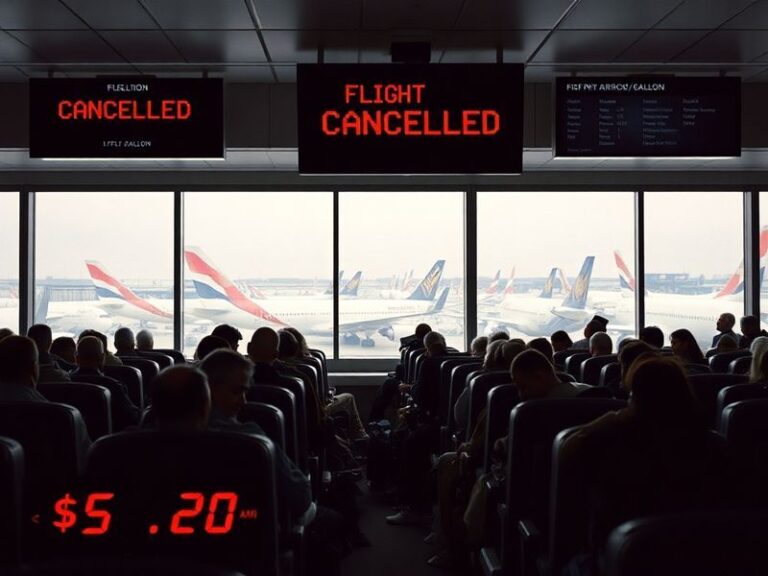
When prices shift, the consequences ripple through the economy. A sudden rise in fuel costs doesn’t just affect gas stations; it increases shipping fees, raises food prices, and even alters vacation plans. These secondary effects highlight how interconnected modern markets are. A decision made in one sector can trigger cascading changes elsewhere.
Inflation, the broad rise in prices over time, erodes purchasing power. For consumers, this means that the same salary buys fewer goods today than it did a decade ago. For businesses, it complicates pricing strategies and profit margins. The Federal Reserve, for instance, monitors inflation closely, adjusting interest rates to curb its impact. Prices, in this context, become a barometer for economic health.
How Prices Shape Industry
Industries adapt to price pressures in different ways. Technology companies often slash prices to gain market share, knowing that increased volume will offset lower margins. Smartphone manufacturers, for example, frequently reduce prices on older models to clear inventory and make room for new releases. This strategy keeps products accessible while driving innovation.
On the other hand, luxury brands do the opposite. By maintaining high prices, they preserve exclusivity and brand prestige. A $5,000 handbag isn’t just about functionality; it’s about signaling status. Prices, in this case, become a form of social currency.
The Ethics of Pricing
Prices aren’t always transparent, and that opacity can lead to ethical dilemmas. Dynamic pricing, where costs fluctuate based on demand or even a customer’s location, raises questions about fairness. Airlines, hotels, and ride-sharing services use algorithms to adjust prices in real time, sometimes charging more during peak hours or in affluent areas. Critics argue this practice exploits consumers, particularly those who lack the time or resources to shop around.
Another contentious issue is price gouging during crises. When natural disasters strike, some sellers dramatically inflate prices for essentials like water, generators, or even hand sanitizer. While free markets allow for such behavior, it clashes with societal expectations of compassion. Governments often intervene with price caps to prevent exploitation, highlighting the tension between economic freedom and ethical responsibility.
Who Really Pays the Price?
The burden of pricing isn’t evenly distributed. Low-income households spend a larger portion of their income on necessities like groceries and utilities, leaving little room for discretionary spending. When prices rise, these households feel the impact first and hardest. This disparity underscores why discussions about pricing must include considerations of equity and accessibility.
Businesses, too, face pressures that influence pricing decisions. Small businesses often struggle to compete with larger corporations that benefit from economies of scale. A local bookstore, for example, can’t match the discount prices of an online retail giant, forcing it to focus on niche offerings or personalized service. Prices, in this sense, reflect power dynamics within the economy.
Navigating the Price Landscape
For consumers, understanding prices requires more than just comparing numbers. It demands awareness of context, intent, and hidden costs. Here are key considerations when evaluating prices:
- Total Cost of Ownership: The sticker price isn’t always the final cost. Cars, appliances, and even phones come with ongoing expenses like maintenance, repairs, and energy consumption. Factoring these into the decision can reveal better long-term value.
- Opportunity Cost: Every purchase represents a trade-off. Spending $200 on a pair of shoes means forgoing other potential uses for that money, whether it’s savings, investments, or experiences. Evaluating what you’re giving up is crucial.
- Price vs. Value: Price is what you pay; value is what you receive. A $10 meal might be a bargain if it’s delicious and filling, but a $100 meal could be a waste if it’s mediocre. Align prices with personal priorities.
- Market Trends: Prices fluctuate based on supply, demand, and external factors like inflation or geopolitical events. Staying informed about these trends can help consumers time purchases for better deals.
- Ethical Considerations: Supporting businesses that align with your values—whether through fair labor practices, sustainability, or community impact—can influence where you spend your money. Prices aren’t just about economics; they’re about ethics.
For businesses, pricing strategies should balance competitiveness with sustainability. Charging too little can undermine profitability, while charging too much can alienate customers. Finding the sweet spot requires data, experimentation, and a deep understanding of the target audience.
Conclusion: The Power and Peril of Prices
Prices are more than numbers on a tag; they are the language of commerce, the language of choice, and sometimes the language of inequality. They shape industries, influence behavior, and reflect the values of a society. Yet, they are also tools that can be wielded with care or exploited without remorse.
As consumers, we hold the power to challenge the status quo. By asking questions, seeking transparency, and prioritizing ethical considerations, we can push for a pricing landscape that’s fairer and more reflective of true value. As businesses, recognizing the broader implications of pricing decisions can lead to more sustainable and customer-centric practices.
In the end, prices are a mirror. They don’t just reflect the cost of goods; they reflect the health of our economy, the priorities of our society, and the choices we make every day. Understanding them is the first step toward making smarter, more informed decisions—both as individuals and as a collective.
For those interested in exploring the intersection of economics and daily life, Dave’s Locker News offers insights into market trends and consumer behavior. To dive deeper into the mechanics of modern commerce, Dave’s Locker Business provides analysis on pricing strategies and industry shifts.