season tickets
What Season Tickets Really Represent
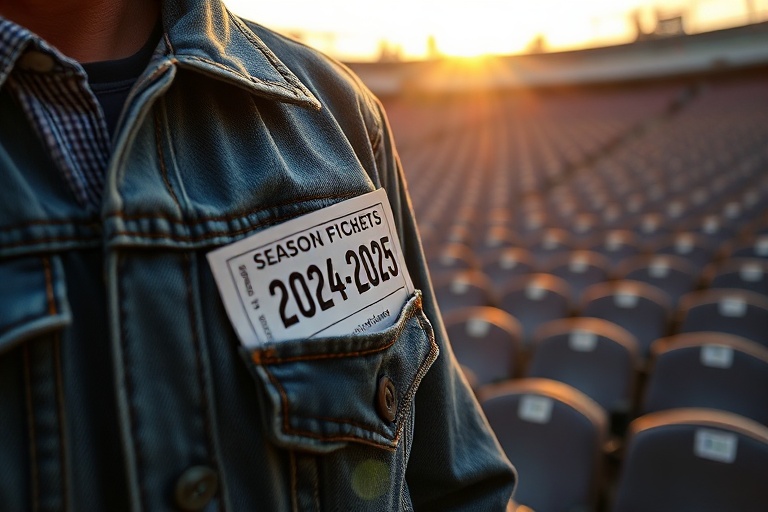
Season tickets are more than just a financial transaction—they are a commitment to a shared experience. Fans who purchase them are not merely buying entry to games or events; they are investing in a season-long narrative that binds them to a community. This tradition dates back over a century in organized sports, where season ticket holders were once the backbone of team revenue and attendance. Today, while the model has evolved with technology and shifting consumer habits, the emotional core remains intact.
In many cultures, season tickets serve as a status symbol. In Japan, for example, corporate season ticket holders often gift them to clients or employees as a gesture of goodwill. In Europe, football clubs like Manchester United and Bayern Munich treat season ticket holders with exclusive perks, from priority access to merchandise discounts. These tickets are not just about watching a game—they’re about belonging to an institution.
The Economics Behind the Pass
From a business perspective, season tickets provide stability. Sports teams, concert venues, and theater companies rely on this upfront revenue to fund operations, player contracts, and production costs. The bulk payment from season ticket sales allows organizations to budget with confidence, often months in advance. For fans, the long-term savings are significant: buying tickets individually for every event can cost 20-30% more than a season package.
However, the model is under pressure. Rising ticket prices, the rise of secondary markets like StubHub, and the growing popularity of streaming services have made casual attendance more appealing. Some teams have responded by offering flexible plans—such as partial season packages or payment plans—to keep fans engaged. Others have introduced dynamic pricing models that adjust based on demand, making season passes less predictable in value.
In the concert industry, season ticket programs are less common but not unheard of. Festivals like Coachella and Glastonbury offer multi-day passes that function similarly, though they are typically sold as single-event purchases. Broadway theaters in New York have experimented with subscription-based models, giving patrons access to multiple shows at a reduced rate. These adaptations reflect a broader trend: the season ticket is evolving, but its purpose—fostering loyalty—remains unchanged.
A Global Perspective on Fan Loyalty
Season ticket culture varies dramatically around the world. In North America, the NFL, NBA, MLB, and NHL have long relied on season ticket programs to fill stadiums. The NFL, in particular, has seen season ticket sales remain robust despite high prices, thanks in part to the league’s cultural dominance and the emotional investment of fans. The Dallas Cowboys, for instance, have maintained a waiting list for season tickets that stretches over a decade.
In contrast, European football clubs operate on a different model. While season tickets are highly coveted, they are often limited in availability due to high demand. Clubs like FC Barcelona and Real Madrid allocate a significant portion of their stadium seats to season ticket holders, with prices that reflect both the club’s prestige and the local economy. In some cases, these tickets become family heirlooms, passed down through generations.
Asia offers another fascinating case. In South Korea, baseball teams like the Doosan Bears and LG Twins have cultivated passionate fan bases through affordable season ticket programs. The KBO League’s ticket prices are among the lowest in professional sports, making season passes accessible to a broader audience. This accessibility has contributed to record attendance numbers and a loyal, diverse fanbase.
The cultural significance of season tickets extends beyond sports. In classical music, season subscriptions to orchestras like the Vienna Philharmonic or the London Symphony Orchestra are a tradition that ensures financial stability for the institutions. These patrons are often wealthy individuals or corporations, but they also include music enthusiasts who value the continuity of the experience.
The Perks and Pitfalls of Season Ticket Ownership
Owning a season ticket comes with tangible benefits. Many programs include perks such as:
- Exclusive merchandise discounts or early access
- Invitations to meet-and-greets with players or performers
- Priority parking and seating upgrades
- Access to members-only events or behind-the-scenes tours
- Resale rights, allowing ticket holders to profit from unused seats
However, the responsibility of ownership can also be a burden. Fans who miss games due to work, health, or other commitments may feel guilty about not using their tickets. In some cases, season ticket holders resell their unused tickets at a loss, while others donate them to charity or give them to friends. The secondary market has complicated this dynamic, as fans can now easily offload tickets without attending events themselves.
Another challenge is the risk of team underperformance. A fan who commits to a full season of a struggling sports team may feel their investment was wasted, both financially and emotionally. This is particularly true in leagues with no relegation, where poor performance can persist for years. Clubs that recognize this risk often introduce performance-based incentives, such as refunds or discounts for seasons with low wins.
The Future of Season Tickets in a Digital World
The digital revolution has transformed how fans engage with season tickets. Mobile apps now allow ticket holders to transfer, sell, or donate seats with a few taps. Some teams have integrated blockchain technology to verify ticket authenticity and prevent scalping. Others are experimenting with NFT-based season passes, which offer digital collectibles and exclusive online content in addition to physical access.
Yet, the most significant shift may be the rise of dynamic pricing and subscription models. Services like SeatGeek and Gametime have made it easier than ever to buy single-game tickets, reducing the urgency to commit to a full season. In response, teams are reimagining the season ticket as part of a broader membership program. The Atlanta Braves, for example, offer a “Braves Club” membership that includes season tickets, but also discounts at team restaurants, invitations to social events, and access to a members-only lounge.
For smaller leagues and independent venues, the challenge is even greater. Minor league baseball teams and regional theater companies often struggle to sell season tickets in a market dominated by streaming and on-demand entertainment. To compete, they are turning to community-building strategies, such as fan meetups, local partnerships, and interactive experiences that cannot be replicated online.
Despite these changes, the emotional appeal of season tickets endures. There is something uniquely powerful about marking time by the rhythm of a season—whether it’s the first pitch of baseball’s Opening Day, the opening night of a Broadway show, or the first concert of a summer festival. These moments create memories that extend far beyond the event itself.
A Tradition Worth Preserving
Season tickets are more than a financial arrangement; they are a covenant between fans and the institutions they support. While the economics and logistics of season ticket programs will continue to evolve, their cultural value is unlikely to fade. In an era of instant gratification, the season ticket represents patience, commitment, and a long-term investment in shared experiences.
For teams and organizations, the lesson is clear: the most successful season ticket programs are those that go beyond the transaction. They foster a sense of belonging, offer meaningful perks, and create opportunities for fans to connect with one another. When done right, season tickets transform casual spectators into lifelong advocates—and that loyalty is priceless.
For fans, the choice to purchase a season ticket is a personal one. It requires weighing the cost against the convenience, the commitment against the flexibility, and the tradition against the uncertainty of the future. But for those who take the leap, the rewards—whether it’s the thrill of a last-second win, the joy of a standing ovation, or the simple pleasure of belonging—are often worth the price.