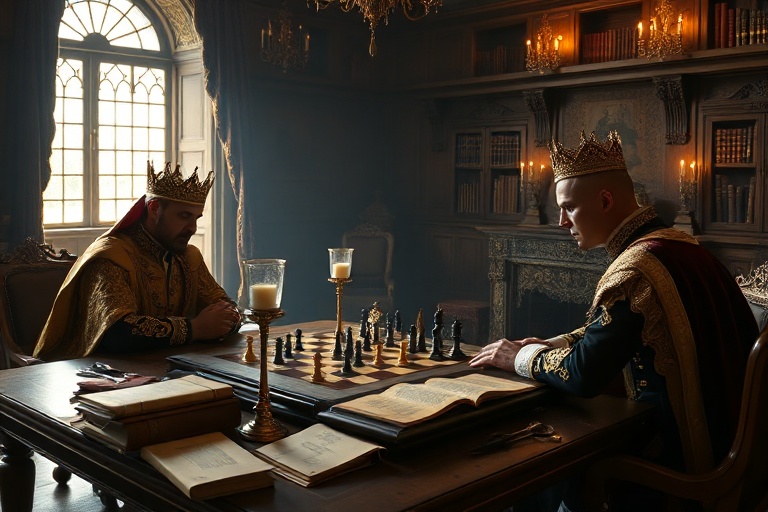
How Royals Games Are Redefining Virtual Power and Legacy
From Medieval Courts to Mobile Screens: The Unexpected Evolution of Gaming Royalty
The concept of royalty has always fascinated humanity. From the intrigue of medieval courts to the modern obsession with celebrity dynasties, the allure of power and prestige transcends generations. Today, this fascination has found a new stage—not in the halls of palaces, but in the digital landscapes of video games. The “Royals Game” phenomenon represents more than just a trend; it signals a fundamental shift in how gaming communities interact with narrative, competition, and social status.
Games that center around royal themes have existed for decades, but recent titles have transformed the idea into something far more interactive. Players are no longer passive observers of royal drama—they become active participants in shaping kingdoms, forging alliances, and even overthrowing monarchs. This evolution reflects broader cultural movements where audiences demand agency in their entertainment experiences.
The Rise of Interactive Royalty in Gaming
One of the most striking aspects of the Royals Game trend is its ability to blend historical inspiration with modern gameplay mechanics. Titles like Crusader Kings III and Europa Universalis IV allow players to navigate the complexities of medieval rule, managing everything from diplomacy to warfare. These games aren’t just about conquest—they’re about legacy. Players invest years of gameplay into building dynasties that can span generations within the game’s timeline.
Meanwhile, mobile games such as Evony: The King’s Return and Rise of Kingdoms have democratized the royal experience. These games simplify complex strategies into bite-sized sessions, making them accessible to a broader audience. The result is a surge in players who might never have considered themselves “gamers” before, drawn in by the promise of ruling their own virtual empires.
Why Royalty Resonates in the Gaming Community
Gaming communities have long been drawn to narratives of power and ambition. The Royals Game taps into this fascination by offering players a chance to experience the thrill of leadership without the real-world consequences. There’s a psychological appeal here: the desire to control one’s destiny, to rise above the masses, and to leave a mark on history—even if it’s only within the confines of a game.
Moreover, the social aspect of these games cannot be overstated. Many Royals Games incorporate multiplayer elements, allowing players to form alliances, compete in tournaments, or even engage in elaborate role-playing scenarios. For example, Crusader Kings III has a thriving modding community that creates custom scenarios, from alternate history timelines to entirely fictional realms. This collaborative creativity fosters a sense of belonging and shared purpose among players.
The Broader Implications of Gaming Royalty
The popularity of Royals Games extends beyond entertainment. It reflects a growing interest in historical education and critical thinking. Games like Civilization VI and Total War: Warhammer challenge players to understand the nuances of governance, economics, and warfare. As educational institutions increasingly recognize the value of game-based learning, titles centered around royal themes could play a role in making history more engaging for younger audiences.
There’s also a commercial dimension to consider. The gaming industry is projected to surpass $200 billion in revenue by 2024, and Royals Games are a significant contributor to this growth. Developers are investing heavily in these titles, recognizing their potential to attract both casual and hardcore gamers. The success of these games has even led to spin-offs, merchandise, and even esports tournaments dedicated to royal-themed competitions.
What’s Next for the Royals Game Genre?
The future of Royals Games looks promising, with several trends poised to shape the genre. One of the most exciting developments is the integration of blockchain technology. Games like Age of Rust and Ether Kingdoms are experimenting with non-fungible tokens (NFTs) to allow players to truly own in-game assets, including royal titles and lands. While this innovation is controversial, it represents a bold step toward redefining digital ownership in gaming.
Another area of growth is virtual reality (VR). Imagine stepping into the shoes of a medieval monarch, surrounded by the sights and sounds of a bustling castle. VR could revolutionize how players experience royal life, making the fantasy feel even more immersive. Titles like Kingdom Come: Deliverance VR are already hinting at this potential, though widespread adoption may still be years away.
As the genre evolves, so too will the expectations of players. The demand for more realistic simulations, deeper storytelling, and greater customization will push developers to innovate. The Royals Game of tomorrow may not resemble the titles we know today, but one thing is certain: the fascination with power, legacy, and rule will continue to captivate gamers for generations to come.
Key Takeaways: What Makes the Royals Game Genre Stand Out
- Interactive Storytelling: Players aren’t just spectators; they actively shape the narrative of their kingdoms.
- Historical and Cultural Depth: Many Royals Games draw from real-world history, offering a blend of education and entertainment.
- Social and Collaborative Play: Multiplayer features encourage community building, alliances, and competition.
- Educational Potential: These games can make history and strategy more accessible to younger audiences.
- Commercial Viability: The genre is a major revenue driver, with opportunities for spin-offs and esports integration.
Looking Beyond the Throne: The Cultural Impact of Gaming Royalty
The rise of Royals Games is more than a passing trend—it’s a reflection of deeper cultural shifts. In an era where traditional institutions of power are often scrutinized, gaming offers a safe space to explore the dynamics of leadership, governance, and ambition. It allows players to experiment with different styles of rule, from benevolent monarchies to ruthless dictatorships, all within a controlled environment.
This experimentation extends to social dynamics as well. In multiplayer Royals Games, players must navigate complex relationships, balancing cooperation with competition. These interactions mirror real-world social structures, offering a low-stakes environment to practice negotiation, diplomacy, and conflict resolution. For many, these games serve as a training ground for developing real-world skills.
Moreover, the genre has given rise to a new wave of content creators. Streamers and YouTubers who focus on Royals Games have amassed large followings, sharing their strategies, triumphs, and failures with audiences worldwide. Platforms like Twitch and YouTube have become hubs for discussing the nuances of royal gameplay, fostering a sense of community among fans.
For those interested in exploring this genre further, Dave’s Locker’s Trending section offers the latest updates on popular Royals Games and related trends. Additionally, the Analysis category provides in-depth reviews and critiques of the genre’s most influential titles.
Conclusion: The Enduring Allure of Virtual Crowns
The Royals Game phenomenon is a testament to gaming’s power to transform passive entertainment into active participation. By placing players in the role of monarchs, these games tap into age-old desires for control, legacy, and influence. Whether it’s the strategic depth of a grand strategy title or the immediacy of a mobile empire-builder, there’s something undeniably compelling about ruling a kingdom—even if it’s only pixels on a screen.
As technology advances and player expectations evolve, the Royals Game genre will undoubtedly continue to grow and diversify. What remains constant, however, is the human fascination with power and the stories we tell to make sense of it. In the world of gaming, the crown isn’t just a symbol of authority—it’s an invitation to play god, to rewrite history, and to leave a legacy that transcends the confines of the game.