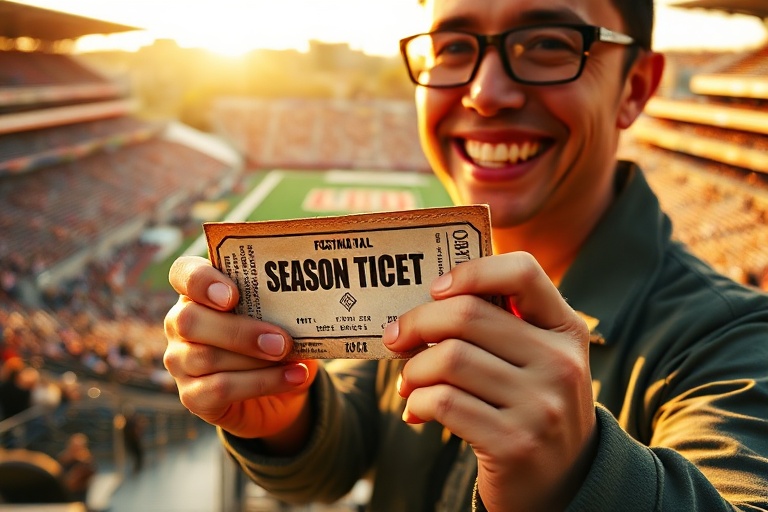
Why Season Tickets Remain Essential for Fans and Organizations
Season tickets have long been a cornerstone of fan engagement across sports, music, and entertainment. They offer more than just access—they create a sense of belonging and continuity for audiences worldwide. From the roaring crowds at European football matches to the intimate vibe of indie music festivals in Japan, season tickets bridge generations while adapting to modern expectations.
Historically, season tickets emerged as a practical solution for venues struggling to fill seats consistently. In the 19th century, baseball clubs in the United States pioneered the concept to guarantee revenue and foster loyal followings. This model spread rapidly, evolving into a global phenomenon that transcends borders and cultures. Today, season tickets remain a powerful tool for organizations to cultivate dedicated communities.
The Global Reach of Season Tickets
Different regions have embraced season tickets in distinct ways, shaped by cultural attitudes toward leisure and fandom. In North America, season tickets are deeply embedded in the sports ecosystem, particularly within the major leagues. The NFL, NBA, and MLB rely heavily on season ticket sales to sustain operations, often offering perks like exclusive merchandise, priority seating, and behind-the-scenes experiences.
In Europe, football clubs take season ticket culture to another level. Clubs like FC Barcelona and Manchester United sell out seasons in advance, with waiting lists stretching years. The emotional investment runs deep here—families pass down season tickets through generations, embedding loyalty into local identity. Meanwhile, in Japan, season tickets for baseball and music events reflect a different cultural value: punctuality and respect. Fans rarely miss a game or concert, viewing attendance as a personal commitment.
- North America: Season tickets tied to financial incentives and exclusive experiences.
- Europe: Season tickets as a familial and communal tradition.
- Japan: Season tickets aligned with cultural norms of dedication and respect.
The Economic Impact of Season Tickets
For organizations, season tickets provide financial stability. They offer upfront revenue, reducing reliance on walk-up sales and mitigating the risks of low attendance. The model also fosters stronger customer relationships. When fans commit to a season, they’re more likely to spend on concessions, merchandise, and upgrades. This predictability allows venues to plan budgets, invest in facilities, and even fund grassroots initiatives.
However, the economics aren’t without challenges. Rising ticket prices and the shift toward dynamic pricing have made season tickets a harder sell for casual fans. In response, many organizations now offer flexible packages, partial seasons, or payment plans. The rise of secondary markets, where season ticket holders resell unused tickets, has also disrupted traditional models. Venues must balance exclusivity with accessibility to remain inclusive.
Digital Transformation and the Future of Season Tickets
Technology has reshaped how fans interact with season tickets. Mobile apps now allow seamless transfers, digital seat upgrades, and real-time event updates. Blockchain-based ticketing platforms are emerging to combat fraud and ensure transparency. Yet, despite these innovations, the core appeal of season tickets remains unchanged: the promise of belonging.
Looking ahead, season tickets may evolve into hybrid models. Imagine a fan purchasing a season pass that includes not just entry to games but also virtual meet-and-greets, exclusive content, and community forums. The integration of AI could personalize the experience, suggesting events based on past attendance or preferences. Sustainability is another frontier—clubs are exploring digital-only tickets to reduce waste while maintaining the communal spirit.
Why Season Tickets Still Matter
In an era of instant gratification, season tickets stand out as a commitment to long-term engagement. They encourage consistency, deepen emotional connections, and foster a shared sense of identity. Whether it’s the camaraderie of a local sports team or the collective energy of a music festival, season tickets remind us that some experiences are worth waiting for.
As venues and artists navigate the ever-changing landscape of entertainment, season tickets offer a rare anchor. They blend tradition with innovation, proving that while trends may come and go, the desire for belonging endures.