How U.S. Customs and Border Protection Shapes Security and Trade
United States Customs and Border Protection: Balancing Security and Commerce
The United States Customs and Border Protection (CBP) operates at the intersection of national security, economic prosperity, and global trade. As the nation’s primary border law enforcement agency, CBP is tasked with safeguarding 5,000 miles of land border and 95,000 miles of shoreline while facilitating the flow of legitimate trade and travel. With over 60,000 employees and a $17 billion annual budget, the agency plays a pivotal role in shaping America’s relationship with the world.
Core Mission and Responsibilities
CBP’s mission is defined by three core priorities: protecting the United States against terrorist threats, preventing the illegal trafficking of people and contraband, and ensuring the efficient movement of lawful goods. The agency enforces more than 400 laws and regulations on behalf of 40 other federal agencies, including the Department of Agriculture, Department of Homeland Security, and Food and Drug Administration.
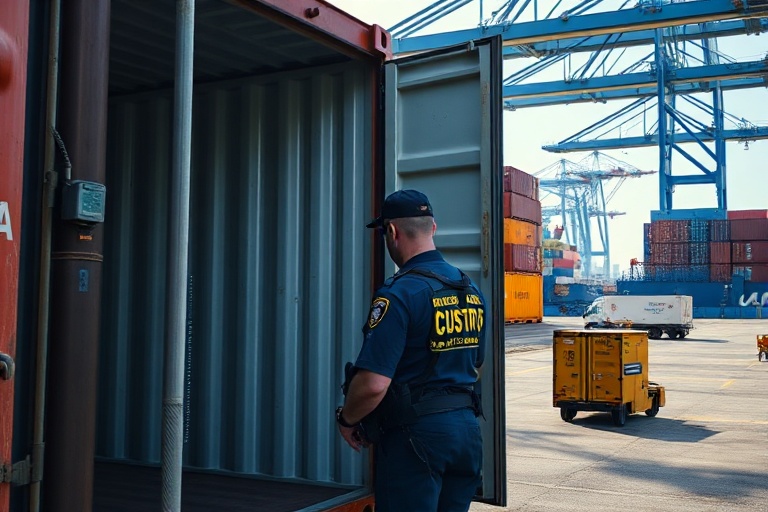
At ports of entry, CBP officers screen over 1 million travelers and process 70,000 truck, rail, and sea containers daily. They use advanced technology such as nonintrusive inspection systems, radiation portal monitors, and biometric facial recognition to detect threats without disrupting legitimate commerce. The agency also manages the Trusted Traveler Programs, including Global Entry, SENTRI, and NEXUS, which allow pre-approved, low-risk travelers to expedite their entry into the United States.
Beyond inspections, CBP coordinates with international partners through programs like the Container Security Initiative (CSI) and the Customs-Trade Partnership Against Terrorism (C-TPAT). These initiatives encourage businesses to adopt voluntary security measures, reducing the risk of terrorism in global supply chains. Since its launch in 2002, C-TPAT has grown to include over 11,400 certified partners worldwide, demonstrating the agency’s commitment to collaborative security.
Technology and Innovation in Border Security
Technology is the backbone of CBP’s operational strategy. The agency employs a layered approach to border security, combining physical infrastructure, sensors, and data analytics. Unmanned aerial systems, such as the MQ-9 Predator B, provide aerial surveillance along remote stretches of the southwest border, while ground sensors detect unauthorized movement in real time. These systems are integrated into the Integrated Fixed Towers (IFT) program, which delivers persistent surveillance in high-traffic areas.
In fiscal year 2023, CBP processed over 380 million travelers and seized more than 14,000 pounds of fentanyl—a record high. The agency attributes much of this success to its use of artificial intelligence and machine learning. For example, the Automated Targeting System (ATS) uses algorithms to analyze passenger and cargo data, flagging high-risk individuals and shipments for further inspection. This predictive capability allows CBP to allocate resources more effectively and respond to emerging threats proactively.
The agency is also expanding its use of biometric technology. Since 2016, CBP has processed over 260 million biometric entries and exits at air, land, and sea ports of entry. Facial recognition systems, such as those used in the Traveler Verification Service (TVS), compare a traveler’s live photo against their passport or visa image, reducing fraud and improving identity verification. While these systems have drawn scrutiny over privacy concerns, CBP maintains that they are used solely for identity confirmation and are subject to strict oversight.
Challenges and Controversies
Despite its technological advancements, CBP faces persistent challenges. One of the most pressing is the humanitarian crisis at the southern border. In fiscal year 2023, CBP encountered over 2.5 million encounters with migrants, including unaccompanied minors and families fleeing violence and economic hardship. The surge has strained agency resources, leading to overcrowded facilities and prolonged processing times. Critics argue that CBP lacks sufficient capacity to provide humane care and due process, while supporters contend that the agency is doing its best under unprecedented pressure.
Another area of contention is the use of Title 42, a public health order that allowed CBP to expel migrants without standard asylum processing during the COVID-19 pandemic. The policy was controversial from its inception, with advocates arguing that it violated international law and humanitarian principles. The Biden administration continued to enforce Title 42 until May 2023, when it was replaced by new asylum restrictions under Title 8. The transition has not been seamless, and ongoing litigation has created uncertainty for both migrants and CBP officers.
CBP has also faced criticism over its use of force and accountability mechanisms. Between 2010 and 2020, CBP officers were involved in 96 shooting incidents, resulting in 48 deaths. While the agency has implemented reforms, including enhanced training and de-escalation protocols, incidents such as the 2020 death of Salvadoran migrant Óscar Alberto Martínez Ramírez and his 23-month-old daughter continue to fuel public outcry. Oversight groups, including the ACLU and Amnesty International, have called for greater transparency and independent investigations into alleged abuses.
Economic Impact and Global Trade
CBP’s role in facilitating trade cannot be overstated. The agency processes nearly $3 trillion in imports annually, accounting for 17% of U.S. gross domestic product (GDP). The Port of Los Angeles, the busiest container port in the Western Hemisphere, alone handles $270 billion in trade each year. Delays at ports can have cascading effects on supply chains, as demonstrated during the COVID-19 pandemic when congestion at West Coast ports led to widespread shortages and price increases.
To streamline trade, CBP has prioritized initiatives like the Centers of Excellence and Expertise (CEEs), which provide specialized support for high-risk industries such as electronics, pharmaceuticals, and automotive parts. The agency has also invested in the Automated Commercial Environment (ACE), a digital platform that allows importers and brokers to submit documentation electronically. Since ACE’s full implementation in 2016, processing times for low-risk shipments have been reduced by up to 50%.
CBP’s work extends beyond U.S. borders through its Office of International Affairs. The agency collaborates with customs administrations in over 100 countries to combat trade fraud, counterfeit goods, and intellectual property theft. These partnerships are essential in an era where global supply chains are increasingly complex and vulnerable to exploitation. For example, CBP has partnered with the European Union to combat the trafficking of counterfeit pharmaceuticals, which pose serious health risks to consumers.
Looking Ahead: The Future of Border Security
The future of CBP will be shaped by technological innovation, geopolitical shifts, and evolving threats. One area of focus is the integration of blockchain technology to enhance supply chain transparency. CBP is piloting blockchain-based platforms that allow importers to track goods from origin to destination, reducing the risk of fraud and smuggling. This initiative aligns with the Biden administration’s broader goal of modernizing infrastructure and promoting digital trade.
Climate change is another emerging challenge. Rising sea levels and extreme weather events are altering migration patterns and increasing the risk of environmental disasters at ports. CBP is working with the National Oceanic and Atmospheric Administration (NOAA) to assess vulnerabilities and develop resilience strategies. For instance, the agency is evaluating the feasibility of relocating critical infrastructure, such as inspection facilities, to higher ground in flood-prone areas.
As CBP adapts to these challenges, it must also address internal reforms. The agency has faced criticism for its culture and accountability systems, particularly in the wake of high-profile incidents. In response, CBP has launched initiatives to improve officer training, mental health support, and diversity, equity, and inclusion (DEI) programs. These efforts aim to foster a more professional and responsive workforce capable of meeting the demands of a rapidly changing world.
Ultimately, the work of CBP is about more than just securing borders—it’s about protecting lives, preserving economic stability, and upholding the values of a nation built on openness and opportunity. As global dynamics continue to evolve, the agency’s ability to balance these priorities will determine its legacy in the decades to come.
Resources for Further Reading
For those interested in exploring CBP’s operations further, the following resources provide additional insights:
- News: Stay updated on the latest developments in border security and immigration policy.
- Analysis: Read in-depth examinations of CBP’s strategies, challenges, and impact on trade and security.
- CBP Official Website: Access official reports, statistics, and updates from the agency itself.
- DHS CBP Overview: Learn about CBP’s role within the Department of Homeland Security and its broader mission.
Conclusion
United States Customs and Border Protection stands as a guardian of both security and commerce, navigating a delicate balance between protection and progress. From its technological advancements to its humanitarian responsibilities, the agency embodies the complexities of modern border management. As it faces new challenges—whether from migration flows, climate change, or global trade—CBP’s ability to innovate and adapt will be crucial. For a nation defined by its openness, the work of CBP is not just about controlling borders; it’s about defining what it means to be secure in an interconnected world.