The King’s Speech: A Royal Drama That Resonates Beyond the Crown
The 2010 film The King’s Speech arrived at a moment when audiences craved historical dramas that felt both intimate and grand. Directed by Tom Hooper and written by David Seidler, the movie traces the journey of King George VI as he overcomes a debilitating stutter with the help of an unconventional speech therapist, Lionel Logue. Far more than a royal biopic, the film explores themes of vulnerability, leadership, and the power of human connection.
Its release coincided with a broader cultural hunger for stories rooted in real-life struggle. Audiasts and critics alike praised the performances, particularly Colin Firth’s portrayal of the future king, which earned him an Academy Award. Beyond awards, The King’s Speech sparked conversations about public speaking, mental health, and the unseen pressures of monarchy—making it a film that resonated long after the credits rolled.
The Historical Backdrop: A King in Crisis
Set against the backdrop of the late 1930s, The King’s Speech unfolds during a period of immense political tension. King George V’s death in 1936 thrust his second son, Albert (who would become George VI), into the spotlight at a time when Britain stood on the brink of war with Nazi Germany. The monarchy, already under scrutiny for its perceived detachment from modern life, faced a new challenge: a king whose voice faltered in public.
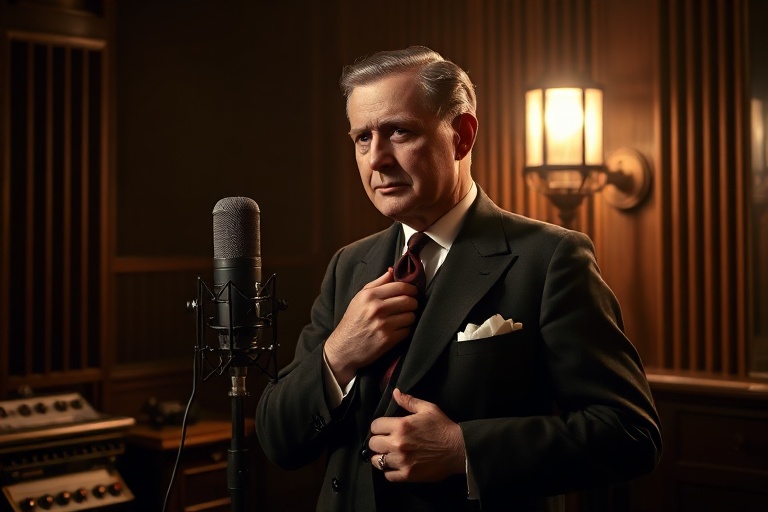
George VI’s stutter was not merely a personal affliction—it was a potential crisis for the Crown. Public speaking was central to the monarchy’s role, especially as radio broadcasts became a primary means of communication. The king’s inability to deliver speeches without severe stumbling threatened the institution’s authority and public trust.
In the film, Lionel Logue, played by Geoffrey Rush, emerges as an unlikely savior. A self-taught speech therapist with no formal medical credentials, Logue’s methods—ranging from unorthodox exercises to psychological encouragement—challenge the rigid protocols of the royal establishment. Their dynamic evolves from reluctant collaboration to deep mutual respect, highlighting the film’s core message: progress often comes from defying convention.
Colin Firth’s Performance: A Masterclass in Subtlety
Colin Firth’s portrayal of George VI is a study in controlled intensity. Unlike typical depictions of royalty, which emphasize grandeur and detachment, Firth’s performance humanizes the king. His portrayal reveals a man burdened by duty yet desperate for normalcy. The physicality of the performance—tight jaw, clenched fists, and visible frustration—conveys the internal struggle of someone fighting not just a speech impediment, but the weight of an entire nation’s expectations.
Firth’s preparation for the role was as meticulous as the character’s journey. He worked closely with a speech coach to replicate the stutter authentically, ensuring the portrayal felt grounded rather than caricatured. The result was a performance that critics hailed as transformative, earning him the Oscar for Best Actor. More importantly, it shifted audience perception of stuttering from something to hide to something that could be understood and overcome.
The film’s success hinged on Firth’s ability to balance vulnerability with regality. Scenes where the king breaks down in frustration or shares private moments with his wife, Elizabeth (Helena Bonham Carter), reveal a man stripped of pretense. These moments of raw humanity made the eventual triumph of his speech at the 1939 Empire broadcast all the more powerful.
Cinematic Craft: From Script to Screen
David Seidler’s screenplay blends historical accuracy with dramatic license, creating a narrative that feels both authentic and cinematic. Seidler, who stuttered as a child, infused the script with personal insight, particularly in the scenes between Logue and the king. Their evolving relationship—from mutual distrust to deep friendship—serves as the emotional core of the film.
Tom Hooper’s direction further elevates the material. Known for his ability to balance intimate character moments with sweeping historical backdrops, Hooper employs a naturalistic style that favors close-ups and handheld camerawork. This approach immerses the audience in the king’s world, making his struggles feel visceral. The film’s muted color palette and attention to period detail—from the costumes to the architecture—transport viewers to 1930s London without resorting to clichéd grandeur.
Sound design plays a crucial role in the film’s impact. The stutter is not just a visual or narrative device; it’s an auditory experience. The abrupt pauses, strained breaths, and halting words create tension in scenes where the king attempts to speak. Conversely, moments of clarity—such as his triumphant 1939 broadcast—are met with a palpable sense of relief, underscoring the film’s central theme: communication is not just about words, but about connection.
The Film’s Legacy: More Than a Royal Drama
The King’s Speech transcended its genre to become a cultural touchstone. It sparked renewed interest in the real-life story of George VI and Lionel Logue, leading to documentaries, books, and even stage adaptations. The film’s themes of resilience and perseverance resonated with audiences worldwide, particularly those facing their own challenges with speech or self-doubt.
The movie also sparked discussions about the monarchy’s role in modern society. While critics debated whether the film romanticized the Crown, its portrayal of George VI as a reluctant but dedicated leader offered a nuanced perspective. He was not a distant figurehead, but a man struggling to fulfill his duty in extraordinary circumstances.
Beyond its cultural impact, The King’s Speech demonstrated the power of film to educate and inspire. For many viewers, it was the first time they considered the personal toll of public service or the complexities of speech impediments. The film’s enduring popularity—both in theaters and on streaming platforms—speaks to its universal appeal.
For those interested in exploring more historical dramas with rich character development, consider browsing our Movies category. Similarly, our Biographies section features other films that bring real-life stories to the screen with depth and authenticity.
The legacy of The King’s Speech lies not just in its awards or box office success, but in its ability to remind us that even the most powerful figures are human. It’s a story about finding one’s voice—not just literally, but metaphorically. In an era where public figures often feel untouchable, the film’s message is a quiet but profound one: vulnerability can be a strength, and leadership is not about perfection, but about perseverance.