Hull Kingston Rovers: History, Heroes, and the Road Ahead
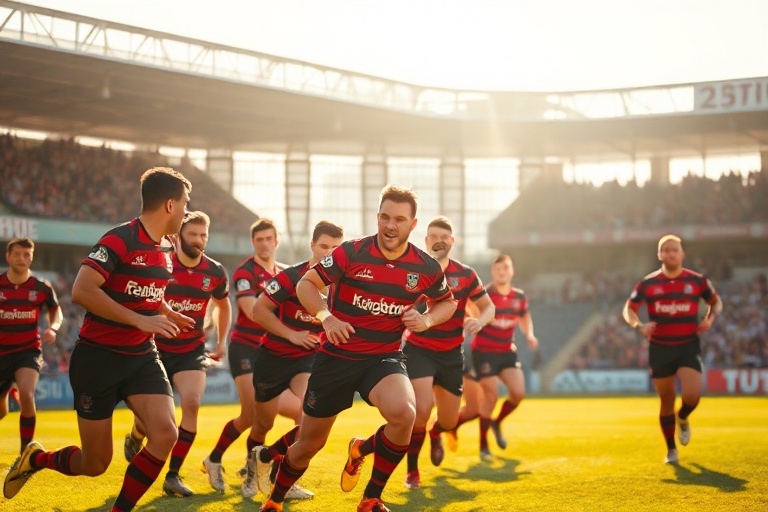
Hull Kingston Rovers, often abbreviated as HKR, stands as one of rugby league’s most storied clubs. Founded in 1882, the club has spent over a century shaping the sport’s history through triumphs, challenges, and moments of quiet resilience. Based in East Hull, the club has become a symbol of community pride and sporting excellence, evolving from its working-class roots into a professional powerhouse.
Despite periods of financial hardship and fluctuating on-field success, Hull Kingston Rovers has maintained a loyal fanbase and a reputation for producing top-tier talent. The club’s journey reflects the broader narrative of rugby league itself—underdog stories, community spirit, and moments of brilliance that transcend the scoreboard. Today, HKR continues to build on its legacy, striving for consistency and silverware in a competitive era.
The Early Years: Foundations of a Rugby League Institution
Hull Kingston Rovers originated in the working-class neighborhoods of Hull, where rugby union was the dominant code. However, the formation of the Northern Rugby Football Union in 1895—leading to the birth of rugby league—provided an opportunity for local clubs to break away from the amateur ethos. Hull Kingston Rovers officially joined the new league in 1897, marking the beginning of its professional journey.
The club’s early years were defined by struggle and adaptation. Financial instability plagued the team, and early seasons were marked by relegation battles and modest success. Yet, despite these challenges, HKR cultivated a reputation for developing raw talent and fostering a distinct playing style that emphasized speed and flair over brute force.
By the 1920s, Hull Kingston Rovers had established itself as a consistent presence in rugby league’s top tier. The club’s playing style, often described as “open and expansive,” resonated with fans who valued skill and creativity. This identity became a cornerstone of the club’s culture, one that endures to this day.
Iconic Moments and Legendary Players
Throughout its history, Hull Kingston Rovers has produced and hosted some of rugby league’s most iconic figures. Players like George Fairbairn, a dual-code international who joined HKR in the 1980s, elevated the club’s profile with his electrifying performances. Fairbairn’s arrival coincided with a brief but memorable period of success, including a Challenge Cup final appearance in 1980.
The 1980 Challenge Cup run remains one of the most celebrated chapters in the club’s history. Despite falling short to Hull F.C. in the final, HKR’s underdog performance captured the imagination of fans and showcased the club’s potential. The match, played at Wembley Stadium, drew a massive following from Hull’s loyal supporters, many of whom made the journey south in a show of unwavering loyalty.
Another defining moment came in 2017, when Hull Kingston Rovers secured promotion to the Super League after a five-year absence. The club’s return to the top flight was celebrated as a triumph of resilience and strategic planning. Under the leadership of coach Tim Sheens, HKR assembled a competitive squad and reclaimed its place among rugby league’s elite.
- George Fairbairn: Dual-code international who became a club legend during the 1980s.
- Mick Sullivan: A prolific try-scorer and one of rugby league’s most respected forwards.
- Danny Richardson: A standout halfback whose leadership and skill were instrumental in the 2017 promotion campaign.
- Craig Hall: A goal-kicking sensation who remains one of the club’s most consistent performers.
The Modern Era: Ambitions and Challenges
Since returning to the Super League, Hull Kingston Rovers has sought to establish itself as a consistent contender. The club’s ambitions are underpinned by a commitment to youth development and smart recruitment. HKR’s academy system has produced several first-team players, demonstrating the club’s ability to nurture talent from within.
However, the modern era has also presented challenges. Financial constraints in professional rugby league have forced clubs to operate with limited resources, and HKR is no exception. The club’s ability to compete with wealthier rivals like Wigan Warriors and Leeds Rhinos often hinges on astute decision-making in the transfer market and a clear long-term vision.
One of the club’s most notable recent developments was the appointment of Tony Smith as head coach in 2021. Smith, a highly respected figure in rugby league, brought a structured approach to the team’s tactics and culture. His tenure has seen HKR achieve mid-table finishes in the Super League, with occasional flashes of brilliance that hint at greater potential.
The club’s home ground, the Craven Park Stadium, remains a focal point of its identity. With a capacity of around 10,000, the stadium is known for its intimate atmosphere and passionate supporters. The “Rovers’ faithful” are renowned for their vocal support, creating an intimidating environment for visiting teams.
Community and Culture: More Than Just a Club
Hull Kingston Rovers is deeply embedded in the fabric of East Hull. The club’s community engagement initiatives extend far beyond the pitch, with programs designed to promote health, education, and social inclusion. HKR’s community trust runs projects for young people, veterans, and disadvantaged groups, using rugby league as a tool for positive change.
The club’s cultural significance is further highlighted by its role in local traditions and events. Hull Fair, an annual celebration, often features HKR-related activities, and the club’s presence is felt in schools, youth clubs, and community centers across the region. This connection to the community has helped HKR weather the storms of financial uncertainty and maintain its status as a civic institution.
Moreover, the rivalry between Hull Kingston Rovers and Hull F.C. is one of rugby league’s most intense. Known as the “Hull Derby,” matches between the two clubs are high-stakes affairs that draw massive crowds and intense media attention. These derbies are more than just sporting contests; they are cultural events that divide the city and unite communities in shared passion.
The spirit of the Hull Derby extends to the fans, whose loyalty and creativity are legendary. Chants, banners, and rituals add to the spectacle, making each encounter a unique experience. For many supporters, these matches are a reminder of rugby league’s grassroots appeal and its power to bring people together.
The Road Ahead: What’s Next for Hull Kingston Rovers?
Looking to the future, Hull Kingston Rovers faces both opportunities and challenges. The club’s current ownership group has expressed a commitment to long-term stability, with plans to enhance Craven Park and expand the academy system. These investments aim to secure HKR’s place in the Super League while fostering the next generation of talent.
On the field, the club’s ambitions are clear: compete for trophies and challenge for the Super League title. While this goal remains distant, recent performances suggest HKR is moving in the right direction. The development of young players like academy graduates and the recruitment of experienced professionals have strengthened the squad’s depth.
Off the field, the club’s community work continues to make a tangible difference. HKR’s initiatives in health, education, and social inclusion are helping to build a brighter future for Hull’s residents. These efforts reinforce the club’s role as a force for good, both on and off the pitch.
As rugby league evolves, Hull Kingston Rovers stands at a crossroads. With a rich history and a bright future, the club is poised to write the next chapter in its storied legacy. For fans old and new, HKR represents more than just a team—it is a symbol of resilience, pride, and the enduring power of community.
The journey is far from over. For Hull Kingston Rovers, the best is yet to come.