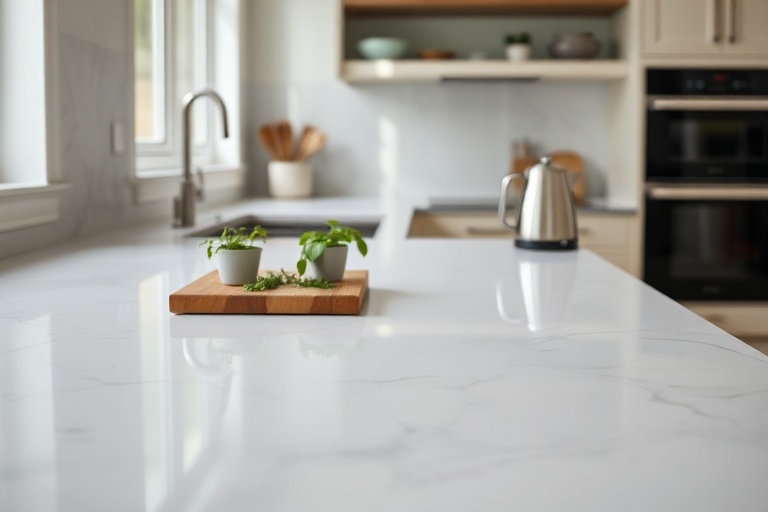
The kitchen worktop is far more than a functional surface—it’s a canvas for culinary creativity, a statement of style, and a reflection of cultural values. From the marble slabs of Italian kitchens to the compact laminate counters of urban Tokyo apartments, worktops shape how we interact with food, space, and home life. Their evolution mirrors broader trends in sustainability, technology, and design philosophy.
Globally, the choices people make about worktops reveal much about local priorities. In Scandinavia, minimalism and natural materials dominate. In the United States, durability and bold aesthetics often take center stage. Meanwhile, in parts of Africa and Latin America, repurposed materials and community-built solutions are becoming increasingly visible. The worktop is not just a surface—it’s a conversation between tradition and innovation.
The Rise of Sustainable Materials
Sustainability has shifted from a niche concern to a mainstream expectation in kitchen design. Consumers now scrutinize not just the look of a worktop, but its environmental footprint—from sourcing to disposal. This has fueled a surge in alternative materials that reduce reliance on granite and quartz, both of which carry significant ecological costs.
Recycled composite surfaces made from glass, porcelain, or even ocean plastics are gaining ground. Brands like technology innovators are experimenting with bio-resin binders that use agricultural waste. In Europe, regulations on formaldehyde emissions have pushed manufacturers toward low-VOC (volatile organic compound) adhesives and finishes.
Another emerging trend is the use of reclaimed wood, particularly in regions with strong timber traditions like Canada and New Zealand. Salvaged from old factories, barns, or railway sleepers, these slabs carry history and character. They’re often treated with natural oils rather than synthetic sealants, aligning with a broader movement toward healthier indoor environments.
Even in emerging markets, sustainability is becoming a design imperative. In India, for example, startups are turning agricultural residues—like rice husks and coconut shells—into durable composite panels. These materials are not only eco-friendly but also support local economies and reduce dependence on imported stone.
Global Aesthetic Shifts: From Minimalism to Maximalism
Design preferences for kitchen worktops vary dramatically across cultures. In Nordic countries, the influence of hygge and lagom has led to a preference for light-toned, matte surfaces in neutral palettes—think pale oak, honed marble, or concrete with a soft finish. Functionality is key: seamless integration with storage and appliances creates a sense of calm and order.
Contrast that with the bold, expressive kitchens of Brazil or Mexico, where vibrant colors and patterned tiles are often paired with rustic wood or polished concrete. The worktop becomes part of a larger narrative—celebrating local craftsmanship and cultural identity. In these regions, kitchen surfaces are rarely minimal; they’re layered, textured, and full of personality.
Across Asia, the approach is often pragmatic yet stylish. In Japan, compact homes demand multifunctional surfaces—think fold-down counters or integrated chopping blocks that double as dining tables. Materials like hinoki wood or stainless steel are favored for their durability and ease of cleaning. Meanwhile, in South Korea, the rise of “smart kitchens” has led to the integration of induction-ready composite surfaces that work seamlessly with high-tech appliances.
In the Middle East, marble remains a status symbol, often chosen for its cool touch and luxurious sheen. But even here, there’s a growing interest in locally sourced limestone and travertine as alternatives to imported Italian or Indian stone. The worktop becomes both a personal indulgence and a nod to regional heritage.
Key Global Worktop Trends by Region
- Europe: Neutral tones, sustainable composites, and integrated water systems in sinks.
- North America: Large-format quartz in bold colors, waterfall edges, and smart connectivity.
- East Asia: Compact, multi-functional surfaces with antibacterial coatings and induction compatibility.
- Latin America: Handcrafted tiles, colorful mosaics, and reclaimed wood with visible grain.
- Africa: Locally quarried stone, polished concrete, and community-built worktops using recycled materials.
Durability vs. Aesthetics: The Material Trade-Off
Choosing a worktop involves balancing durability, cost, maintenance, and visual appeal. Granite, once the gold standard, is falling out of favor in some circles due to its heavy environmental impact and the need for periodic sealing. Quartz, a man-made alternative, offers consistency and low maintenance but comes with a high price tag and energy-intensive production.
Wood remains a favorite for its warmth and versatility. Oak, walnut, and teak are prized for their durability when properly treated, but they require regular oiling and are susceptible to water damage. Bamboo, often marketed as eco-friendly, is durable only if sourced responsibly and manufactured with non-toxic adhesives.
For those seeking a middle ground, sintered stone—like Dekton or Neolith—has emerged as a premium option. These ultra-compact surfaces are scratch-resistant, UV-stable, and require no sealing. They mimic the look of natural stone but are engineered for modern lifestyles. Their adoption is rising in urban centers where kitchens double as entertaining spaces.
Another contender is recycled glass, which is crushed, mixed with resin, and poured into slabs. The result is a luminous, speckled surface that reflects light beautifully. It’s especially popular in coastal regions where a breezy, nautical aesthetic is desired.
The Future: Smart, Adaptive, and Inclusive Worktops
The next frontier in kitchen worktops lies in integration with digital and adaptive technologies. Imagine a countertop that changes temperature based on the task—warmer for rolling dough, cooler for handling chocolate. Or a surface embedded with sensors that monitor food freshness or even suggest recipes based on what’s stored below.
Inclusive design is also gaining traction. Worktops at accessible heights, with rounded edges and tactile markers, are becoming standard in public kitchens and co-housing projects. Materials that are easy to clean and maintain are essential for caregivers and people with mobility challenges.
Another innovation is the rise of modular worktops. These allow homeowners to reconfigure their kitchen layout without replacing the entire surface. Sections can be swapped out as needs change—whether due to family growth, remote work demands, or new hobbies like baking or canning.
As cities densify and homes shrink, the worktop must do more with less. Fold-down counters, pull-out chopping boards, and integrated cutting surfaces are becoming standard in micro-apartments from Singapore to Berlin. These solutions reflect a global shift toward flexible, multifunctional living spaces.
What’s Next for Worktop Design?
- Biophilic Design: Worktops that incorporate living elements—like hydroponic gardens or integrated herb planters—will blur the line between food prep and urban farming.
- Circular Economy Models: Subscription-based worktop services, where worn surfaces are returned for recycling or upcycling, could become common.
- Cultural Fusion: Expect to see hybrid materials that blend local traditions with global aesthetics—think Moroccan zellige tiles fused with modern resin.
- Health-Conscious Surfaces: Antimicrobial coatings, copper-infused materials, and self-cleaning nano-surfaces will address hygiene concerns post-pandemic.
Conclusion: More Than Just a Counter
The kitchen worktop is a quiet revolution in design and sustainability. It tells a story of global exchange, cultural identity, and evolving priorities. Whether crafted from reclaimed timber in Cape Town, sintered stone in Tokyo, or recycled glass in Lisbon, the worktop is a testament to human ingenuity and adaptability.
As we move toward more responsible consumption and inclusive living, the worktop will continue to evolve—not just as a surface, but as a space of connection, creativity, and care. It’s not about following trends, but about choosing materials and forms that align with our values and lifestyles.
For those embarking on a kitchen renovation, the worktop is a place to start. Consider not just the look, but the life cycle of the material. Support local artisans where possible. Prioritize durability over temporary trends. And remember: the best worktop is one that feels right in your hands—and in your home.
Explore more design insights in our Technology and Culture sections.