Understanding the Muskegon Prom Shooting: A Tragedy That Resonates Beyond Michigan
On a quiet evening in Muskegon, Michigan, a high school prom turned into a scene of unimaginable horror when gunfire erupted, leaving one student dead and several others injured. The incident, which occurred in May 2024, has sent shockwaves through the community and raised urgent questions about school safety, gun violence, and the broader cultural issues that contribute to such tragedies in the United States.
While this event is localized, its implications stretch far beyond Muskegon’s city limits. It reflects a pattern of gun violence that has become disturbingly common in American schools, prompting comparisons to other high-profile incidents across the country. The shooting also highlights the psychological and emotional toll such events take on communities, particularly young people who are meant to be celebrating milestones like prom.
As details continue to emerge, the Muskegon prom shooting serves as a stark reminder of the fragility of safety in spaces that should be secure. It also underscores the need for comprehensive discussions about prevention, mental health support, and the role of firearms in American society.
The Events Leading Up to the Shooting: What We Know So Far
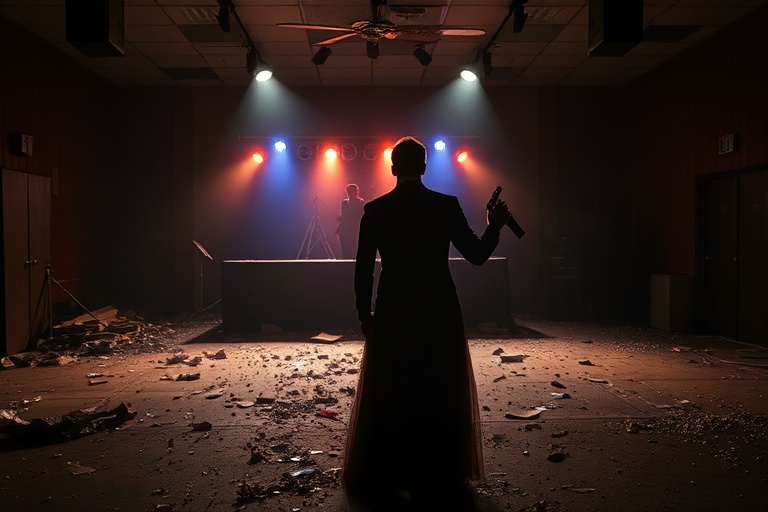
According to local law enforcement and school officials, the shooting took place at the Muskegon High School gymnasium, where students had gathered for their annual prom. Eyewitness accounts describe a moment of chaos when gunfire broke out, sending students and chaperones scrambling for cover. The shooter, identified as a 17-year-old student from the same school, was taken into custody shortly after the incident.
Investigators have revealed that the shooter used a handgun, which was legally obtained despite Michigan’s existing gun laws. While the motive remains unclear, early reports suggest the shooting may have been targeted, though officials have not confirmed this. The victim, a 17-year-old student, was pronounced dead at a nearby hospital, while six others were treated for non-life-threatening injuries.
The response from local authorities was swift, with police securing the perimeter and coordinating with emergency services. Muskegon Public Schools Superintendent, John Peck, issued a statement expressing grief and promising a thorough investigation. “Our hearts are with the families affected by this senseless act,” Peck said. “We are cooperating fully with law enforcement to ensure this tragedy does not happen again.”
As the community grapples with the aftermath, questions linger about how such an event could occur in a place meant for celebration. The incident has drawn comparisons to other school shootings, such as the 2018 Parkland shooting in Florida and the 2012 Sandy Hook Elementary School tragedy, both of which sparked national debates about gun control and school safety.
Gun Violence in American Schools: A Broader Context
The Muskegon prom shooting is not an isolated incident but part of a disturbing trend of gun violence in American schools. According to data from Gun Violence Archive, there have been over 300 incidents of gunfire on school grounds in the United States since 2018, resulting in numerous deaths and injuries. These events have become so frequent that they often fade into the background of national news cycles, overshadowed by more sensational stories.
What makes the Muskegon shooting particularly jarring is its setting—a prom, a rite of passage for many American teenagers. Proms are meant to be joyous occasions, filled with music, dancing, and memories. Instead, this prom will be remembered for its violence and loss. The juxtaposition of celebration and tragedy has struck a chord with people across the country, many of whom see it as emblematic of deeper societal issues.
Several factors contribute to the prevalence of school shootings in the U.S., including:
- Access to firearms: The U.S. has the highest rate of gun ownership in the world, with an estimated 393 million firearms in civilian hands. While many of these guns are used responsibly, the sheer volume increases the risk of misuse, whether intentionally or accidentally.
- Mental health challenges: Although mental health is often cited as a factor in school shootings, experts caution against oversimplifying the issue. Most individuals with mental health conditions are not violent, and focusing solely on mental health can deflect attention from broader systemic problems like gun access and societal alienation.
- School security measures: Many schools have implemented measures such as armed resource officers, metal detectors, and lockdown drills. While these steps can deter some threats, they also contribute to a culture of fear and militarization in educational settings.
- Cultural glorification of violence: The U.S. has a long history of glorifying violence in media, from action movies to video games. While there is no direct evidence linking media consumption to school shootings, some researchers argue that desensitization to violence may play a role in normalizing such behavior.
Globally, the issue of school shootings is far less common, with countries like Canada, Australia, and the UK experiencing isolated incidents rather than recurring tragedies. This disparity is often attributed to stricter gun control laws and cultural attitudes toward firearms. In the U.S., however, the Second Amendment and the lobbying power of the gun industry have made meaningful reform difficult, despite widespread public support for measures like universal background checks and assault weapon bans.
Community Response and the Path Forward
The aftermath of the Muskegon prom shooting has seen an outpouring of grief and solidarity from the community. Vigils have been held, with students, parents, and teachers coming together to mourn the loss of life and express their fears about the future. Local churches, community centers, and even neighboring schools have opened their doors to provide support for those affected.
Muskegon’s mayor, Ken Johnson, addressed the public shortly after the shooting, emphasizing the need for unity. “This is not just a Muskegon problem; it’s an American problem,” Johnson stated. “We must come together to find solutions that protect our children and ensure that no other family has to endure this pain.”
In the classroom, educators are struggling to address the concerns of their students. Many teachers have reported increased anxiety among students, particularly those who were present at the prom. Some schools in the district have begun incorporating trauma-informed care into their curricula, offering counseling services and open forums for students to express their feelings.
Meanwhile, advocacy groups are renewing their calls for action. Organizations like March For Our Lives have organized rallies in Muskegon and other cities, demanding stricter gun laws and better mental health resources. These groups argue that the status quo is unacceptable and that incremental changes are no longer sufficient.
On a legislative level, Michigan lawmakers are facing pressure to act. Governor Gretchen Whitmer has called for a special session to discuss school safety and gun reform. Proposals under consideration include enhanced background checks, red flag laws, and increased funding for school security. However, opposition from gun rights advocates and some lawmakers threatens to stall progress.
The debate over gun control in America is deeply polarized, with both sides entrenched in their positions. Gun rights advocates argue that responsible gun ownership is a fundamental right and that more laws will not prevent determined criminals from obtaining firearms. On the other hand, gun control advocates point to countries with stricter laws that have significantly lower rates of gun violence, arguing that the U.S. must do more to protect its citizens.
Conclusion: A Call for Reflection and Action
The Muskegon prom shooting is a tragedy that will leave lasting scars on the community and the nation. It is a stark reminder that no place is immune to violence, not even a high school dance meant to celebrate youth and achievement. As the investigation continues and the community begins to heal, the broader conversation about gun violence in America must not fade into the background.
This is not just a Muskegon issue or a Michigan issue. It is an American issue that demands urgent attention. Whether through legislative action, community support, or cultural shifts, something must change to prevent future tragedies. For the families of the victims, for the students who witnessed the horror, and for the community still reeling from the shock, the time for action is now.
The prom should have been a night of joy, of music and laughter, of memories made with friends. Instead, it became a scene of violence that will haunt Muskegon for years to come. The question now is whether America will finally address the epidemic of gun violence that has stolen so many young lives—or whether it will continue to accept these tragedies as the cost of freedom.