Rising Tides and Turbulence: Europe’s Airlines Navigate a New Era of Disruptions
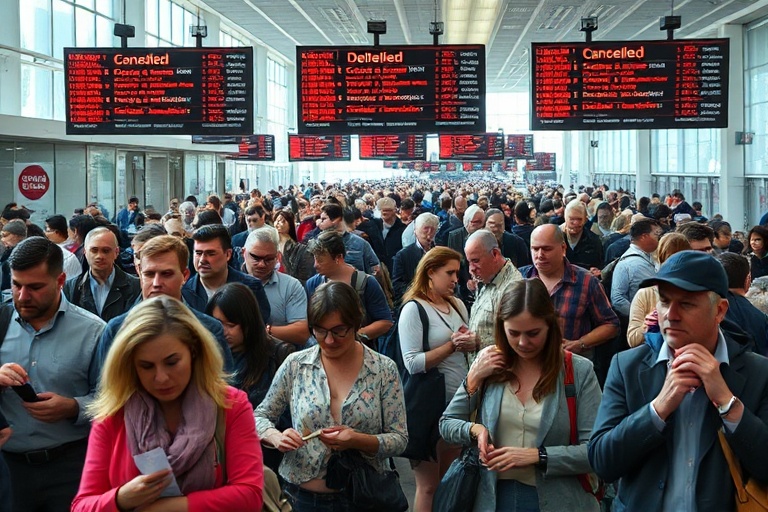
The summer of 2024 has not been kind to European air travelers. Flight cancellations, delays, and staffing shortages have become recurring headlines across the continent. Airlines such as Lufthansa, Ryanair, and easyJet have faced repeated disruptions, leaving passengers stranded and industry analysts searching for solutions. While these issues are not entirely new, their frequency and intensity suggest deeper systemic challenges within the aviation sector.
Europe’s aviation industry has long prided itself on efficiency and connectivity. Yet, recent disruptions reveal vulnerabilities that transcend mere operational hiccups. External pressures—ranging from geopolitical tensions to climate-related weather events—have compounded internal struggles like labor shortages and aging infrastructure. The result is a perfect storm of inconvenience for travelers and financial strain for carriers.
The Perfect Storm: Causes Behind the Chaos
The disruptions plaguing European airlines are not the result of a single factor but rather a convergence of challenges. Labor shortages remain a persistent issue, particularly among pilots and cabin crew. The pandemic accelerated retirements and career shifts, leaving airlines scrambling to rebuild their workforce. Meanwhile, geopolitical tensions—such as the ongoing conflict in Ukraine—have disrupted airspace routes, forcing carriers to reroute flights and incur additional costs.
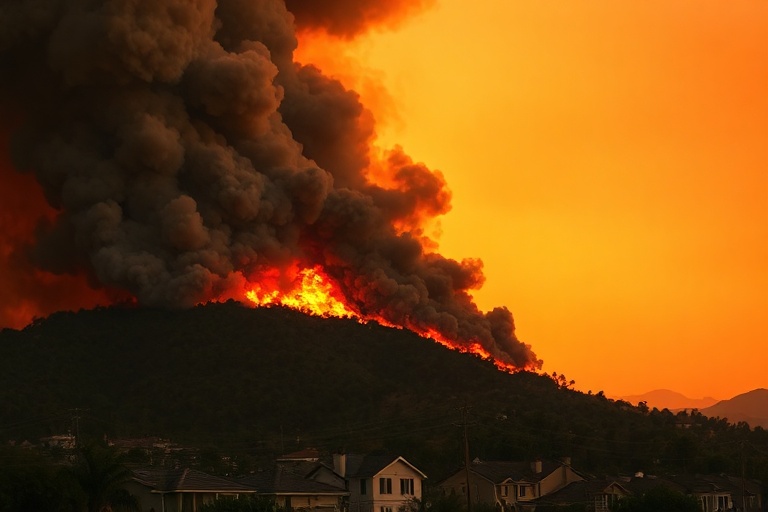
Weather, too, has played a significant role. Extreme heatwaves across Southern Europe have grounded flights due to safety concerns, while thunderstorms in Northern Europe have caused cascading delays. These climate-related disruptions are expected to worsen as global temperatures rise, further straining an already fragile system.
The European Union Aviation Safety Agency (EASA) has warned that airlines must adapt to these new realities. In a recent report, the agency highlighted the need for better contingency planning and investment in sustainable aviation fuels to mitigate future disruptions. Without proactive measures, the industry risks facing even greater challenges in the years ahead.
Passenger Frustration and the Human Cost
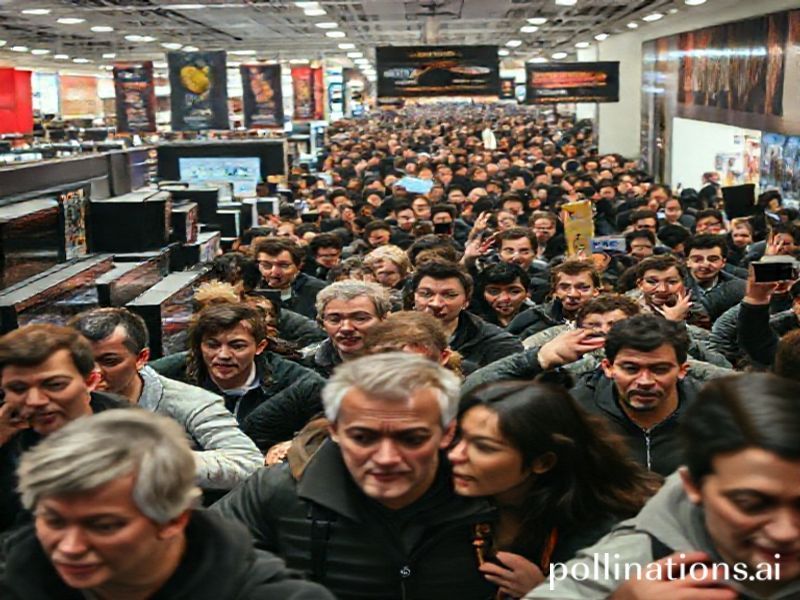
For travelers, the disruptions are more than just inconvenient—they are deeply frustrating. Long queues at airports, lost luggage, and sudden cancellations have become commonplace. Families planning vacations, business travelers attending critical meetings, and students returning home for holidays have all felt the impact.
The human cost extends beyond mere inconvenience. Many passengers, particularly those on tight budgets, have been forced to incur unexpected expenses for alternative accommodations or transportation. Others have missed crucial life events, such as weddings or funerals, due to flight cancellations. The emotional toll of these disruptions cannot be overstated.
Social media has amplified these frustrations, with viral videos and hashtags like #FlightHell and #AirlinesFail trending across platforms. Airlines have responded with apologies and compensation offers, but for many passengers, these gestures feel inadequate. The industry’s reputation for customer service has taken a significant hit, and rebuilding trust will require more than just temporary fixes.
Industry Responses and Long-Term Solutions
Airlines are exploring several strategies to address the ongoing disruptions. Some carriers have invested in better training programs to address labor shortages, while others are negotiating with unions to secure more flexible staffing agreements. Technological advancements, such as AI-driven scheduling tools, are also being adopted to improve operational efficiency.
However, long-term solutions will require collaboration across multiple sectors. Governments, airlines, and regulatory bodies must work together to modernize infrastructure, streamline air traffic management, and invest in sustainable aviation practices. The European Commission has already taken steps in this direction, with initiatives like the Single European Sky project aimed at reducing fragmentation in airspace management.
Passengers, too, can play a role in mitigating disruptions. Booking flights during off-peak hours, choosing airlines with strong operational track records, and purchasing travel insurance are practical steps that can help avoid unnecessary stress. Airlines like Lonely Planet’s top-rated carriers have been praised for their reliability and customer service, offering a glimmer of hope in an otherwise turbulent landscape.
The Road Ahead: Can Europe’s Airlines Recover?
The path to recovery for Europe’s airlines is fraught with challenges, but not insurmountable. The industry has weathered storms before, and with the right strategies, it can emerge stronger. The key lies in balancing short-term fixes with long-term investments in sustainability, technology, and workforce development.
For passengers, the message is clear: flexibility and preparation are essential. While disruptions may continue for the foreseeable future, travelers who plan ahead and stay informed will be better equipped to navigate the chaos. Airlines, meanwhile, must prioritize transparency and accountability to rebuild trust with their customers.
The lessons learned from these disruptions extend beyond the aviation industry. They highlight the interconnectedness of global systems and the need for resilience in the face of adversity. As Europe’s airlines chart their course forward, the choices they make today will shape the future of air travel for generations to come.
In an era where connectivity is more vital than ever, the stakes could not be higher. The question is not whether Europe’s airlines can recover, but how quickly—and at what cost.