prices
How Prices Shape Global Markets and Everyday Life
Prices are more than numbers on a tag or digits on a screen. They act as silent communicators between buyers and sellers, conveying value, scarcity, and demand in real time. From the cost of a cup of coffee in New York to the price of rice in Mumbai, these figures ripple through economies, influencing decisions from the boardroom to the kitchen table.
But prices are not static—they are dynamic, influenced by forces as varied as weather patterns in Brazil, political tensions in the Middle East, and consumer trends on TikTok. Understanding how prices form and fluctuate offers insight into broader economic systems and cultural priorities across the globe.
The Hidden Forces Behind Price Fluctuations
At their core, prices emerge from the intersection of supply and demand. When demand rises but supply remains limited—such as during a heatwave driving up air-conditioner sales—prices tend to climb. Conversely, a bumper crop of wheat can send bread prices lower in local markets. This balance is delicate and subject to disruption.
Several key factors regularly reshape pricing structures:
- Raw Material Costs: The price of oil, metals, and agricultural products often sets the baseline for countless goods. For example, a 10% rise in aluminum prices can increase the cost of everything from soda cans to smartphone casings.
- Labor and Wages: In countries with rising minimum wages, businesses may pass increased labor costs to consumers through higher prices. This is especially visible in service industries like dining and retail.
- Regulation and Taxes: Government policies—such as tariffs on imported goods or carbon taxes—can artificially inflate prices. A recent EU carbon tax, for instance, has raised the cost of steel imported into the bloc.
- Currency Exchange Rates: When a nation’s currency weakens, imports become more expensive. This phenomenon has been felt acutely in Turkey and Argentina, where inflation has soared due to depreciating local currencies.
These forces rarely act alone. Inflation, often described as the “silent tax,” erodes purchasing power over time, making historical price comparisons misleading. In Japan, where deflation persisted for decades, prices of consumer goods have barely changed—until recently, when global supply chain disruptions began to push costs upward.
Cultural Differences in Price Perception and Spending
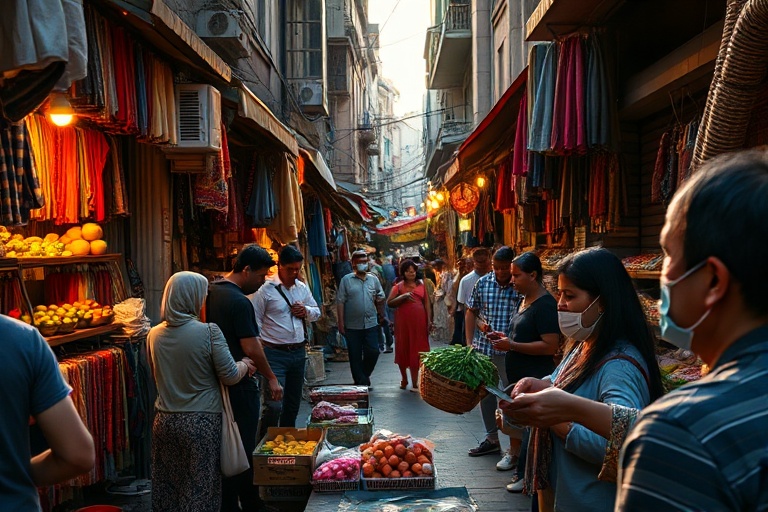
How people respond to prices is deeply cultural. In some societies, haggling is expected in markets and even some retail settings. In others, fixed pricing is the norm, reflecting trust in transparent commerce. These norms influence everything from the design of store layouts to the rise of discount chains.
Consider the contrast between the United States and Germany. American shoppers are accustomed to frequent sales and Black Friday discounts, where prices are temporarily slashed to drive volume. In Germany, by contrast, “Schlussverkauf” (end-of-season sales) are strictly regulated, with discounts capped at specific times of the year. This cultural difference reflects broader attitudes toward consumerism, value, and retail ethics.
Price sensitivity also varies by generation. Younger consumers, raised on subscription models and digital marketplaces, often prioritize convenience and access over outright ownership. Streaming services like Entertainment platforms have normalized recurring payments, while older generations may still associate pricing with one-time purchases and long-term value.
In developing economies, price is often tied to survival. In parts of sub-Saharan Africa, a 10% increase in fuel prices can mean the difference between a family eating one or two meals a day. Such realities highlight how price isn’t just an economic concept—it’s a matter of human dignity and equity.
The Psychological Side of Pricing
Prices also carry psychological weight. Retailers have long used strategies like charm pricing—ending prices with .99—to make items seem cheaper, even when the difference is negligible. This tactic, rooted in behavioral economics, exploits the way humans process numbers from left to right.
Another psychological tool is anchoring: presenting a high original price before applying a discount to make the sale price appear more attractive. This is common in online fashion retail, where “was $99, now $49” signs are ubiquitous. While effective, such practices can erode consumer trust if overused.
Luxury markets invert this psychology entirely. High prices are not barriers but invitations. A $10,000 handbag from a Parisian atelier isn’t just a product—it’s a status symbol, a social signal. In these markets, price becomes part of the brand’s identity, reinforcing exclusivity and aspiration.
Globalization and the Race to the Bottom
The interconnected nature of modern trade means prices in one country can affect markets thousands of miles away. The COVID-19 pandemic exposed this vulnerability. Factory shutdowns in China disrupted global supply chains, leading to shortages of everything from semiconductors to toilet paper. Retailers responded by raising prices, and consumers absorbed the cost.
Globalization has also driven prices down in many sectors. The rise of manufacturing hubs in Vietnam, Bangladesh, and Mexico has made clothing, electronics, and furniture more affordable for Western consumers. However, this cost reduction often comes at the expense of labor standards and environmental sustainability, creating ethical dilemmas that consumers are increasingly aware of.
Digital platforms have intensified this dynamic. E-commerce giants use algorithms to adjust prices in real time based on demand, location, and even browsing history. This practice, known as dynamic pricing, has made offers feel personalized—but also raised concerns about fairness and transparency.
The Future of Pricing: Transparency and Change
As consumers grow more conscious of sustainability and ethics, pricing is evolving beyond mere cost. Concepts like “true cost accounting” are gaining traction, where externalities—such as carbon emissions or fair wages—are factored into final prices. For example, Patagonia’s “Earth is Better” pricing model reflects the real environmental cost of production, even if it means higher retail prices.
Cryptocurrencies and blockchain technology are also beginning to influence pricing structures. By enabling peer-to-peer transactions without intermediaries, decentralized finance (DeFi) could reduce fees in sectors like remittances and cross-border payments. In nations with unstable currencies, stablecoins pegged to the U.S. dollar offer price stability that local money cannot.
Yet, challenges remain. As climate change intensifies, agricultural prices will become more volatile. Droughts in key breadbasket regions could send global wheat prices surging, affecting food security worldwide. Policymakers and businesses must prepare for a future where price stability is no longer guaranteed.
A Final Reflection on Value
Prices are not just economic indicators—they are cultural artifacts, reflecting what societies value and fear. They tell stories of innovation and inequality, of abundance and scarcity. As consumers, our relationship with price is both personal and political. Every purchase is a vote for the kind of world we want to live in.
In an era of rapid change, one truth remains constant: prices will continue to shape our lives, challenge our choices, and reveal the true cost of progress. The question is not just how much things cost, but what we’re willing to pay—with our money, our values, and our future.