season tickets
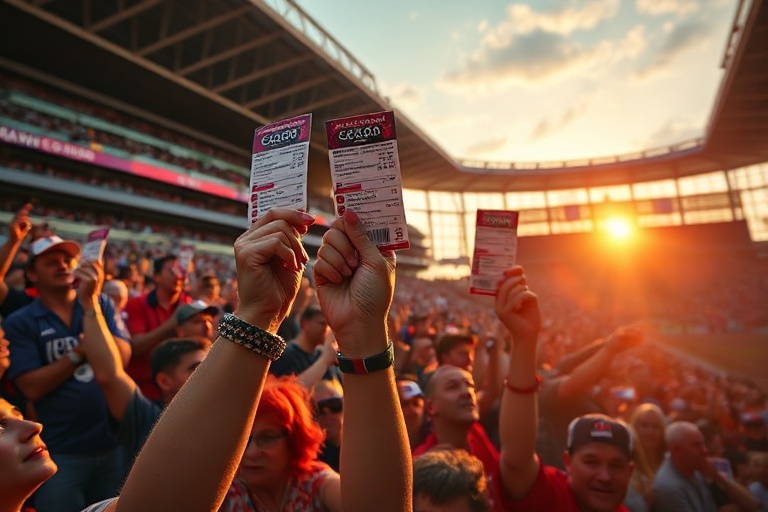
Season tickets represent more than just a financial transaction—they are a ritual, a commitment, and often a cornerstone of fan identity. Whether for sports, theater, or music, these passes grant access to a full season of events, fostering a sense of belonging among attendees. Their history stretches back over a century, evolving alongside the institutions they support. Today, season tickets remain a powerful symbol of loyalty in an era where disposable convenience often trumps long-term engagement.
Globally, the concept of season ticketing varies widely. In Europe, football clubs have perfected the model, turning stadiums into year-round communities. In Japan, kabuki theater and sumo wrestling rely on subscription-based systems that date back centuries. Meanwhile, in the United States, the tradition thrives in the NFL, NBA, and MLB, where fans treat their seats as sacred spaces. These traditions highlight how season tickets bridge past and present, connecting individuals to something larger than themselves.
The History and Evolution of Season Tickets
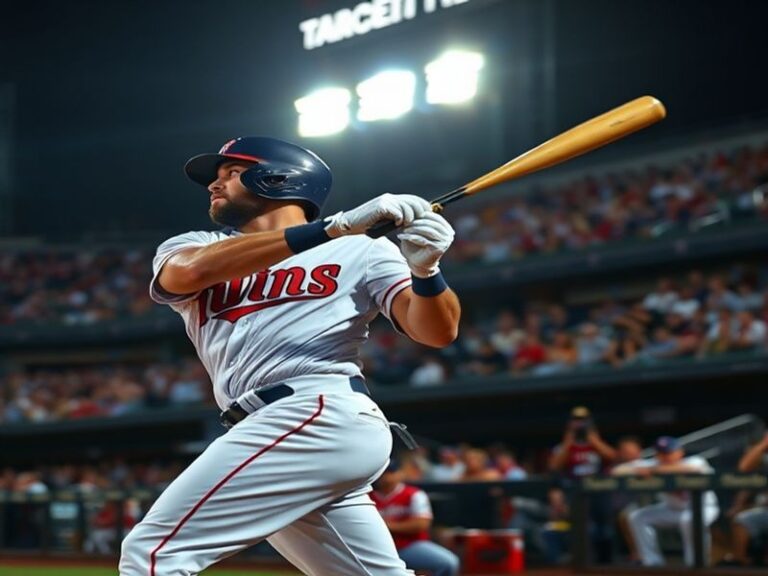
The origins of season ticketing trace back to the 19th century, when railroads and industrialization made travel more accessible. Baseball, America’s pastime, was among the first to adopt the model. In 1865, the New York Knickerbockers (an early baseball team) sold season tickets to fund their operations, setting a precedent that other clubs soon followed. By the early 20th century, professional teams in major sports were using season ticket sales to stabilize revenue streams during economic downturns.
In Europe, football clubs in England and Scotland formalized season ticket systems by the 1920s. The Football League’s introduction of membership cards allowed fans to pay in installments, democratizing access to games. This system became so entrenched that clubs like Manchester United and Liverpool built their financial models around it. Today, some European clubs report that season ticket holders account for 40-60% of total matchday revenue, underscoring their importance.
Beyond sports, season ticketing found a home in the arts. Opera houses in Vienna and Milan have long relied on subscribers, viewing them as patrons rather than mere customers. The Vienna State Opera, for example, still sells over 60% of its seats through annual subscriptions, ensuring cultural continuity. This tradition reflects a broader global pattern: season tickets thrive where communities prioritize shared experiences over transactional convenience.
Why Fans Commit: The Psychological and Social Benefits
Purchasing a season ticket is an act of faith. Fans invest upfront, often thousands of dollars, in exchange for the promise of consistency. This commitment fosters a deeper connection to the team or performer. Psychologists attribute this loyalty to the “endowment effect,” where people value what they already possess more highly than what they might acquire. Once fans own a season ticket, their attachment to the experience intensifies.
Social bonds also play a critical role. Season ticket holders often form tight-knit communities, sharing rituals like tailgating, pre-game gatherings, or post-show discussions. In sports, these groups become the backbone of stadium culture, creating an atmosphere that casual attendees struggle to replicate. The shared anticipation of a season unfolding week after week builds a narrative arc that transcends individual games.
For families, season tickets represent a tradition passed down through generations. A father might take his son to the same seat his own father occupied decades earlier. In cultures like Japan, where group outings to sumo tournaments or kabuki performances are common, season tickets reinforce familial and communal ties. These traditions provide stability in an increasingly fragmented world.
The Business of Season Tickets: Revenue, Risks, and Rewards
From a financial perspective, season tickets offer clubs and organizations predictable revenue. Teams can forecast income months in advance, allowing for better budgeting and investment in player salaries or production quality. Venues benefit from upfront cash flow, which can fund facility upgrades or marketing campaigns. However, the model carries risks. If a team underperforms, season ticket sales may plummet, leaving organizations scrambling to fill seats.
To mitigate these risks, many clubs now offer flexible packages. Options like “partial season” tickets or “mini plans” allow fans to sample a few games before committing fully. Some teams even provide “guaranteed upgrade” policies, where season ticket holders receive priority access to playoff games or special events. These innovations aim to balance the financial security of season tickets with the modern fan’s desire for flexibility.
In the arts, season ticketing serves a different financial purpose. Revenue from subscriptions helps underwrite productions, ensuring that less commercially viable shows can still take the stage. This model supports artistic risk-taking, allowing theaters and orchestras to present experimental works alongside classics. Without the stability of season ticket sales, many cultural institutions would struggle to survive.
Global Perspectives: How Different Cultures Embrace Season Tickets
Season ticketing is not a one-size-fits-all concept. Cultural attitudes toward commitment, money, and leisure shape how these programs are perceived and utilized. Below are a few examples of how season tickets function around the world:
- North America: In the U.S. and Canada, season tickets are deeply embedded in sports culture, particularly in the NFL, NBA, and NHL. Teams often sell out stadiums and arenas based solely on season ticket demand. The secondary market for season tickets is also robust, with fans reselling unused passes at a premium. In Canada, hockey season ticket holders are known for their loyalty, with some families holding seats for generations.
- Europe: Football (soccer) clubs in England, Germany, and Spain rely heavily on season tickets. Waiting lists for popular teams like FC Barcelona or Bayern Munich can stretch for years. The cultural significance is immense—missing a game can feel like a personal failure for some fans. In contrast, smaller clubs in lower divisions often struggle to sell season tickets, highlighting the model’s dependence on success.
- Japan: Traditional performing arts like kabuki and noh theater have used subscription systems for centuries. These tickets are often purchased by families or business groups, reflecting the importance of collective participation. In sumo wrestling, season tickets are tied to stable seating arrangements, where fans return to the same spot for years. The concept of “meccha suki” (extreme liking) encapsulates the Japanese approach to fandom.
- Australia: Rugby league and Australian rules football (AFL) have strong season ticket cultures, particularly in states like Victoria and New South Wales. Clubs offer family packages and discounts for seniors, reflecting the country’s emphasis on community-oriented leisure. The AFL, in particular, has seen a resurgence in season ticket sales as younger fans seek to reconnect with live sports.
- Middle East: In countries like Saudi Arabia, season tickets for football and entertainment events are growing rapidly due to government investments in sports and culture. The Saudi Pro League has attracted global stars like Cristiano Ronaldo, and season ticket sales have surged as a result. However, the model is still evolving, with many fans preferring pay-per-view options due to cultural preferences for flexibility.
Challenges and the Future of Season Tickets
The rise of streaming services and on-demand content poses a significant challenge to season ticketing. Younger generations, accustomed to Netflix-style flexibility, may view season tickets as outdated or restrictive. Clubs and venues are responding with hybrid models, such as offering streaming options for games not attended in person or providing digital companion content for season ticket holders.
Another challenge is affordability. In sports, the cost of season tickets has risen dramatically, pricing out many middle-class families. Teams like the Chicago Cubs have experimented with “flex plans,” where fans pay for a set number of games but can choose which ones to attend. This approach retains the benefits of season ticketing while accommodating modern lifestyles.
Looking ahead, season tickets may evolve into “experience memberships,” where the focus shifts from attending games to exclusive access. Ideas like behind-the-scenes tours, player meet-and-greets, or virtual reality replays could become standard perks. The goal is to make season tickets feel like a premium lifestyle choice rather than a financial obligation.
Despite these challenges, the core appeal of season tickets remains intact. They offer a rare opportunity to slow down, commit to something, and become part of a larger story. In an age of instant gratification, season tickets remind us that some of life’s best experiences are worth waiting for.
A Final Thought
Season tickets are more than a transaction—they are a testament to the human desire for connection and continuity. Whether in a packed stadium or a historic theater, the ritual of returning week after week creates memories that transcend the event itself. As long as communities value tradition and shared experiences, season tickets will endure as a vital part of global culture.
Dave’s Locker is your destination for in-depth coverage of sports, entertainment, and cultural trends. Explore our Sports and Entertainment sections for more insights.