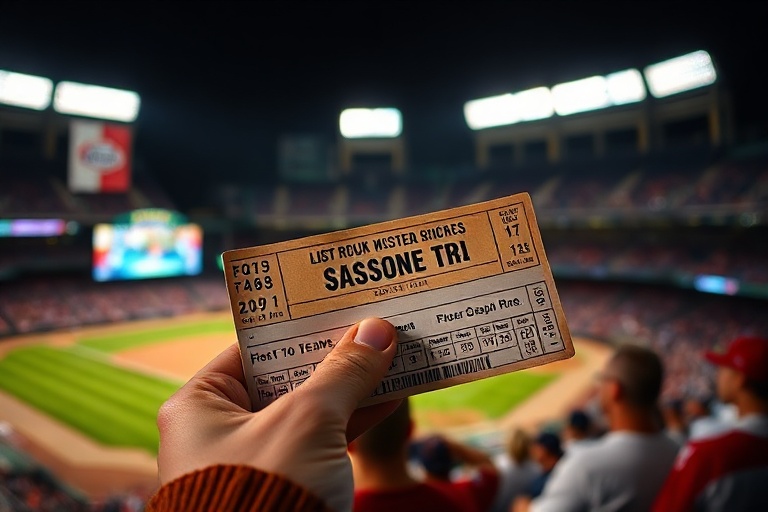
season tickets
Few symbols carry as much weight in entertainment and sports as the season ticket. More than just a pass to events, these annual commitments represent a deeper relationship between organizations and their most dedicated fans. The practice dates back over a century in professional sports, but today it has evolved into a sophisticated economic model that shapes how venues, teams, and artists engage with audiences.
The concept is simple: for a single upfront payment, fans gain access to every home game, concert, or performance in a season. In return, organizations secure financial stability, guaranteed attendance, and a built-in marketing base. Yet beneath this transaction lies a complex ecosystem of incentives, challenges, and cultural shifts that define modern fandom.
The Evolution of Season Tickets: From Tradition to Innovation
Season tickets emerged in the late 19th century as baseball teams sought to stabilize revenue between games. The strategy was straightforward—offer season-long access at a discounted rate to attract local supporters who would otherwise attend sporadically. This model proved so effective that it spread across professional sports and eventually into music, theater, and other live events.
For decades, season ticket holders were seen as the backbone of a franchise. They filled seats, created atmosphere, and provided financial predictability. But as ticket prices rose and alternative viewing options emerged, the value proposition began to shift. Teams responded by introducing tiered pricing, flexible packages, and digital perks to keep the model relevant.
Today, season tickets are no longer just about access—they’re about experience. Many organizations now bundle perks like exclusive pre-sale opportunities, behind-the-scenes tours, and merchandise discounts. Some even integrate fan data to personalize interactions, using AI to recommend upgrades or special events based on past attendance.
The Psychology Behind the Purchase
Buying a season ticket isn’t just a financial decision—it’s an emotional one. Fans often describe the purchase as a commitment to their identity. Supporting a team or artist for an entire season reinforces a sense of belonging, turning casual spectators into invested participants. This psychological attachment is why season ticket holders tend to be more vocal advocates, defending their teams in bad seasons and promoting them in good ones.
Yet the decision to buy season tickets is increasingly scrutinized. With streaming services, fantasy sports, and social media offering constant engagement without the commitment, organizations must justify the upfront cost. They do this through enhanced experiences: meet-and-greets, player Q&As, and even virtual reality pre-game shows. The goal is to make the season ticket feel less like a transaction and more like a membership in an exclusive club.
The Economic Engine of Live Entertainment
For venues and teams, season tickets are a financial lifeline. They provide upfront capital that funds operations, player salaries, and infrastructure improvements. In the NFL, for example, season ticket revenue can account for up to 40% of a team’s total ticket sales. This predictability allows franchises to take risks—signing long-term contracts or investing in new stadiums—without fear of empty seats.
But the model isn’t without risks. Teams must balance the desire for guaranteed revenue with the need to attract new fans. Overpricing season tickets can alienate younger audiences, while underpricing devalues the offering. Many organizations now use dynamic pricing, adjusting costs based on demand, opponent strength, and market trends.
The secondary market adds another layer of complexity. Sites like StubHub and SeatGeek allow fans to resell unused tickets, but this can undermine the primary value of season tickets. Teams have responded by limiting resale options or offering buyback guarantees to protect their most loyal customers.
Key Considerations Before Committing
Before purchasing, fans should weigh several factors to determine if a season ticket is worth the investment. Consider these points:
- Schedule Flexibility: Can you attend most events, or will conflicts arise?
- Price vs. Value: Does the per-game cost compare favorably to single-ticket purchases?
- Exclusive Perks: Are the added benefits (parking, merchandise, experiences) meaningful to you?
- Resale Options: If plans change, can you recoup some costs?
- Fan Experience: Will the venue or team enhance your enjoyment with special events?
The Future of Season Tickets: Digital Integration and Fan Empowerment
The next frontier for season tickets lies in digital innovation. Mobile apps now serve as all-in-one hubs, allowing fans to manage their tickets, access exclusive content, and even vote on in-game decisions. Some teams are experimenting with blockchain-based tickets to combat fraud and enable seamless transfers between fans.
Artificial intelligence is also playing a role. By analyzing attendance patterns, teams can offer personalized incentives—such as discounted upgrades or surprise meet-and-greets—to boost engagement. This data-driven approach turns season tickets into a dynamic tool for building loyalty rather than a static product.
Yet challenges remain. As live events face competition from virtual experiences, organizations must find ways to make season tickets feel indispensable. Some are exploring hybrid models, offering virtual watch parties or augmented reality features that blend digital and in-person attendance. Others are rethinking the traditional season structure, introducing shorter “mini-plan” options for casual fans.
Conclusion: A Model Built on Loyalty and Adaptation
Season tickets represent one of the oldest and most enduring strategies in live entertainment. They reward loyalty, foster community, and provide financial stability for organizations. But in an era of rapid change, their future depends on adaptability. Teams and artists must balance tradition with innovation, ensuring that season tickets remain a symbol of commitment rather than a relic of the past.
For fans, the decision to buy season tickets is a personal one. It’s about weighing convenience, cost, and passion. But when done right, it’s more than a purchase—it’s an investment in belonging. As long as live events continue to captivate audiences, season tickets will remain a cornerstone of the entertainment economy.
For those considering the leap, the advice is simple: do your research, compare your options, and choose an experience that aligns with your interests. Whether it’s a stadium filled with thousands or a small venue buzzing with energy, season tickets offer a unique way to engage with the things you love.
Explore more about live entertainment trends and fan experiences on Dave’s Locker Entertainment and Sports categories.