Season Tickets: Why Fans Still Buy Them in a Digital Age
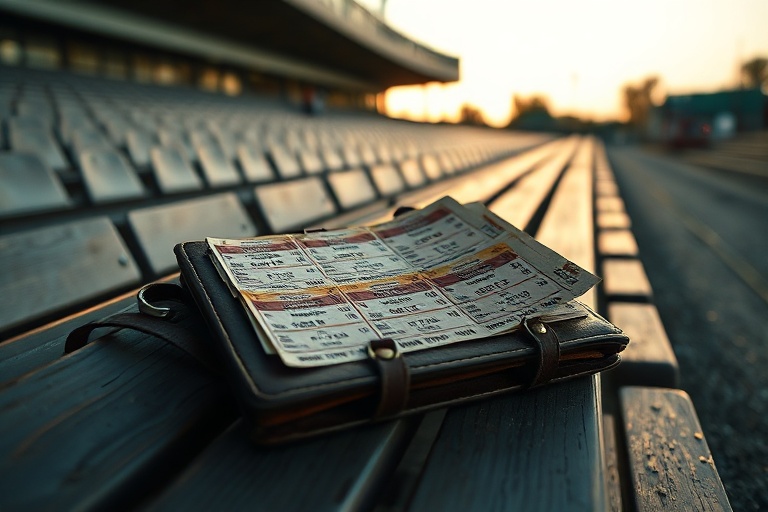
Few rituals connect fans to their favorite teams and performers as powerfully as holding a season ticket. More than just a pass to events, these tickets represent a commitment—a year-long promise to return to the same seats, share the experience with fellow enthusiasts, and become part of a living tradition that transcends generations. From baseball parks in Japan to opera houses in Italy, season tickets are woven into the fabric of global culture, offering benefits that go far beyond simple admission.
The History and Evolution of Season Tickets
The concept of season tickets dates back to the 19th century, emerging alongside professional sports leagues in the United States. Baseball’s National League, founded in 1876, was among the first to adopt the practice, recognizing that loyal fans deserved a better deal than single-game purchases. By the early 20th century, season tickets had become a staple in college football and later spread to hockey, basketball, and soccer. The model was simple but effective: reward consistency with exclusivity.
In Europe, the tradition took on a different hue. Opera and classical music venues like La Scala in Milan and the Royal Opera House in London began offering seasonal subscriptions in the 18th and 19th centuries. These weren’t just tickets—they were social contracts. Patrons committed to attending a full season, reinforcing the prestige of high culture and ensuring financial stability for institutions. Today, season ticket holders at the Metropolitan Opera in New York are still called “subscribers,” a nod to this centuries-old tradition.
As global entertainment expanded, so did the reach of season tickets. In Japan, baseball season tickets are a cultural institution, with fans often passing them down through families. In South Korea, K-pop concerts and soccer matches rely heavily on season ticket systems to maintain fan engagement and manage demand during peak touring seasons. Even in emerging markets like India, where the Indian Premier League (IPL) has grown rapidly, season tickets have become a status symbol, with corporate boxes and premium seating driving revenue and loyalty.
Why Fans Still Choose Season Tickets
The modern fan has more entertainment options than ever—streaming services, podcasts, virtual reality—but season ticket sales remain remarkably resilient. One key reason is value. Most sports teams and cultural organizations offer significant discounts for bulk purchases, sometimes up to 50% off per game. For a family of four attending every home game of a soccer season, the savings can easily cover the cost of a vacation.
Beyond savings, season ticket holders gain access to perks that single-game buyers can only dream of. These often include:
- Exclusive pre-sale access to high-demand events
- Priority parking and seating upgrades
- Invitations to members-only events, meet-and-greets, and behind-the-scenes tours
- Merchandise discounts and early releases
- Guaranteed seats, even during playoffs or sold-out shows
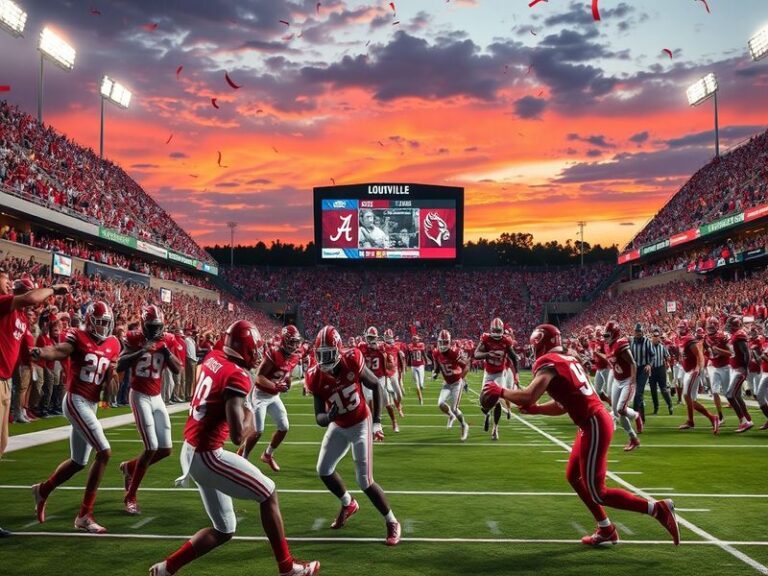
There’s also an intangible reward: belonging. Season ticket holders form communities. They share rituals—tailgating before games, pre-show dinners, or post-concert drinks. In cities like Boston, season ticket holders for the Red Sox are known as the “Green Monster faithful,” united by their devotion to Fenway Park’s iconic left-field wall. Similarly, in Liverpool, Everton FC season ticket holders pride themselves on their unwavering presence at Goodison Park, even as the club transitions to a new stadium.
Psychologists note that commitment breeds loyalty. Once someone invests in a season, they’re more likely to attend regularly, reinforcing their identity as a fan. This psychological loop creates a virtuous cycle—higher attendance boosts team morale, enhances the live experience, and strengthens the bond between performer and audience.
Global Variations: How Different Cultures Approach Season Tickets
While the core idea of season tickets remains consistent, cultural attitudes shape how they’re marketed and used. In the United States, especially in the NFL and NBA, season tickets are often tied to corporate hospitality. Companies buy blocks of seats not just for employees, but as networking tools. The suite experience—with catering, Wi-Fi, and private restrooms—is as much about business as it is about fandom.
In Europe, soccer season tickets are less about corporate privilege and more about community. Clubs like FC Barcelona and Bayern Munich treat season ticket holders as stakeholders. Many clubs offer “socio” or membership models, where fans pay annual dues in exchange for tickets, voting rights, and access to club-owned facilities. This democratic approach aligns with the socialist roots of European football culture and helps maintain fan ownership structures, even in modern times.
In Japan, the relationship is almost sacred. Baseball season tickets are often purchased decades in advance, with waiting lists stretching years. Fans treat their seats with reverence, arriving early to clean the stadium, cheer loudly, and even bring homemade bento boxes. The ritual of the “oyakodomo” (parent-and-child) section, where families sit together, reflects the deep intergenerational ties that season tickets foster.
Meanwhile, in Latin America, season ticket culture is intense but often informal. In Argentina, Boca Juniors and River Plate fans queue for hours, sometimes days, to renew their memberships. The tickets aren’t just for games—they’re for the experience of being part of the “hinchada” (ultra fan group), where chants, drums, and choreographed displays create an electric atmosphere unique to the region.
The Future of Season Tickets in a Digital World
As streaming platforms and augmented reality blur the lines between live and digital experiences, some question whether season tickets will survive. Yet, the data tells a different story. The NFL, for instance, reported a 98% renewal rate for season tickets in 2023. Even in music, where festival culture has surged, artists like Taylor Swift and Beyoncé continue to sell out entire stadiums with season-style tours, offering multi-show packages that fans snap up within minutes.
Technology is also reshaping the experience. Digital ticketing, mobile apps, and AI-driven seat recommendations make it easier than ever to manage a season pass. Some teams now offer “flex plans,” where fans can choose which games to attend, blending the benefits of season tickets with the flexibility of single-game purchases. Blockchain-based ticketing systems are being tested to prevent scalping and ensure fair distribution, which could restore confidence in the model.
Yet, challenges remain. Rising ticket prices, stadium renovations that displace loyal fans, and the growing influence of secondary markets (like StubHub) have eroded some of the goodwill season tickets once enjoyed. Younger fans, raised on algorithmic personalization, may not feel the same loyalty to a fixed schedule. Clubs and organizations are responding by introducing tiered memberships, digital fan tokens, and even gamified loyalty programs to keep engagement high.
One promising trend is the integration of social impact. Many teams now tie season ticket benefits to community service—discounts for volunteers, access to charity events, or partnerships with local schools. This shift aligns with a global movement toward ethical consumption, where fans want their spending to reflect their values.
Conclusion: More Than a Ticket
Season tickets are more than a financial transaction. They are a commitment to ritual, to community, and to the idea that some experiences are best shared over time. In an era of instant gratification, they demand patience—but they also deliver something irreplaceable: the joy of anticipation, the thrill of consistency, and the pride of belonging.
Whether it’s the crack of a bat at Wrigley Field, the swell of a chorus at La Scala, or the synchronized chants at Buenos Aires’ Bombonera, season tickets connect us to something larger than ourselves. They remind us that great art, music, and sport are not just consumed—they are lived.
As long as there are stages, fields, and arenas where people gather to celebrate, the tradition of the season ticket will endure. It’s not just about getting in—it’s about being part of the story.