What Is the Starbucks Tropical Butterfly Refresher?
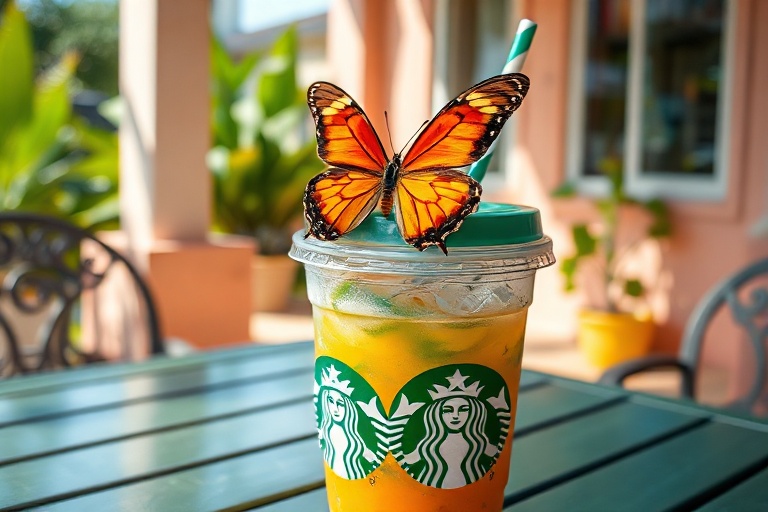
The Starbucks Tropical Butterfly Refresher burst onto the scene as part of the brand’s vibrant lineup of iced beverages designed to capture the essence of tropical destinations. Introduced in 2021, this drink features a blend of green coffee extract, tropical fruit flavors, and real butterfly pea flower tea, giving it a striking blue hue that shifts to purple when citrus is added. It’s served over ice with a splash of lemonade and topped with freeze-dried strawberries, creating a visual and taste experience that feels like a mini-vacation in a cup.
The drink was developed as part of Starbucks’ Refreshers series, which focuses on natural energy without the crash of traditional caffeine sources. The Tropical Butterfly Refresher specifically leans into floral and fruity notes, targeting consumers seeking refreshing, photogenic beverages during warm months. Its Instagram-friendly appearance made it a social media darling, especially among Gen Z and millennial audiences.
A Global Phenomenon with Local Adaptations
While the core recipe remains consistent across most markets, Starbucks has adapted the Tropical Butterfly Refresher to fit regional tastes and ingredient availability. In Japan, for example, the drink was rebranded as the “Tropical Butterfly Refresher with Sakura” during cherry blossom season, incorporating subtle floral elements to align with local traditions. Meanwhile, in parts of Southeast Asia, coconut water was used as a base in some locations, reflecting the region’s preference for creamy, hydrating beverages.
In Europe, Starbucks introduced a lighter version of the drink with lower sugar content to cater to health-conscious consumers. The response was telling: in Spain and Italy, where coffee culture runs deep, the Tropical Butterfly Refresher was often ordered as a mid-afternoon pick-me-up rather than a summer treat. This flexibility speaks to the drink’s universal appeal—it transcends borders while adapting to local palates.
Even the butterfly pea flower, the drink’s namesake, has cultural significance in several regions. In Thailand and Malaysia, the flower is used in traditional herbal teas and desserts, so its inclusion in a Starbucks beverage resonated deeply with Southeast Asian customers. This connection speaks to Starbucks’ strategy of incorporating local ingredients into global products, a tactic that builds both authenticity and market penetration.
Why It Succeeded Where Others Didn’t
The Tropical Butterfly Refresher wasn’t the first colorful beverage to hit the market, but it distinguished itself through a combination of aesthetics, marketing, and strategic timing. Unlike many seasonal drinks that fade into obscurity after a few months, this refresher enjoyed a surprisingly long lifecycle—returning annually with minor tweaks. Its success can be attributed to several key factors:
- Visual Appeal: The drink’s color transformation when lemonade is added made it highly shareable on social media. Platforms like TikTok and Instagram saw thousands of posts under hashtags like #ButterflyRefresher and #StarbucksMagic. The drink’s aesthetic aligned perfectly with the era of “aesthetic drinks,” where presentation often trumps taste for younger consumers.
- Health-Conscious Positioning: Starbucks marketed the Tropical Butterfly Refresher as a “clean” energy drink, with no artificial colors or preservatives. The butterfly pea flower itself is rich in antioxidants, adding a functional health angle that appealed to wellness-focused drinkers.
- Affordability and Accessibility: At around $4 to $5 per cup (depending on location), the drink was priced competitively against other specialty iced beverages. Its availability in most stores year-round—unlike limited-edition seasonal items—also contributed to its sustained popularity.
- Versatility: Customers could customize the drink with different milks, sugar levels, or additional flavors, making it adaptable to individual preferences. The option to turn it into a Frappuccino or an iced coffee further extended its appeal.
Starbucks’ ability to blend novelty with familiarity proved crucial. The drink felt new and exciting, yet it retained the comforting reliability of a Starbucks staple. This balance is rare in the fast-paced world of food and beverage trends, where novelty often fades as quickly as it arrives.
The Cultural Impact of the Tropical Butterfly Refresher
The Tropical Butterfly Refresher’s influence extended beyond Starbucks stores. It became a symbol of the broader shift in beverage culture, where drinks are increasingly treated as collectible experiences rather than mere refreshments. The act of ordering the drink—waiting for the barista to hand it over, watching the color change, and snapping a photo—became part of the ritual, much like the seasonal pumpkin spice latte or the Unicorn Frappuccino of 2017.
In some cities, the drink even inspired pop-up events. In Los Angeles, a Starbucks Reserve location hosted a “Tropical Butterfly Refresher Tasting Flight,” offering variations with different citrus juices and milk alternatives. In Seoul, a limited-time collaboration with a local K-pop artist featured custom cups and a branded hashtag challenge, driving foot traffic and social engagement.
The drink also sparked conversations about sustainability. Starbucks faced scrutiny over the plastic cups used for the refresher, prompting the company to introduce a reusable cup discount for the beverage in certain markets. This move reflected growing consumer demand for eco-conscious practices, even in indulgent treats.
Moreover, the Tropical Butterfly Refresher became a staple in office culture. Its bright color and refreshing taste made it a popular choice for afternoon meetings or post-lunch energy boosts. In corporate settings, the drink was often associated with productivity and creativity, further embedding it into the daily routines of professionals.
A Look Ahead: What’s Next for the Tropical Butterfly Refresher?
As of 2024, the Tropical Butterfly Refresher remains a permanent fixture on Starbucks’ menu, a testament to its enduring popularity. However, the company continues to innovate around the concept. Rumors have circulated about a potential carbonated version, similar to Starbucks’ recent launch of its Sparkling Refreshers line. There’s also speculation about a spicy variant, inspired by global trends in flavored beverages that incorporate chili or pepper notes.
Starbucks’ approach to the Tropical Butterfly Refresher also hints at a larger strategy: leveraging floral and functional ingredients in future products. The success of this drink has likely influenced decisions to introduce other herbal-based beverages, such as lavender lattes or matcha-mango blends. The key takeaway is that consumers are increasingly drawn to drinks that offer more than just flavor—they want experiences, health benefits, and Instagram-worthy moments.
For now, the Tropical Butterfly Refresher stands as a cultural touchstone, a drink that bridged the gap between global branding and local adaptation. It proved that even in a market saturated with options, there’s always room for a beverage that surprises, delights, and adapts.